
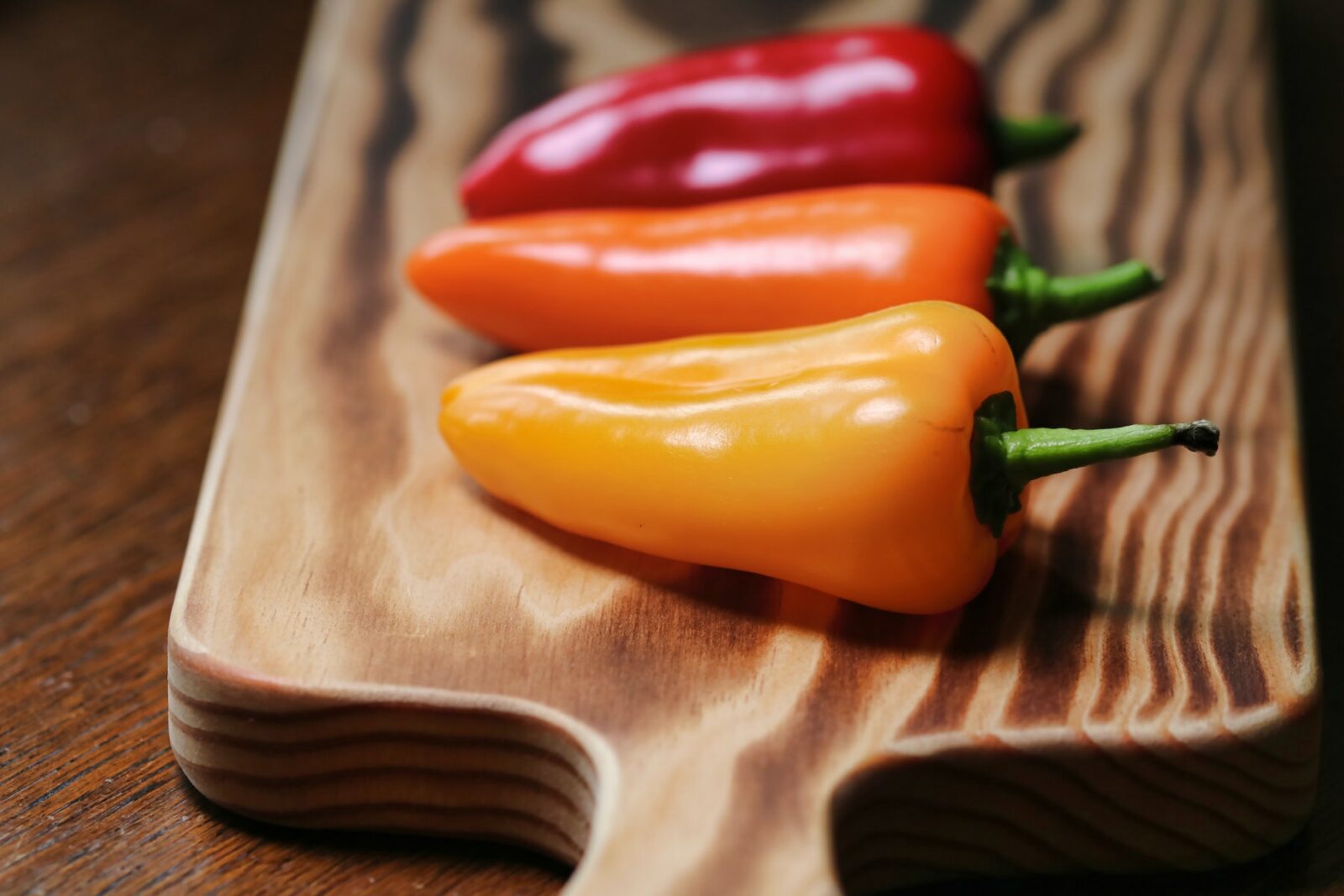
Bell peppers are incredibly versatile vegetables that can be enjoyed worldwide. They can be sautéed with onions for a delicious flavor, added to salads, soups, and casseroles, or even stuffed and lightly grilled. Another option is to include them in a simple and tasty dip or enjoy them sliced for a refreshing, flavorful, and crunchy snack.
Unlike some other peppers, bell peppers are not known for their spiciness. Red bell peppers tend to be sweeter, along with certain varieties of yellow and orange peppers. The level of heat in peppers is measured using Scoville heat units (SHU). While green, yellow, and red bell peppers score a zero on the scale, jalapeño peppers range from 3,500 to 8,000 SHU, and habañeros reach 150,000 to 300,000 SHU. Additionally, there are other peppers such as banana, shishito, cayenne, and serrano that can add both flavor and color to your dishes.
When it comes to health benefits, bell peppers are packed with essential vitamins and minerals. Regular consumption of vitamin C-rich foods like bell peppers, which can contain over twice the amount of vitamin C found in an orange, can help protect against scurvy, boost the immune system, reduce inflammation, lower the risk of heart disease, and act as antioxidants by scavenging harmful free radicals in the body. Bell peppers also provide thiamin (vitamin B1), niacin (vitamin B3), folate, magnesium, and potassium, contributing to overall health.
A study published in the Journal of Food Composition and Analysis revealed that bell peppers, which are rich in vitamin K, may aid in the synthesis of certain proteins that positively affect blood coagulation. Vitamin K may also play a role in protecting bones against osteoporosis. Interestingly, sautéed peppers have higher levels of vitamin K compared to raw peppers.
While the health benefits of bell peppers are numerous, it’s important to note that they belong to the nightshade plant family, which includes eggplants and potatoes. Bell peppers also contain lectins, plant proteins that can bind to cell membranes. These lectins are considered antinutrients and may resist digestion, disrupt the balance of gut bacteria, trigger inflammation, increase the risk of abnormal clotting, and potentially contribute to leptin resistance. However, reducing the lectin content in bell peppers can be achieved by removing the seeds and washing them before cooking, as the seeds and skin tend to have higher concentrations of these antinutrients.
For more detailed information on the nutritional content of sweet red bell peppers, one of the most commonly used varieties, please refer to the table below:
Various studies have been conducted on bell peppers to explore their nutritional composition. Researchers found that all bell peppers contain phenolic compounds, ascorbic acid, and carotenoids, which possess antioxidant properties. Green peppers exhibited the highest phenolic activity but had fewer carotenoids compared to red and yellow peppers. Red peppers were found to have the highest content of ascorbic acid