
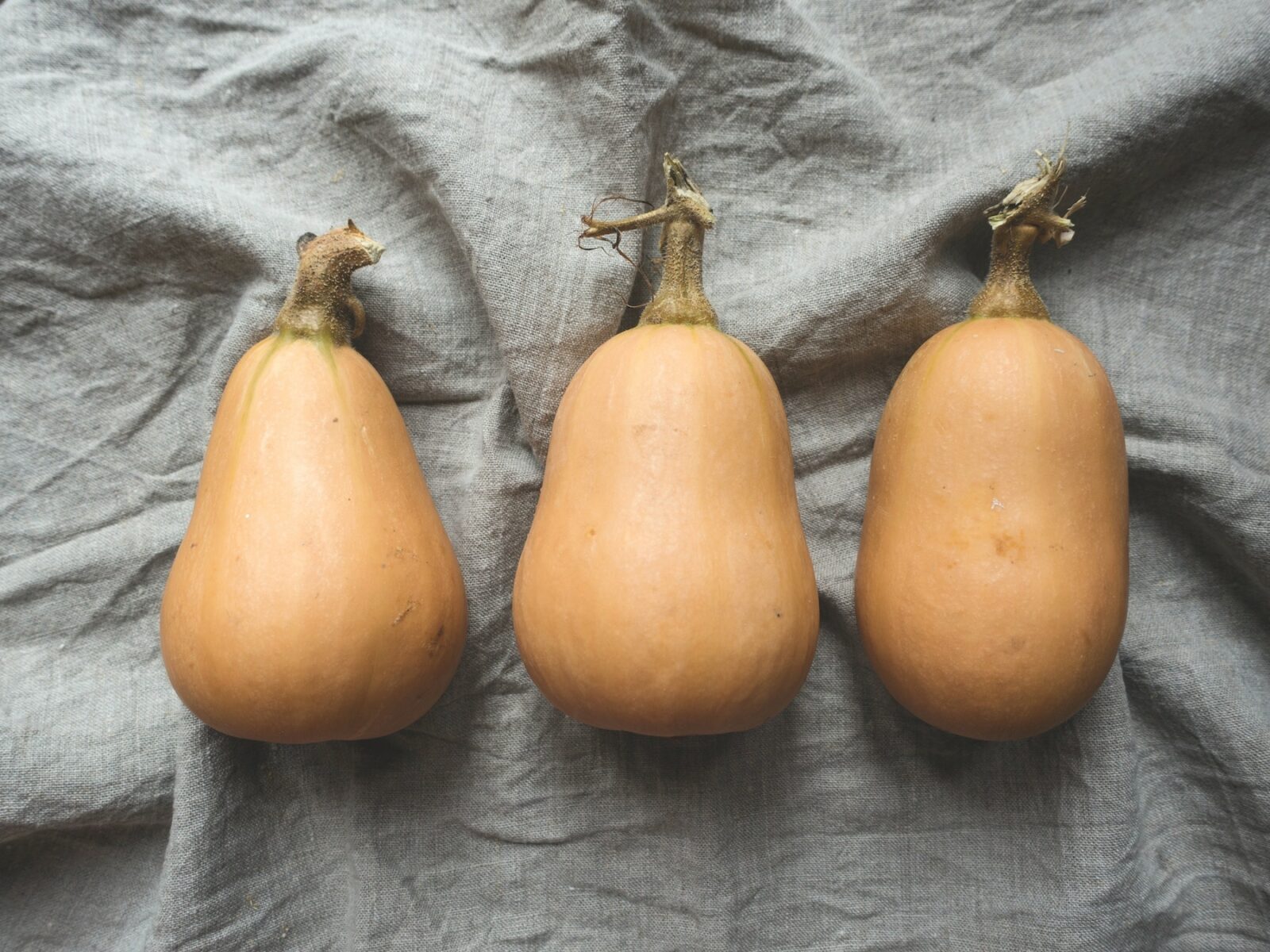
Spaghetti squash is a variety of winter squash that bears a striking resemblance to spaghetti noodles when cooked, hence its name. It has a cylindrical shape, measuring approximately 12 inches long and 6 inches in diameter, with a weight ranging between 2 and 3 pounds.
While spaghetti squash doesn’t taste identical to pasta, its mild flavor and noodle-like texture still make it an excellent accompaniment for a wide range of flavorful sauces like marinara and curry. It can also be incorporated into various dishes, such as soups and stews.
When purchasing spaghetti squash, opt for one that has a firm rind without any bruises or soft spots. The rind’s color may vary from creamy white to pale yellow or orange, with some displaying patterns. Orange-colored squash is preferable due to its higher beta-carotene content. You can store spaghetti squash at room temperature for up to three weeks.
Health advantages of spaghetti squash
Spaghetti squash provides valuable B vitamins, including riboflavin, niacin, pyridoxine, and pantothenic acid, which serve as critical factors for neuronal function, neurotransmitter synthesis, and various cellular metabolic pathways.
This vibrant vegetable also contains folate, a vitamin that supports cell formation, development, and may help reduce the risk of birth defects, making it an ideal food for pregnant women. Folate also aids in homocysteine metabolism and promotes cardiovascular health.
Potassium, an essential mineral for proper muscle and nerve function, is present in spaghetti squash, making it beneficial for individuals with high blood pressure. Additionally, this squash contains manganese, a mineral that contributes to bone and tissue health, metabolism, and immune response.
Furthermore, spaghetti squash contains essential minerals like calcium, iron, phosphorus, and zinc. Refer to the table below for more details on its nutritional value.
Research on spaghetti squash
A study published in the International Journal of Science and Research investigated the antimicrobial activity of spaghetti squash seed extract in different solvents. The study found that it may help inhibit bacterial strains such as Pseudomonas aeruginosa, Proteus vulgaris, Staphylococcus aureus, and E. coli.
The results indicated that the antimicrobial efficacy of spaghetti squash extract could vary based on the species, strains, and concentrations of the extract. The researchers concluded that the seed extract of spaghetti squash contains potential antimicrobial components that could be beneficial as a therapeutic agent against various diseases.