
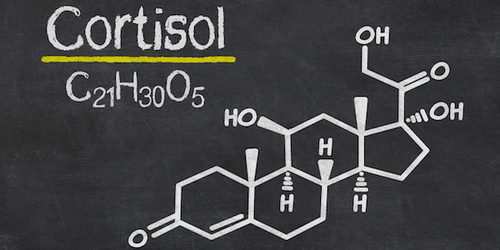
Cortisol is an essential hormone. You would not survive without it, and it has many critical functions in your body including:
- Regulating the immune system
- Suppressing inflammation
- Regulating bone density and metabolism
- Controlling the stress response
- Regulating sleep and wakefulness
- Helping to balance other hormones
- Managing glucose
Your body needs cortisol when you’re stressed. However, chronically elevated cortisol levels can be harmful. For ideal health, you don’t want to remain in a state of elevated stress, whether it’s physical stress, emotional stress, or environmental stress. Chronic stress inhibits the brain’s ability to respond and results in low cortisol levels.
Cortisol testing
To determine if you have a relative cortisol excess or deficiency, you need to do some form of cortisol testing. The ideal test for cortisol is a salivary cortisol level test that you can do at home, which checks levels throughout the day and night to see how your cortisol is fluctuating. Blood testing, typically done either first thing in the morning or in the evening, is done by an endocrinologist or someone who specializes in hormones in order to diagnose Addison’s disease or Cushing’s disease. This is sometimes a first screening test to look for a cortisol issue, but if this is normal, then a deeper dive into salivary testing may be ordered.
Relative cortisol deficiency
Let’s first look at relative cortisol deficiency, or hypocortisolism, often referred to as adrenal fatigue. The adrenal glands do not actually become fatigued, they keep on working. Insufficient cortisol is produced because of an issue with the hypothalamus, which communicates with the pituitary, which then communicates with the adrenal glands. This is HPA (hypothalamus, pituitary, adrenal) axis dysregulation. It’s key to remember that this is a brain-based issue.
The exceptions are Cushing’s or Addison’s disease, which are rare. Cushing’s disease occurs when tumors or cortisol-secreting glands produce excess cortisol. Addison’s disease is the opposite: the adrenals stop producing cortisol. This is typically due to an autoimmune process.
Causes of cortisol deficiency
What types of things can stress the brain and cause the adrenal glands to not produce enough cortisol?
- Chronic stress
- Chronic infections
- Immune issues
- Dental infections
- Chronic Lyme disease
- Excessive alcohol
- Drug exposure
- Allergies
- Gut dysbiosis
- Inflammation
- Reactions to mold exposure
Chronic stress may be physical, environmental, or emotional stress. Examples include stress at work, stress from toxic relationships, or toxins in the environment. These issues can result in cortisol deficiency, chronic pain, depression, poor sleep, and adrenal fatigue.
Symptoms of relative cortisol deficiency (HPA Axis Dysregulation)
These symptoms can occur due to relative cortisol deficiency:
- Gut issues
- Digestive problems
- Increased tendency to look for stimulation through alcohol, drugs, Adderall, caffeine, etc.
- Allergy symptoms
- Decreased immunity
- Low libido
- Feelings of overwhelm
- Low glucose issues (hypoglycemia)
- Premenstrual syndrome (PMS)
- Perimenopausal symptoms
- Decreased stamina
- Lack of motivation
- Low blood pressure
- Poor healing
- Unresponsive thyroid
Many of these symptoms can overlap with other hormonal issues like low estrogen or other low hormone levels.
Diseases affected by cortisol
There are a number of diseases that are affected by cortisol dysregulation, including:
- Heart disease
- Depression
- Multiple sclerosis
- Fibromyalgia
- Infertility
- Polycystic ovarian syndrome (PCOS)
- Anorexia
- Breast cancer
- Chronic fatigue syndrome
- Irritable Bowel Syndrome
- IBS menopause
- Male low testosterone (known as andropause)
- Osteoporosis or osteopenia
- Post-traumatic stress disorder (PTSD)
- Rheumatoid arthritis
- Sleep disorders
All of these can be exacerbated by cortisol that is too high or too low. Addressing imbalanced cortisol levels can often help reduce the symptoms of these diseases. It is possible that a cortisol imbalance is the root cause of these diseases.
Addressing low cortisol
How do you address low cortisol therapeutically? First, look for the root cause. Work closely with your functional medicine doctor. Treating the HPA brain axis issue is important as well. Potential root causes could be:
- Environmental toxins
- Mold in the environment
- Chronic infections (e.g. Lyme)
- Undiagnosed sleep apnea
- Nutritional deficiencies
- Gut issues
Nutrients that can help include:
- Vitamin C
- B vitamins
- Magnesium
- Zinc
- Selenium
- Copper
- Manganese
Make stress reduction a top priority
Stress reduction is a key component in cortisol dysfunction and is probably the most difficult thing to address. Meditation, prayer, time spent in nature, regular gentle exercise, yoga, time spent with loved ones and/or pets, reprioritizing work or relationship demands, more focus on time management, removing toxic relationships, time spent in the flow state, and positive social interaction are just a few things to consider as a starting point.
Consider adaptogenic herbs to address stress
Adaptogenic herbs help your body adapt. If your cortisol is balanced, adaptogens don’t affect cortisol much. If it’s elevated, they tend to bring it down. If it’s low, they tend to bring it up. Adaptogenic herbs were actually used by elite athletes in the 1960s and 70s to increase their exercise resilience and improve performance. Adaptogens include ashwagandha, Panax ginseng, Rhodiola rosea, and cordyceps sinensis. For stress symptoms, calming herbs can also be used.
Other ways to address low cortisol:
If cortisol levels are really low, adrenal extracts or licorice might be considered. Be sure to consult with your doctor because these will actually boost cortisol, may increase blood pressure, and could cause other medical issues. Adrenal extracts and licorice should only be used for low cortisol under the supervision of a licensed healthcare practitioner.
Elevated cortisol levels
Now let’s take a look at elevated cortisol levels. Sometimes this is referred to stage one or stage two adrenal fatigue or adrenal dysfunction.
Symptoms of elevated cortisol
Signs and symptoms include:
- Binge eating
- Confusion
- Fatigue
- Thyroid symptoms (impaired conversion from T4 to T3)
- Hypertension (high blood pressure)
- Insulin resistance
- Elevated blood sugar levels
- Night sweats
- Elevated triglycerides
- Abnormal cholesterol
- Sleep disturbances
- Muscle weakness
- Compromised immune system
It might surprise you to see fatigue in a list of symptoms of elevated cortisol. But after having chronically elevated cortisol, fatigue can develop. Elevated cortisol can also cause rising glucose levels and thyroid dysfunction. This is one reason cortisol is so important. An excess can impact the other two key hormones (thyroid and insulin) and cause a cascade of effects.
This low-grade hypercortisolism is prevalent in our modern western culture and contributes to many illnesses and diseases. Managing stress needs to be a top priority to reach optimum health.
Supporting your body in reducing excess cortisol
As with low cortisol, there are specific nutrients that your body needs to balance cortisol effectively. Some of these nutrients are vitamin C, B vitamins, calcium, magnesium, zinc, copper, selenium, and manganese. There are also many helpful adaptogenic herbs that we discussed last week such as ashwagandha, Panax ginseng, rhodiola rosea, and cordyceps sinensis.
The most important factor in managing elevated cortisol is stress reduction. This can be in the form of managing physical stress from a poor diet, mental stress from unhealthy relationships, or environmental stress from toxic chemicals or mold. These are just a few examples.
It can also help to work with your health care provider to establish a timeline to understand which symptoms began first. Was it a blood sugar issue that led to thyroid issues, then cortisol issues? Perhaps it was mold exposure or nutritional deficiencies. Invest some time into understanding your own health. This is also where functional medicine comes into play because functional medicine doesn’t just look at the symptoms. It also takes your environment and your history into consideration to help figure out the best way to address your issues.