
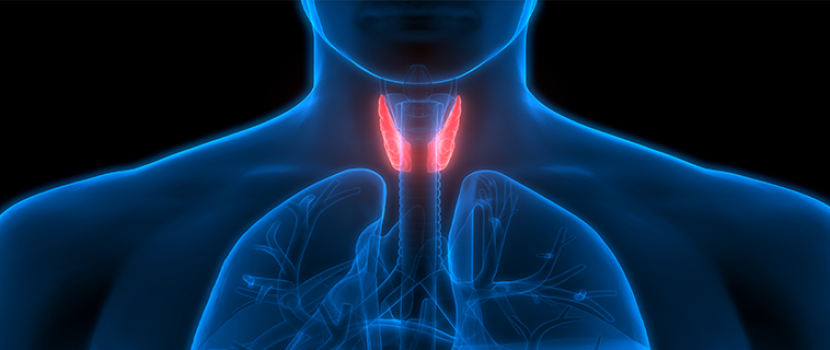
Hashimoto’s thyroiditis is the most common cause of hypothyroidism in youth and adults in the U.S. and developed countries. The Japanese surgeon, Hakaru Hashimoto, discovered the disease in 1912. This autoimmune condition is sometimes referred to as chronic autoimmune thyroiditis or chronic lymphocytic thyroiditis.
Hashimoto’s can affect men and women of any age. However, it primarily affects women at least 10 times more frequently than it affects men. Most women are diagnosed between the ages of 30 and 50.
Hypothyroidism symptoms
The thyroid is a crucial organ in the endocrine system, and it regulates a wide range of body functions. It influences the rate at which every cell, tissue, and organ in the body functions. This includes the bones, brain, GI tract, heart, muscles, and skin. The thyroid secretes hormones that manage metabolism, controlling how quickly and efficiently the cells convert nutrients into energy.
As Hashimoto’s progresses, it damages the thyroid, which causes hypothyroidism. Hypothyroidism is a condition in which the thyroid fails to produce enough hormones to meet the body’s needs. Typically, the thyroid will become enlarged, which inhibits its functioning. As the immune system attacks it, the thyroid continues to increase in size. The enlarged gland may inhibit the ability to swallow or cause a feeling of pressure. The condition may cause goiter in some people resulting in the need to surgically remove the gland.
Hashimoto’s can eventually render the thyroid nonfunctional. Over time, the disease causes the thyroid to shrink rather than grow larger. Without adequate thyroid hormones and a fully functioning thyroid, many bodily functions become sluggish, and your health may decline. This autoimmune condition is associated with common health problems like celiac disease, anemia, and insufficient adrenaline production.
Hashimoto’s and hypothyroidism can affect almost every system in your body. It can cause cardiac issues like a slow heart rate and high blood pressure. It can affect the brain, leading to dementia, impaired coordination, and slow speech. It also leads to exercise-related concerns, such as decreased sweating, lower endurance levels, and muscle cramps and weakness.
Other symptoms and conditions include:
- Apnea
- Brittle nails
- Cold intolerance
- Constipation
- Depression
- Dry skin and other skin issues
- Enlarged tongue
- Fatigue, tiredness, sluggishness
- Hair loss, dry hair, thinning hair
- Heavy or irregular menstrual periods
- High cholesterol
- Hoarse voice
- Joint and muscle pain
- Memory problems
- Nerve issues/neuropathy
- Swelling in the face
- Weight gain
Thyroiditis testing can help diagnose Hashimoto’s
Checking thyroid-stimulating hormone (TSH) levels may not be enough to diagnose Hashimoto’s. However, a complete panel can help determine the health of the thyroid and avoid overlooking Hashimoto’s or any other issue.
In addition to TSH, a full panel will check:
- Antibody levels (TPO and Tg)
- Free T3 (fT3)
- Free T4 (fT4)
- Reverse T3 (rT3)
- Total T4 (thyroxine)
- Total T3 (triiodothyronine)
Diagnosing Hashimoto’s can be challenging. Many patients may be asymptomatic, or they may have symptoms that overlap with other disorders. Therefore, a diagnosis takes careful consideration and may not occur until the disease has progressed.
Keep in mind these important issues when discussing a full thyroid panel with your doctor:
- TSH is only a measure of hormone signaling from the pituitary gland to the thyroid. It doesn’t give an indication of what the thyroid is actually doing.
- The liver converts T4 to T3 (the active form of thyroid hormone). Lab results on these two numbers can indicate if the liver is contributing to thyroid issues.
- When free T3 drops off and reverse T3 increases, it’s an indication that the body is under stress — most likely from toxicity and pathogenic infection.
- Toxins are the biggest cause of elevated thyroid antibodies. Infections are also a major factor.
- When TPO and Tg antibodies are low, it’s reasonable to assume that autoimmune dysfunction is not a factor. Ideally, TPO should be less than 34 and Tg should be less than 0.9.
- If the free T4 and T3 hormone markers are elevated while total T4 and T3 markers are low, there is likely testosterone dominance. If there are high total T4 and T3 markers and low free T4 and T3 markers, there’s probably more of an estrogen dominance.
Lab results can fluctuate. So in the early stages of Hashimoto’s, you may show some signs or symptoms and still have normal lab results. This may occur if the destruction of thyroid cells is sporadic. Hyperthyroidism may occur when the immune system attacks the thyroid as the condition first develops. When the thyroid cells are broken down, they release thyroid hormones into the bloodstream, which gives the appearance of an overactive thyroid. Eventually, however, the signs of hypothyroidism become evident.
Potential causes of Hashimoto’s
Research indicates that autoimmune disorders are likely caused by a combination of problems. Infections, nutrient deficiencies, poor gut health, toxin burden, even dental work may trigger autoimmune disorders.
Let’s take a closer look.
Infections
Bacterial and parasitic infections are a primary reason that people develop autoimmune conditions, including Hashimoto’s disease. Infectious pathogens are thought to play a significant role in causing autoimmune diseases, and some pathogens can worsen already-existing autoimmune conditions. Infections are often cited as a major factor in autoimmune thyroid diseases in general. Research has found a link between Epstein-Barr virus (EBV) and thyroid disease. Other pathogens that have been found in the thyroid gland include herpes, HTLV-1, mumps, and rubella. Studies have yet to determine conclusively whether a pathogenic infection is responsible for thyroiditis.
Nutrient deficiencies
A health and nutrient-dense diet is essential for proper thyroid function. The following nutrients can support the thyroid:
- B vitamins like B6 and B12
- Magnesium
- Protein
- Selenium
- Vitamin A
- Vitamin D
- Vitamin E
- Zinc
Eating foods high in these nutrients can help support thyroid health. However, if you are unable to get the quality and quantity of nutrients from your diet, supplements are an option.
Poor gut health
Chronic stress, food allergies and sensitivities, gut dysbiosis, infections, poor nutrition, and toxic exposure may all lead to leaky gut, which is involved in nearly all autoimmune conditions, including Hashimoto’s. Between 10% and 40% of people with Hashimoto’s also have gastric disorders. Leaky gut occurs when holes or gaps exist along the lining of the gastrointestinal tract, allowing large particles — such as pathogens, toxins, and undigested food to enter the bloodstream. When these particles begin circulating in the body, the immune system mistakes them for foreign invaders and creates antibodies to fight them. This self-attacking immune response can result in autoimmunity and chronic inflammation.
Toxicity
Toxins are in our air, food, homes, personal care products, water, and elsewhere. They are unavoidable and can build up in our bodies. This leads to inflammation and causes our body and its systems to malfunction. As our exposure continues, an excess of toxins can contribute to or cause many ailments. Both biotoxins and environmental toxins are leading contributors to autoimmune diseases and thyroid problems. They can affect proper immune balance, thyroid function, and overall wellness. Such toxins include:
- Candida
- Exposure to electromagnetic fields
- Glyphosate
- Heavy metals
- Lyme disease and other bacterial endotoxins
- Mold mycotoxins
- Parasite toxins and byproducts
- Radioactive elements
Dental work
Dental compounds, such as implants, fillings, and resins, often have toxins, including mercury, nickel, and other heavy metals. When you chew or drink hot beverages, or through normal wear over time, these dental compounds can begin to crack, break, or leak, sending toxins into your mouth. In addition, dental work such as root canals and cavitations (small holes in the jaw, usually where a tooth once was) can become infected and inflamed and spread bacteria and other pathogens. Our blood vessels, glands, and lymph nodes pick up all these toxins and circulate them throughout our body, including to our thyroid. Many people are diagnosed with Hashimoto’s after having had major dental work, such as after filling removal, when many toxins tend to be released.
Treating Hashimoto’s: conventional medicine v functional medicine
Once Hashimoto’s has developed, conventional medicine treats it with thyroid medication that contains synthetic thyroid hormones. Patients on this sort of treatment will likely take these medications once daily for the rest of their lives. Some people may opt to have surgery to remove the thyroid altogether. Conventional medicine views Hashimoto’s disease as a chronic, incurable condition. Doctors see it as an autoimmune disorder without considering its root causes or how to address them.
Functional medicine takes a different approach. A functional approach looks to find the potential causes of hypothyroidism symptoms. Functional medicine also works to restore basic drainage and detox functions, which can help areas such as the thyroid.
There are several ways to support the body’s functioning. Clearing infections and toxins. Bacterial, parasitic infections, and toxins are a main cause of autoimmune conditions. Therefore, clearing these infections can help to heal an autoimmune issue such as Hashimoto’s. A functional medicine approach can help tackle all these types of pathogens and toxins and includes supporting the body’s drainage, detoxification, and immune functions.
There are many types of support such as:
- Binders. Binders work like a strong magnet in the body. They hold on tight to toxins and remove harmful substances from the body via the stools.
- Drainage support. Drainage pathways in the body remove waste. Having these pathways open and free-flowing is critical for healing from infections. Certain herbs and botanicals support toxin removal via the lymphatic system. Also, it’s important to try to ensure that your clients or patients are eliminating toxins regularly through their stools.
- Detox support. The kidneys and liver process the bulk of toxins and send them out via the urine and stools. These organs can benefit from extra support to guarantee their optimal function.
- Minerals. Minerals such as selenium and zinc are necessary for a healthy immune system that effectively fights infections.
- Parasite-fighting support. Parasites are a substantial drain on the immune system. Some also harbor the Lyme bacteria Borrelia and other pathogens. Certain herbs may help remove these parasites.
Healing the gut
Researchers have discovered a “thyroid-gut axis.” That means that a healthy gut can help promote a healthy thyroid. Research indicates that there is a symbiotic relationship between the gut and the immune system. Several methods exist to heal the gut and balance the microbiome. These include:
- Avoiding unnecessary medications
- Binding gut toxins
- Healing infections
- Consuming fermented foods
- Following a healthy diet
- Reducing stress
- Taking a spore-based probiotic
Eating a thyroid-healing diet
Diet plays a critical role in thyroid function. Many people with Hashimoto’s also show signs of celiac disease or non-celiac wheat sensitivity. That suggests that limiting the consumption of wheat may alleviate thyroid problems. Also, the thyroid requires certain nutrients to function, such as copper, iron, vitamin D, and zinc, so eating foods rich in those nutrients could help the thyroid. A diet that supports the thyroid is low in carbohydrates and high in clean protein, healthy fiber and fats, and plant-based nutrients.
Foods to eat to support the thyroid are:
- Apple cider vinegar
- Avocados
- Coconut fat
- Cooked cruciferous vegetables
- Fermented foods
- Lemons and limes
- Olive oil
- Olives
- Organic bone broths
- Organic ghee or butter
- Pasture-raised animal products
- Sea vegetables
- Wild-caught fish
You may benefit from adding dietary aids, foods, or herbs that are plentiful in the following:
- B vitamins found in leafy greens, legumes, liver, meats, organic eggs, and wild-caught salmon
- Magnesium found in green leafy vegetables, nuts, organic dairy, potatoes, quinoa, soybeans, and whole wheat
- Omega-3s found in fish liver oils, nuts, seeds, and wild-caught fish and seafood
- Selenium found in Brazil nuts, organic dairy, pasture-raised organ meats, some plants (if grown in soil with selenium), and wild-caught seafood
- Vitamin A found in broccoli, carrots, spinach, and sweet potatoes
- Vitamin D found in egg yolks, fish liver oils, mushrooms, and wild-caught fish
- Vitamin E found in almonds, avocados, peanuts, and sunflower seeds
- Zinc found in fortified grains, pasture-raised red meats, and some wild-caught seafood
Along with eating to support the thyroid, a diet focused on fighting autoimmunity may also help. An autoimmune-resistant diet includes anti-inflammatory foods, and decreases or eliminates inflammatory foods. To limit inflammation, avoid
- Fried foods
- Lard, margarine, shortening, and trans-fatty acids
- Processed red meat or other processed meats
- Refined carbohydrates
- Soda and other sugary or high-fructose corn syrup beverages
Final thoughts
Hashimoto’s thyroiditis is a chronic autoimmune disease that causes an underactive thyroid and its associated symptoms. As the most common cause of hypothyroidism, Hashimoto’s should be considered if you are experiencing thyroid issues. It’s crucial not to allow the symptoms of thyroid problems, including Hashimoto’s disease, to go unchecked and unaddressed. If you suspect a thyroid issue, talk to your functional medicine doctor today for testing and a proper diagnosis.