
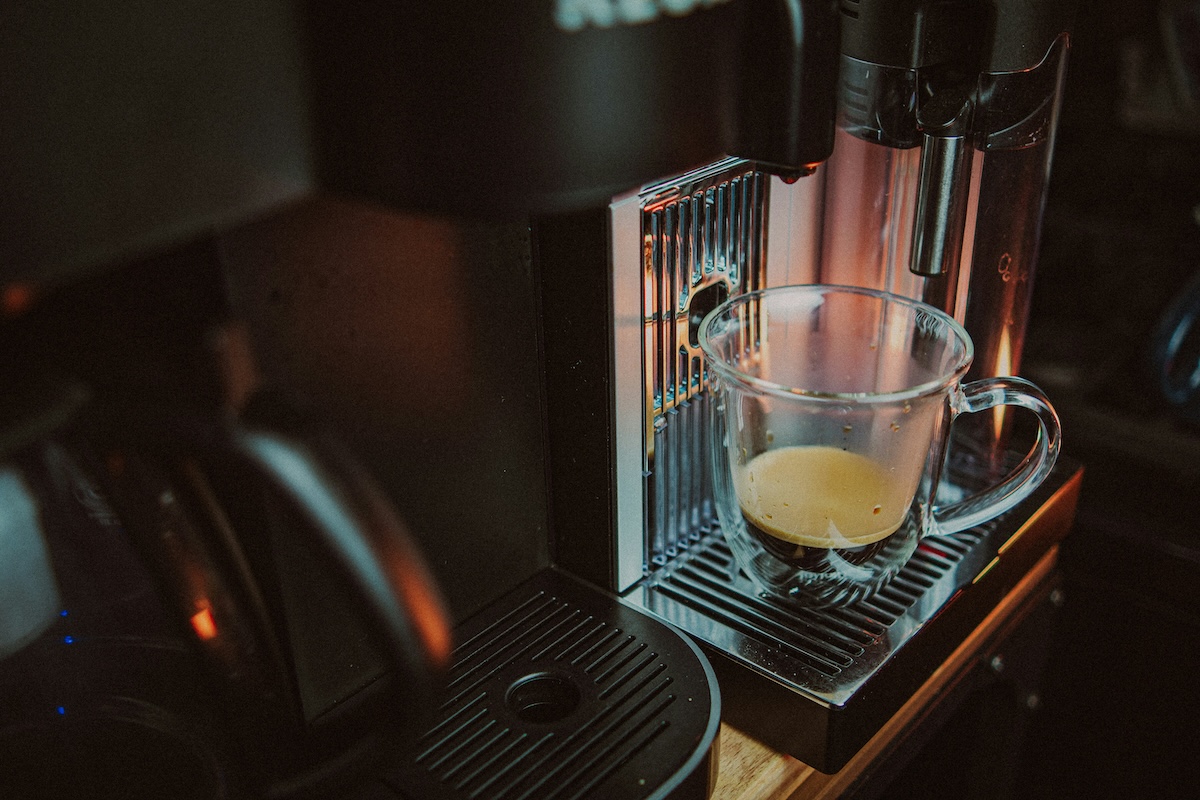
Instant Coffee Convenience: A Double-Edged Sword
Who wouldn’t appreciate the convenience of getting a personal cup of coffee instantly with just a button press? The arrival of Keurig machines in workplaces and waiting rooms is often met with excitement for their convenience and variety. The appeal of having a variety of flavored K Cups at one’s disposal is undeniable.
Lingering Questions and Health Concerns
However, sooner or later, one might start pondering the implications of such convenience. Questions might arise about the freshness of coffee sealed within a K Cup, the potential toxins released as hot water pierces through the plastic, the materials used in the cup and its lid, the chemicals in flavored coffees, and the composition and security of the internal filter.
The Hidden Dangers of Keurig Machines
If you’re a Keurig owner, it’s crucial to be aware of what might lurk within your machine. Despite regular cleaning, the internal tank and rubber tubing of a Keurig cannot be fully drained or cleaned, potentially becoming a breeding ground for mold and bacteria. This hidden moisture can foster the growth of biofilms, similar to the slimy residue found in vases after flowers have wilted.
The Health Risks of Hot Beverages from Keurig
Contrary to what some might believe, the hot water dispensed by a Keurig is not sufficient to eradicate all the microbes that could be thriving inside the machine. Even rigorous cleaning routines might not completely remove the risk of exposure to mold and bacteria.
Environmental and Health Impacts of K Cups
The environmental toll of non-recyclable K Cups is significant, with billions ending up in landfills each year. Moreover, the plastics and materials used in K Cups and their lids might pose additional health risks, including exposure to estrogenic chemicals and aluminum, which have been linked to various health issues.
The Questionable Quality of Coffee and Flavors
The convenience of Keurig might also come at the cost of coffee quality and safety. Flavored K Cups often contain “natural” or artificial flavors, which could be problematic for some individuals, leading to adverse reactions such as nausea, dizziness, or skin rashes.
A Call for Mindfulness and Better Choices
It’s important to consider the quality and impact of your coffee choices, not just for personal health but also for environmental sustainability and the well-being of coffee industry workers. Opting for fresh, quality coffee beans and using more traditional, cleanable brewing methods can enhance your coffee experience while mitigating health and environmental concerns.