
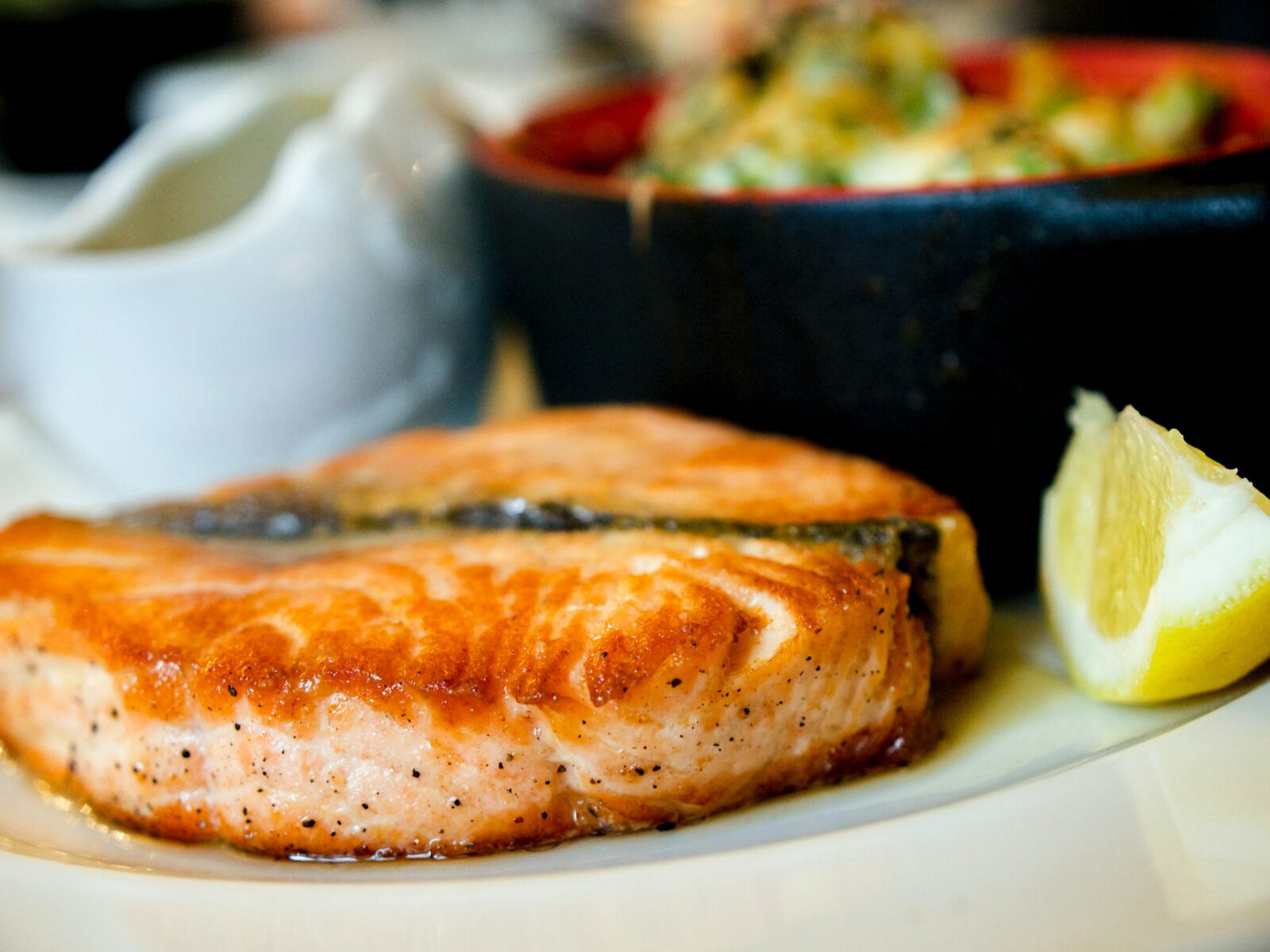
Recent studies have shown that a nutrient found in meat and salmon may reduce the risk of bacterial infections. This news is important due to the questions surrounding excessive antibiotic usage.
Antibiotics transformed health care. Prior to their discovery, the average lifespan was 47 years and infectious diseases like pneumonia were prevalent. Still, antibiotics have some risk. For instance, between 2011 and 2015, there were nearly 70,000 emergency room visits for children who had adverse reactions to antibiotics. That number does not include children who may have been treated for adverse reactions at their doctor’s office, in urgent care, or simply at home.
In addition, bacteria are developing resistance. In 2013, the CDC published their Antibiotic Resistant Threats Report, which found that a minimum of 2 million people experienced antibiotic-resistant infections annually, and approximately 23,000 of those people died from the infections. More recent findings from 2019 suggest that over 2.8 million individuals experienced an antibiotic-resistant infection, and approximately 35,000 of them died.
Therefore, it is key to remain current on non-antibiotic options that may help prevent an infection, including oregano oil, manuka honey, vitamin C delivered by IV, thiamine and hydrocortisone, and taurine found in salmon.
Taurine May Help Fight Bacterial Infections
Researchers from five institutes led by the National Institute of Allergy and Infectious Disease identified one way that your gut microbiota may protect you from bacterial infections. Scientists have known for some time that there are beneficial bacteria. What has not been known is the mechanism by which beneficial bacteria help us.
One study in the journal Cell discovered how pathogens may influence the colonization resistance process to provide protection against bacterial infection. The results suggested that previous infections bolster resistance to new infections in the gut microbiota. This was in relation to changing the bile metabolism by using taurine, which is a sulfonic acid.
The study showed “a process by which the host, triggered by infection, can deploy taurine as a nutrient to nourish and train the microbiota, promoting its resistance to subsequent infection.”
The researchers tested the effect by taking microbiota from an animal with Klebsiella pneumoniae and introducing that microbiota to a germ-free mouse. They discovered the transferred microbiota helped prevent an infection with K. pneumoniae.
The bacteria that helped fight the infection were deltaproteobacteria. The researchers showed that taurine triggered activity in deltaproteobacteria. Taurine produces hydrogen sulfide as a byproduct. The scientists hypothesized that low levels of taurine enabled harmful bacteria to flourish in the gut. Higher levels of taurine produced sufficient hydrogen sulfide to prevent the growth of harmful bacteria. They also discovered that a single mild infection could trigger an adaptation that helped the microbiota resist the next infection.
When the researchers gave the study animals taurine, they found it helped support the microbiota. In addition, they found that feeding them bismuth subsalicylate, which is used in antacids, the protection was decreased because bismuth curbs hydrogen sulfide production.
What Is Taurine?
The full chemical name for taurine is 2-aminoethanesulfonic acid. While it is frequently called an amino acid, it is a conditional compound that your body does not use to create protein. Amino acids have a carboxyl group. Taurine has a sulfide group and is correctly called amino sulfonic acid.
The adult human body can produce taurine. However, infants do not produce amino sulfonic acid and require a diet with ample taurine to support their neurological development.
Taurine plays a role in essential functions such as creating bile salts, regulating calcium, supporting the nervous system, and balancing electrolytes. Taurine deficiency may cause developmental disorders, kidney dysfunction, damage to the retinal nerves, and cardiomyopathy. Amino sulfonic acid is found in high concentration in the central nervous system, skeletal muscles and eyes. Taurine is found in meat and other natural sources including salmon, beef, dairy products, dark chicken meat, and seaweed. A strict vegan diet may lead to a taurine deficiency.
Taurine levels may drop due to liver disease, chemotherapy, cancer, sepsis, surgery, and diabetes.
Taurine Has an Anti-Inflammatory Effect on Your Heart
Taurine is an abundant free amino sulfonic acid and plays a key role in several essential processes including a robust antioxidant activity. Amino sulfonic acid is found in higher concentrations in body tissues exposed to elevated levels of free radicals and oxidants.
This suggests that taurine plays an anti-inflammatory role. The reaction with hypobromous acid produces a byproduct with anti-inflammatory properties. The anti-inflammatory effect produces benefits for the cardiovascular system and has an influence on diabetes.
This system can impact a wide array of cells and tissues. In fact, pharmacological interventions that help manage hypertension, diabetes, and heart failure target this system.
Data reveal that populations that eat more meat than seafood experience higher death rates from heart disease. Seafood is higher in taurine than meat, and it may be that amino sulfonic acid helps protect the cardiovascular system.
Other research has discovered associations between taking taurine supplements and a lower risk of cardiovascular disease in animal models. In addition, researchers have observed direct vasorelaxation after administering taurine to the thoracic aorta in a subject animal.
Some studies have shown that taurine has an anti-apoptotic effect on heart cells under ischemic conditions, which protects the heart cells against a lack of oxygen. This was demonstrated in an animal model when comparing the heart damage with and without taurine supplementation 30 days after a coronary artery occlusion.
One study found that a taurine deficiency reduced ATP generation and inhibited energy metabolism. These findings suggest that a taurine deficiency actually starves the heart of energy.
More Health Benefits From Taurine
Taurine also plays a role in the proper functioning of your skeletal system and muscle performance from a combination of membrane stabilization, osmoregulation, and regulation of intracellular calcium concentrations.
Evidence supports an association between changes in taurine levels within skeletal muscle and conditions such as muscular dystrophy and atrophy. Both animal and human studies have discovered the role taurine plays in the immune system in relation to antioxidant properties that protect tissue against inflammation, which scientists believe “gives support to consider taurine and taurine derivatives as potential drugs in human medicine, including infectious and chronic inflammatory disease.”
Using taurine supplements may also lower the risk of complications due to diabetes, and it may help slow the onset of the condition. The uptake of taurine by pancreatic cells reduced the pancreatic intracellular insulin levels, which suggests that taurine plays a role in regulating the release of insulin and potentially lowering elevated blood glucose levels.
Because taurine plays a crucial role in the production of bile salts, which help break down fatty acids, it is essential to digestion and metabolism. In addition, it is found in high concentrations in the retina. Recent studies demonstrated that taurine deficiency triggered by the antiepileptic drug vigabatrin is involved in the retinal toxicity experienced by patients. This led to another study:
“… suggesting that this compound may be involved in the pathophysiology of glaucoma or diabetic retinopathy. Along with other antioxidant molecules, taurine should therefore be seriously reconsidered as a potential treatment for such retinal diseases.”
In addition, taurine plays a role in the central and peripheral nervous system. A 2017 review published in Birth Defects Research found that supplementation helps to promote the proliferation of brain cells required for long-term memory storage. Lastly, an animal study showed supplementation with taurine may improve Alzheimer-like learning and memory deficits and may play a role in preventing the development of epilepsy and autism.
REFERENCES
- Science Daily, January 15, 2021
- Annals of Ibadan Postgraduate Medicine, 2016;14(2):56
- Journal of the Pediatric Infectious Diseases Society, August 23, 2018 doi.org/10.1093/jpids/piy066
- Centers for Disease Control and Prevention, Antibiotic Resistance Threats in the U.S. 2013
- Lumen Boundless Microbiology, Proteobacteria
- News Medical Life Science, What Is Taurine?
- Molecular Vision, 2012;18:2673
- News Medical Life Science, What Is Taurine? Physiological Functions
- American Journal of Clinical Nutrition, 1992;55(3)
- European Journal of Pharmacology, 2008;581
- Clinical Nutrition, 1997;16(3)
- American Journal of Clinical Nutrition, 1995;61(5)
- Amino Acids, 2014;46:7
- Journal of Translational Medicine, 2015;13:243
- Progress in Retinal and Eye Research, 2014;41:44
- Birth Defects Research, 2017;109(20)