
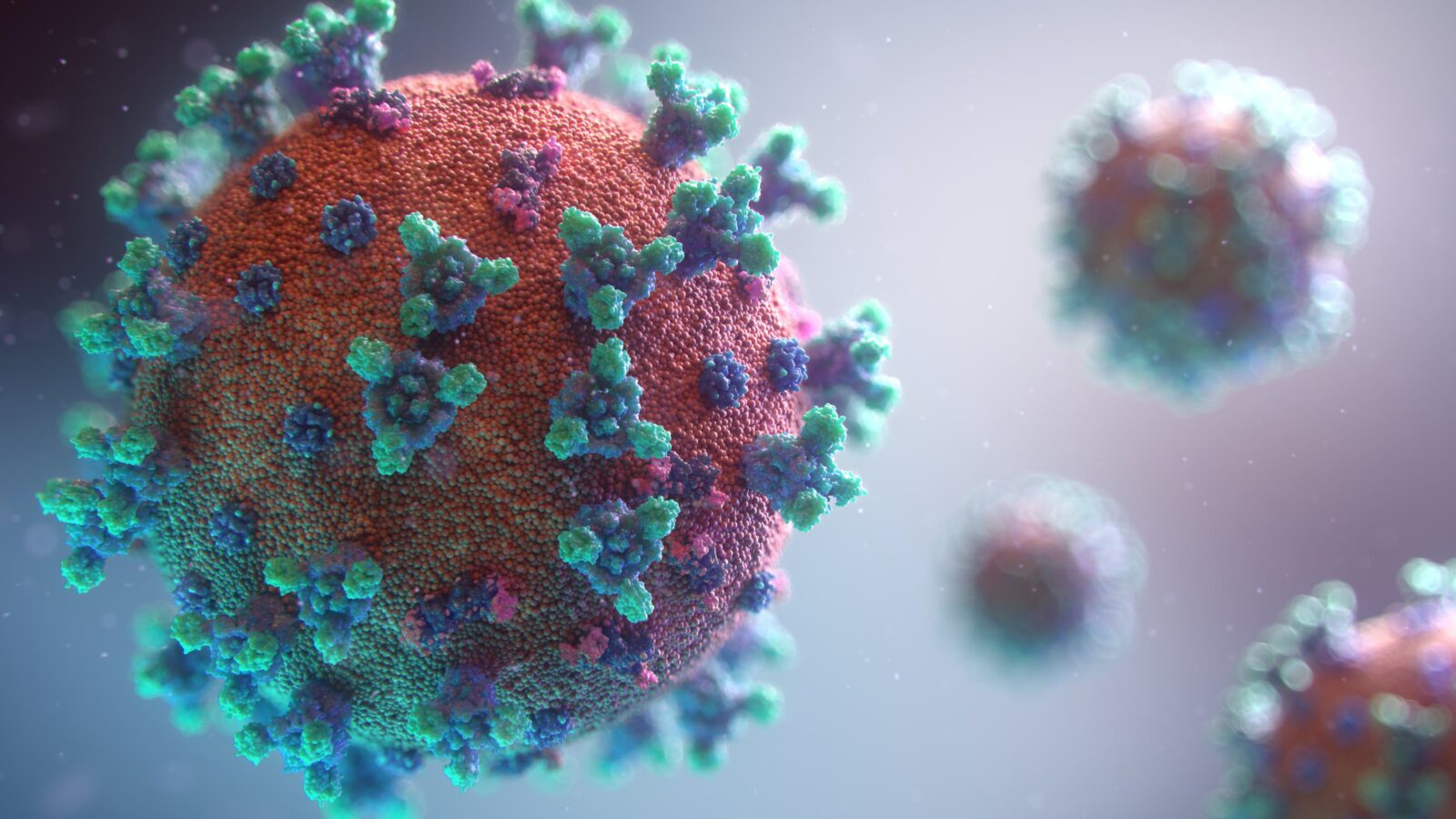
Immune nutrients have become more well-known due to the COVID-19 pandemic. As a respiratory virus, it can trigger a response known as a cytokine storm, during which the immune system damages respiratory tissues. As scientists are gaining a greater understanding of how respiratory viruses act, we are also rediscovering that several immune nutrients can calm a cytokine storm and support our immune system.
Cytokines are important elements of your immune response. Your system releases them to trigger inflammation to protect you from an infection. A cytokine storm is not a normal response. It is a release of excessive levels of cytokines, which causes hyper inflammation, serious complications, and sometimes death. Cytokine storms have contributed to complications and death in severe cases of COVID-19.
Let’s take a look at cytokine storms in relation to COVID-19 and review the top immune nutrients that may help alleviate a cytokine storm.
How the SARS-CoV-2 virus works
The SARS-CoV-2 virus is a novel coronavirus. Coronaviruses come in various strains, but all are in a group of single-stranded RNA viruses. The illness a coronavirus may cause ranges from a common cold to a severe respiratory illness. The world has seen two coronavirus outbreaks: the Severe Acute Respiratory Syndrome (SARS) in 2002 and the Middle East Respiratory Syndrome (MERS) in 2012. Both resulted in serious illnesses and death.
Coronaviruses can be transmitted between animals and humans. MERS transmitted from camels to humans, and SARS was transmitted from civet cats to humans. While controversy surrounds the origin of COVID-19, increasing evidence suggests that the virus was engineered or altered to have greater virulence in the Wuhan, China research laboratory. The hypothesis suggests that the virus got loose and spread to the public.
The primary symptoms of COVID-19 included cough, fever, and shortness of breath. Some people have respiratory or gastrointestinal symptoms. Approximately 80% of the general population may be asymptomatic or have mild to moderate symptoms from which they recover at home. Approximately 20% of people who experience a COVID-19 infection develop more serious symptoms or issues such as pneumonia or bronchitis which require hospitalization.
How COVID-19 gains entry into our cells
Understanding the method by which the virus enters the human cells is necessary for the development of treatments like vaccines. It may also improve our ability to develop preventative treatments. Immune nutrients may fall into that category, and it’s important to remember that COVID-19 is a virus not bacteria. Taking an antibiotic will not impact the virus. Therefore, it is crucial to include immune support in the list of preventative measures.
Coronaviruses have four key structural proteins: envelope (E), membrane (M), nucleocapsid (N), and spike (S) proteins. The spike protein helps the virus enter the cells. Research shows that around 75% of the COVID-19 S protein is like the SARS S protein. However, most of the amino acid residues necessary for receptor binding are the same. This means that it is likely that the entry receptor, ACE-2, is the same for both viruses as well.
ACE-2 is a transmembrane Metallo carboxypeptidase. It is found in the renal tubular epithelium, the vascular endothelial cells, the testes Leydig cells, the gastrointestinal tract, kidneys, lungs, and cardiovascular system.
The COVID-19 virus uses the ACE-2 to enter the cells of your body. Scientists believe that the COVID-19 virus can use ACE-2 from humans, pigs, certain bats, and civet cats to enter your cells. Research has shown that the affected ACE-2 in neurological tissue may lead to neurological tissue damage which may also contribute to the morbidity and mortality of the disease.
What is a cytokine storm?
A complication of COVID-19 is sometimes a cytokine storm. Cytokines are small proteins released by your cells in different areas. The cells of your immune system may release them in response to an infection. It triggers a protective inflammatory response.
On occasion, your immune system may overreact and fail to stop. In a small percentage of COVID-19 cases, the body releases excessive levels of cytokines causing hyper inflammation, serious complications, and sometimes death. The hyper inflammation is referred to as a cytokine storm.
Scientists have known about cytokine storms for a long time. It has been observed in COVID-19, SARS, MERS, H5N1, and the seasonal influenza virus. Cytokine storms may also happen in non-infectious diseases, such as pancreatitis and multiple sclerosis.
COVID-19 and cytokine storms
As noted above, approximately 80% of all COVID-19 cases may be asymptomatic, or have mild to moderate symptoms. Approximately 20% of cases become more severe and may require hospitalization. The cytokine storm may be one possible way to explain the severe reaction in some people who need hospitalization.
This may also explain why younger people and those with a healthy immune system and without preexisting health conditions tend to have milder cases. Their bodies may release lower levels of cytokines in response to the coronavirus.
Research has found that COVID-19 increases (IL)-1β and IL-6, IL-17 pro-inflammatory cytokines, which act as a mediator of lung inflammation, fever, and fibrosis. In addition, the suppression of pro-inflammatory cytokines may be beneficial in treatment. Other cytokines, such as Interferon, IL-37, and IL-38, show the ability to suppress innate and acquired immune responses. While more research is needed, these findings may lead to a new strategy.
Nutrients to block COVID-19 molecular docking
COVID-19 is a new virus. Research is looking at existing drugs as treatment options, like chloroquine and remdesivir. The vaccines are available, and scientists are searching for new treatment options. Finding alternatives is crucial in the meantime.
Recent research suggests that certain herbs and vegetables offer some health benefits with few to no side effects. The hypothesis is that the molecules in these plants may be developed as therapeutic agents in the prevention or treatment of COVID-19. Past research has focused on curcumin, savanin, and betulinic acid as a therapeutic for SARS.
To understand the benefits of certain herbs and plants further, one recent molecular docking study looked into 18 dietary molecules, including epigallocatechin gallate (EGCG), curcumin, beta-glucan, piperine, apigenin, gingerol-[6], resveratrol, myricetin, quercetin, genistein, daidzein, alliin, allicin, sulforaphane, phycocyanobilin, ferulic acid, and alpha-lipoic acid, to explore their potential benefits for COVID-19.
Immune nutrients to calm cytokine storm
You can incorporate a variety of immune nutrients into your diet to support your immune system and lower the risk of a cytokine storm. It is important to note that since COVID-19 is a new virus, there is no research suggesting that these immune nutrients would specifically benefit COVID-19 prevention or recovery. However, some scientific studies show their immune benefits for other viral infections, including the flu, other coronavirus infections, and other respiratory infections.
Still, research is continuing, and scientists are working hard to find treatment options. There are some promising developments. There are several things that you can do to improve your immune system, including using immune nutrients that may help to calm a cytokine storm.
Vitamin D
Vitamin D is an essential immune nutrient. It supports your immune system, brain, nervous system, lung function, cardiovascular health, bones, and teeth. The best way to meet your vitamin D needs is through the sun. Doing so during the winter months and inclement weather is difficult.
Some research suggests that low vitamin D levels may contribute to viral epidemics in the winter, while optimal vitamin D levels may help to reduce the risk of viral epidemics and pandemics. Observational and supplement trials suggest that vitamin D immune nutrient supplementation may reduce the risk of various viral infections, including influenza, dengue, hepatitis B and C, pneumonia, and respiratory viral infections.
Research suggests that vitamin D supplementation may reduce the production of proinflammatory cytokines by the innate immune system and lower the risk of a cytokine storm and pneumonia.
Resveratrol
Resveratrol is a compound found in grapes, berries, and red wine. This immune nutrient acts as an antioxidant and helps support your immune system. Resveratrol may help calm a cytokine storm. In one animal experiment mice were given superantigen staphylococcal enterotoxin B (SEB), in order to induce lung inflammation. SEB can lead to respiratory failure and treatment options are limited to supportive care.
The study found that the administration of resveratrol had anti-inflammatory benefits on pulmonary inflammation. The study has shown that resveratrol may be effective in suppressing the potent immune responses induced by a superantigen and may help to reduce the risk of acute lung inflammation.
EGCG
EGCG is a compound and immune nutrient found in green tea. It is known for its many health benefits. This immune nutrient is rich in polyphenols and antioxidants. It may help to lower oxidative stress, decrease inflammation, improve heart health, support brain health, and aid weight loss.
EGCG ranked number one against all proteins, including 6lu7, 6lvn, 6vw1, 6vsb, 6vww, 6lxt, and 6yte of COVID-19. The study suggests taking 800 mg of EGCG or 16.67 gm of green tea a day. Brew it for 3 minutes in boiling water. Let it cool a bit then drink it 3 to 4 times a day every 4.5 hours.
Beta-glucan
Beta-glucans are beta-D-glucose polysaccharides that are naturally found in the cell walls of cereals, bacteria, and fungi. They have been used for several conditions including the flu, swine flu, digestive issues, ear infections, allergies, Lyme disease, chronic fatigue syndrome, and more.
One study found that beta-glucan may show benefits as a potential treatment for COVID-19. Beta-glucan ranked number three against 6lu7, number four against 6vww, and number five against 6y2e. Beta-glucans are found in medicinal mushrooms such as Cordyceps, Reishi, Maitake, and Shiitake or in supplements.
Quercetin
Quercetin is a pigment that is found in plants, vegetables, and fruits, and serves as an immune nutrient offering many health benefits. Elderberry, red onions, white onions and cranberries are the richest sources of quercetin. It is a flavonoid and antioxidant that may help to reduce inflammation, infections, and allergies. Research has found that quercetin is beneficial for viral respiratory infections.
It may be beneficial for various strains of the influenza virus, including H1N1, H3N2, and H5N1. It also shows promise for blocking the COVID-19 from entering the cells. Results suggest that quercetin may be a safe natural method for preventing and aiding recovery from viral infections.
Curcumin
Curcumin is the active compound of a highly studied herb. It has been shown to have anti-inflammatory, anti-viral, anti-biotic, and antifungal benefits. It has been used for joint pain, digestive issues, and many other chronic health conditions. Current research on COVID-19 treatment options has shown its potential benefits.
The molecular docking study found that curcumin, EGCG, and beta-glucan, quercetin, myricetin, genistein, myricetin, and daidzein may offer benefits as a treatment for COVID-19.
Melatonin
Melatonin is a supplement that can support your healthy sleep cycle. Assisting restful sleep is an immune system-supporting benefit, but melatonin has more to offer. It is a powerful antioxidant that supports your immune health, brain, eyes, digestion, and more. It may be beneficial in treating COVID-19.
One recent study suggested that melatonin is a powerful anti-inflammatory and anti-oxidative molecule that may offer protection against acute respiratory distress syndrome (ARDS) and acute lung injury (ALI). Severe complications from COVID-19 may be due to a cytokine storm that results in ARDS, ALI, or death.
Probiotics
Probiotics help digestion and gut health. Your gut is linked to every area in your body, so it’s crucial to maintain a healthy gut microbiome to support your immune system. Research shows that probiotics may provide immunomodulatory effects. One study showed that some probiotics, like Bifidobacterium and Lactobacillus, help your immune system.
are incredibly important for your digestion and gut health. Since your gut is connected to all areas of your body, healthy gut flora is important for your immune system as well. It’s not surprising that probiotics may help as immune nutrients. They may help your body by increasing the cytotoxicity of natural killer cells and supporting adaptive immunity.
Probiotics may help to stimulate a healthy level of anti-inflammatory cytokines and improve your body’s defense system against invasion by bacterial, fungal, viral, and other infections.
Zinc
Zinc is a powerful immune nutrient providing immune health support and inflammation reduction as well as for improving cold and respiratory symptoms, reducing the risk of age-related disease, wound healing, and improvement of acne. Research on diabetes mellitus and atherosclerosis suggests that a deficiency of zinc may exacerbate low-grade systemic inflammation.
Zinc deficiency may also lead to increased inflammatory cytokines. However, zinc supplementation may have anti-inflammatory benefits, lower oxidative stress, maintain homeostasis, and increase the release of anti-inflammatory cytokines. Findings suggest that zinc may help to prevent or calm a cytokine storm.
Vitamin C
Vitamin C is a well-known immune nutrient that protects against immune deficiencies and helps with the prevention and recovery from colds and other respiratory conditions. It helps your eyes, skin, cardiovascular system, and other areas of your body. Vitamin C helps your natural immune system.
Vitamin C deficiency may lead to impaired immunity and higher susceptibility to infections. It is well known that vitamin C deficiency may lead to scurvy.
Elderberry is an immune system modulator
As noted above, quercetin is an immune nutrient, which may help calm a cytokine storm. Elderberry is the richest natural source of quercetin that helps balance the immune system.
One study found that the immunomodulating properties of the pectic polymers from Sambucus elderberries contained immunomodulating polysaccharides and may benefit respiratory illness. Another study examined the immune-modulating effects of astragalus root and elderberry fruit extracts in bone marrow-derived murine dendritic cells by measuring IFN-β and other cytokines with ELISA and RT-PCR tests.
Results suggest that both elderberry and astragalus increased L. acidophilus-induced IFN-β production while decreasing pro-inflammatory reactions to E. coli. In addition, a meta-analysis of certain studies found that elderberry supplementation may substantially reduce upper respiratory symptoms and may be beneficial for cold and flu recovery.
Final thoughts on immune nutrients
Cytokines are an important part of your immune response. However, when your body releases excessive or uncontrolled levels of cytokines it results in hyper inflammation called a cytokine storm. A cytokine storm may lead to serious complications and even death in serious COVID-19 cases and in other infections.
Supporting your immune system to improve your health and to decrease your risk of a cytokine storm is a proactive way to help prevent serious illness. Eat a nutrient-rich diet, take supplements where indicated, and follow good hygiene to optimize your immune system and overall health.