
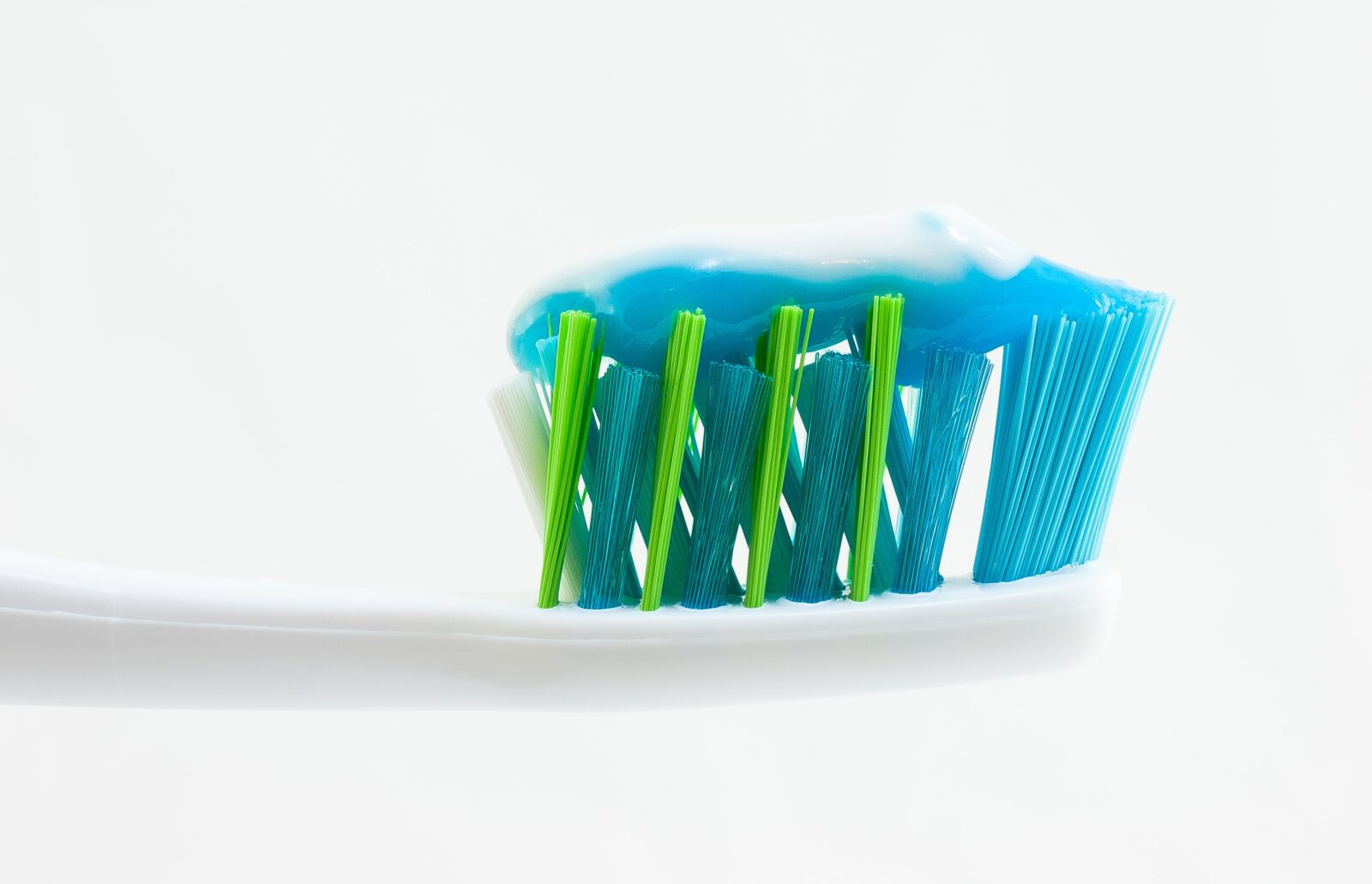
Do you know what’s in your toothpaste? Next time you are set to buy a new tube, read the list of ingredients first. Toothpaste can contain some astonishing ingredients.
History of brushing our teeth
Archeological digs have discovered that the ancient Egyptians cleaned their teeth with a combination of burnt eggshells, ox-hoof ashes, and sand dating to about 5,000 bce. Later on, the Romans used a mixture of oyster shells, crushed ox bones, crushed tree bark, and powdered charcoal to clean their teeth. In 18th century England, people used brick dust and crushed china in their teeth cleaning powders.
Today’s ingredients in toothpaste
Abrasives:
Abrasives are particles that make the action of tooth-brushing more effective. Your toothpaste may contain Silica (made from sand), Alumina (natural or synthetic), Calcium Carbonate (from limestone or shellfish), or Dicalcium Phosphate (synthetic).
These compounds depend on the mechanical action of the toothbrush to provide the cleaning effect on the teeth.
Fluoride:
First introduced into toothpaste in 1914, it remains a controversial ingredient. Manufacturers of toothpaste say that Fluoride strengthens tooth enamel thus making teeth less susceptible to cavities. However, critics of Fluoride argue that its negative effects on whole-body health, especially the thyroid gland, far outweigh the purported enamel-strengthening benefit.
Deemed a ‘medicinal’ ingredient, you will find Fluoride in toothpaste in the form of Sodium Fluoride, Stannous Fluoride or Sodium Monofluorophosphate (all synthetic). Toothpaste that contains fluoride does not need a preservative as Fluoride also inhibits bacterial growth.
Detergents:
These create the ‘foaming’ effect and are another cleaning ingredient in toothpaste. They work to dissolve, loosen or break down substances on your teeth (plaque, tartar, and stains) so that they may be brushed and rinsed away more easily.
Until recently, the most common detergent in toothpaste has been the synthetic compound Sodium Lauryl Sulfate (SLS) which, according to the American Dental Association, can cause increased gum irritation in people prone to mouth canker sores. SLS is definitely an ingredient of concern for many people and an increasing number of toothpaste formulations do not contain SLS.
Preservatives, humectants, and binding agents:
The combination of these ingredients in toothpaste retains moisture and prevents the toothpaste from separating, thereby eliminating the need for stirring or kneading before each use.
The most commonly used humectants are Glycerol (from animal sources or petroleum-based oils), Propylene Glycol (chemically-derived), and Sorbitol (from chemical or natural sources).
Typical binding agents are Carrageenan (seaweed gum), Gum Arabic (sap from the Acacia tree), and Sodium Carboxymethylcellulose/ Magnesium Aluminum Silicate (both synthetics).
Typically, preservatives used in non-fluoride containing toothpaste are Sodium Benzoate (synthetic), Methyl Paraben, or Ethyl Paraben – all gentle antibacterial or antifungal agents commonly used in foods, beverages, cosmetics, and body care products.
Triclosan, another controversial antibacterial ingredient, has just recently been banned, along with 18 other chemicals, by the FDA in 2016 over fears that it will create antibiotic-resistant strains of bacteria in some people. This order took effect in Sept. 2017 so it should not be in any toothpaste now.
Anti-tartar agents:
Agents like Tetrasodium Pyrophosphate (synthetic) have been shown to prevent the formation of tartar, however, they have no effect on existing tartar; a common misconception among consumers.
Sensitivity-reducing agents:
Agents such as Potassium Nitrate or Strontium Chloride (both synthetics) basically plug up the open-ended microscopic tubules which make up the dentin of a tooth that has become exposed by gum recession or erosion of the outer enamel of the tooth. Like fluoride, these compounds are considered to be the other ‘medicinal’ ingredient in toothpaste.
Whitening or bleaching agents:
These are either abrasives, like Silica and Mica (natural sources) present in greater amounts in ‘whitening formula’ toothpaste, that help to rub off stains like coffee and red wine… OR they are enzymes, like Glucose Oxidase and Lactoperoxidase (natural and synthetic respectively) that break down the protein in stains like tannins in wine.
Flavoring agents:
Toothpaste would taste pretty bad if manufacturers did not neutralize the tastes associated with all of the above ingredients, especially the preservatives. You will find various natural and artificial flavorings and sweeteners such as Saccharin, Aspartame, or Xylitol – each one of these having their own specific concerns amongst consumers.
Coloring agents:
These are artificial dyes actually, which add visual appeal to toothpaste. Their formulas are proprietary and examples include Blue 1 and Green D&C#5. Titanium dioxide, another synthetic, is used to color some toothpaste white.
Now you know what’s in your toothpaste. Some natural brands use no synthetic ingredients, but you need to read the labels. Other toothpastes have up to 20 ingredients, most of which are synthetic. Colgate’s new Enamel Health formula, for example, contains some 20 different ingredients. And of those 20 ingredients only two, Fluoride (NaF) and Potassium Nitrate, are deemed ‘medicinal’ ingredients.
Everything else, then, is non-medicinal ‘filler’ AND the non-medicinal ingredients outscore the medicinal ingredients by a ratio of 9:1!