
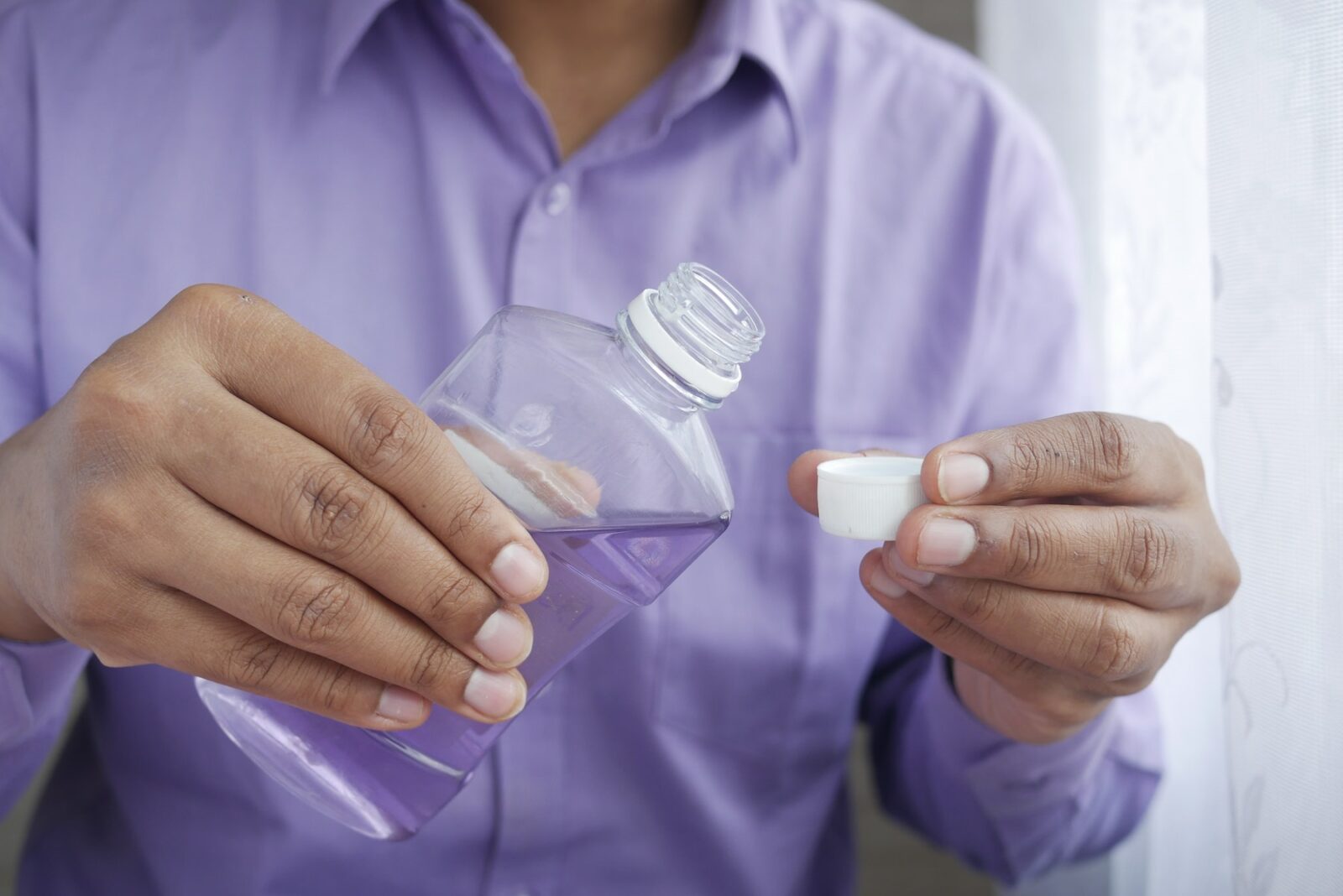
Mouthwash is commonly found in numerous bathrooms, yet recent findings suggest that these fragrant germ-killers might do more damage than benefits. This potential harm isn’t just limited to one’s teeth, as shown in a recent detailed investigation.
While the ingredients and their quantities differ across mouthwash brands, researchers have found that some components in these dental care items can lead to side effects. These range from mild skin rashes and headaches to serious conditions like cardiac issues and cancer.
A study in Turkey scrutinized 45 mouthwash solutions from 17 popular brands available in Istanbul’s top five chain stores. Out of these, 31 formulas (or over 68%) had glycerin, which has links to kidney and liver issues; 29 (or more than 64%) contained sodium saccharin, a recognized carcinogen; and 28 (or roughly 62%) included propylene glycol—a substance related to organ failure in high concentrations.
Despite its association with tooth decay, the disinfectant chlorhexidine gluconate was present in 7 out of the 45 solutions. Other components, like the plaque-fighting agent cetylpyridinium chloride and the dye acid orange 7, may lead to teeth discoloration and stains.
“The limited variety of mouthwashes available in stores is alarming for both dental and general health,” noted the researchers in the International Dental Journal. “Moreover, the complex makeup of these items, with many ingredients that might cause negative reactions, deserves urgent scrutiny.”
Do These Compounds Also Exist in Toothpaste?
A report in the Bosnian Journal of Basic Medical Sciences confirms they do. The composition of mouthwashes closely mirrors that of toothpastes. Shared ingredients include:
- Abrasives that cleanse teeth without causing abrasions.
- Binders that maintain the product’s moisture.
- Solvents that blend ingredients. While water is the primary solvent, some mouthwashes also contain alcohol.
- Foaming agents that boost cleaning power and remove debris.
- Flavor enhancers like spearmint, peppermint, and eucalyptus that offer a pleasant taste and counteract bad odors.
- Coloring agents such as titanium dioxide, which gives toothpaste its white hue.
- Preservatives that inhibit microbial growth.
Should Mouthwash Replace Toothpaste?
The American Dental Association (ADA) states that mouthwash should complement, not replace, toothpaste. Rinsing with mouthwash can access spots that might be challenging to brush.
Mouthwash comes in two primary categories: therapeutic and cosmetic. Therapeutic rinses can be bought both off-the-shelf or with a doctor’s prescription. They work to manage issues like plaque, gingivitis, bad breath, and cavities. On the other hand, cosmetic rinses give a brief remedy for bad breath but don’t target plaque, gingivitis, or cavities.
Safety Concerns, Product Recalls, and Potential Risks
In the past ten years, multiple alerts and recalls regarding mouthwash dangers have been made public.
In 2017, the U.S. Food and Drug Administration (FDA) alerted the public to a rare yet intense allergic reaction to the antiseptic chlorhexidine gluconate, typically used to treat gum ailments. This warning indicated that chlorhexidine gluconate could trigger symptoms like breathing difficulties, facial swelling, severe skin reactions, hives, and even shock—a critical state arising from reduced blood circulation.
In 2020, Lohxa, a pharmaceutical repackaging firm, voluntarily recalled a specific lot of chlorhexidine gluconate oral rinse due to possible bacterial contamination by Burkholderia lata. The recall related to this flawed product has since been concluded. Furthermore, research in the official journal of the Nitric Oxide Society suggested a connection between mouthwash use and Type 2 diabetes. The study found that those who used mouthwash more than twice daily had a heightened risk of pre-diabetes or diabetes compared to less frequent users.
The American Dental Association (ADA) advises against children below six using mouthwash unless a dentist recommends it. If ingested, especially if it contains alcohol, it can lead to symptoms like nausea, vomiting, and even alcohol poisoning.
Interactions between Mouthwash and Toothpaste Ingredients
The study aimed to assess the impacts and intended applications of the components in widely sold mouthwashes and pinpoint any potential negative effects,” the researchers stated. “Our findings on toothpaste suggest that various potentially harmful ingredients … might also be consumed via mouthwash, thereby increasing the body’s exposure to these chemicals.”
They further emphasized the importance of eliminating harmful chemicals from dental hygiene products and called for more extensive research to guarantee the safety of consumers.