
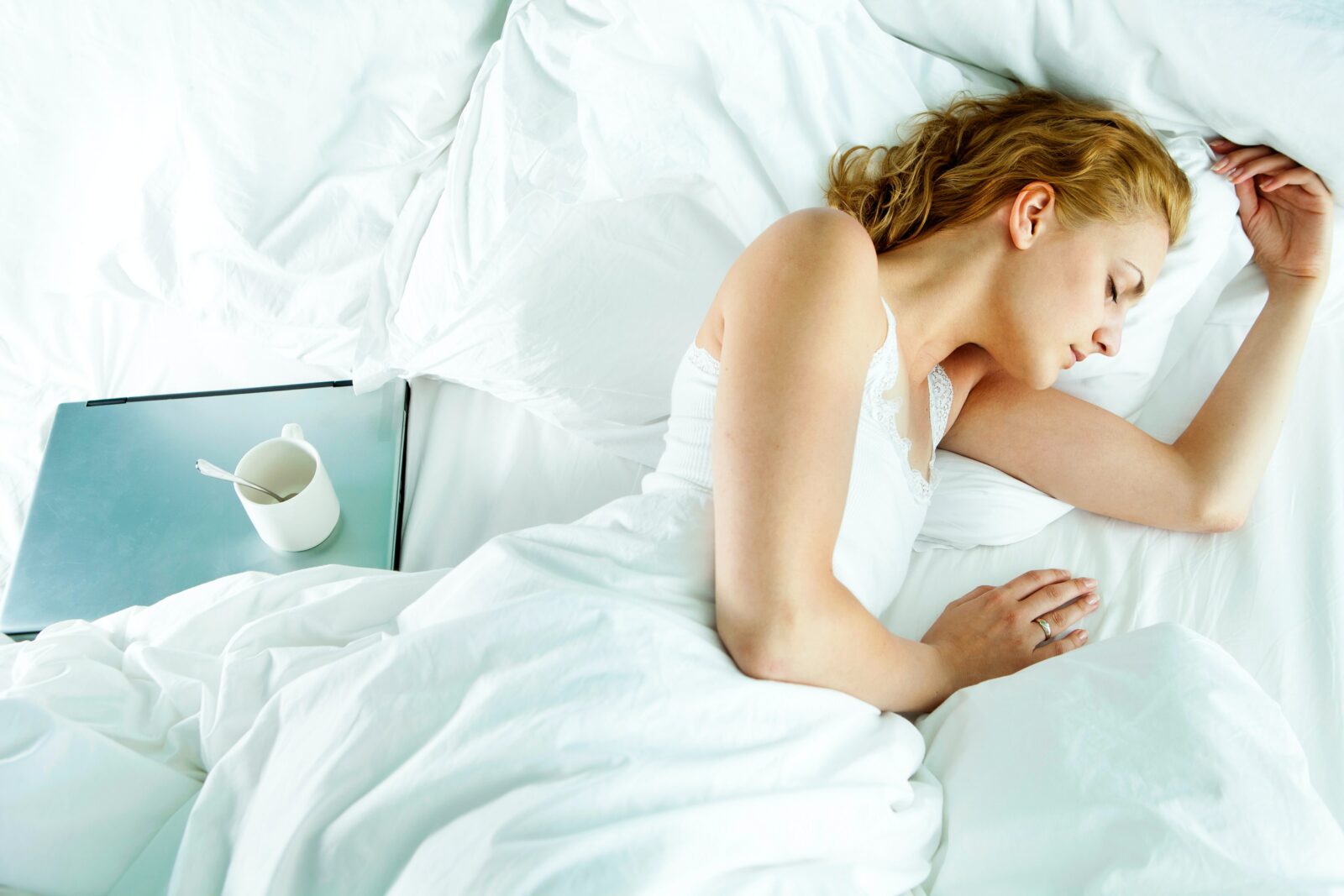
Menopause is inevitable, but that doesn’t mean it must be unpleasant. Many women have found that embracing menopause can make it a positive experience. Still, it brings some challenges such as difficulty sleeping. Sleep problems are very common in menopause impacting up to 50% of all women.
Insomnia due to menopause can be debilitating especially when a woman also experiences hot flashes and nights sweats. Even women who have never had sleep problems can find themselves having sleep disruptions beginning in their mid-to-late 40s. These problems range from difficulties falling asleep to waking and being unable to fall back asleep.
Getting good quality sleep is important to your overall health. Sleep deprivation can impact your mood and aggravate many symptoms like stress, depression, memory loss, and physical discomfort. Let’s take a look at the best ways to help you get a good night’s sleep despite menopause.
What causes sleep problems in menopause?
The primary cause of sleep problems in menopause is the change in your hormones. Because both estrogen and progesterone play a role in sleep, declining levels during perimenopause can cause sleep disturbances. Lower estrogen levels are also responsible for hot flashes and night sweats that can also make sleep miserable as well as anxiety and depression that lead to difficulty falling asleep and frequent night waking.
In addition, melatonin naturally decreases with age and because it’s produced from serotonin, whose production is dependent on adequate estrogen levels, the lower estrogen state can also lower melatonin levels. Stress can also decrease your melatonin levels. All of these changes are normal and natural, but they do frequently result in poor sleep.
Why poor sleep matters
Inadequate sleep contributes to many symptoms and medical problems including:
- Higher systolic blood pressure
- Weight gain
- Cognitive issues including forgetfulness, decreased focus, and memory
- Decreased sense of well-being and quality of life
- Increased anxiety and depression
- Headaches
- Increased risk of accidents, for example, car accidents are more common in people with impaired sleep
It’s important to realize that factors other than menopause can disrupt your sleep. Stress, alcohol, recreational, OTC, and prescription medications can all cause sleep problems. Underlying medical issues including chronic pain, fibromyalgia, anxiety, depression, restless leg syndrome, reflux, thyroid problems, arthritis, sleep apnea, and congestive heart failure can also contribute to insomnia, and should be considered if it’s persistent beyond a few weeks, or is causing significant disruption in your life.
A natural approach to better sleep in menopause
Again, these hormonal shifts are natural. You don’t need to “fix” the condition or replace it with hormone replacement therapy (HRT). Still, you have options for smoothing the ups and downs of hormonal changes. You can try gentle, natural approaches to support your body during its transition with herbs, supplements, and changing lifestyle choices. Sleep is an area where your choices have a significant impact.
Establish an evening wind-down
Some people are able to simply lay their head down on the pillow and immediately fall asleep. For most of us, falling asleep takes a bit more time. Perimenopause is a good time to establish an evening wind-down routine if you don’t already have one.
Good sleep starts in the hours before bed. Make it a priority, not just some nights, by making it a daily lifestyle ritual. Simple things like turning the lights down low, making time for self-care like a soothing bath, keeping a sleep journal to write your worries away, and staying off devices at least one hour before bed can be very helpful.
No alcohol
Alcohol has a negative effect on your sleep. Even a modest amount up to an hour before bedtime can reduce melatonin production by nearly 20% and it’s a trigger of hot flashes. It can make you feel depressed and is a breast cancer risk factor. Eliminating alcohol consumption is a quick and effective method to improve your overall sleep.
Red wine is the worst culprit, so if you’re going to have a drink, have vodka. It’s cleaner and while it still causes many women some symptoms, it’s better tolerated than other alcohol. Keep it to one ounce and no simple or added sugar.
Be prepared for night sweats
Keep your bedroom temperature no higher than 67 degrees F at night – it’s the ideal sleeping temperature that encourages the best sleep for most of us. Also, wear only light cotton sleepwear, and have blankets you can kick off or pull on easily as your temperature varies through the night from hot flash to night sweat. If you have drenching sweats, keep another nightie by the bed – or sleep nude – and incorporate herbs and supplements for hot flashes.
Melatonin
Your melatonin levels decline slightly as you get older – for some women, enough to interfere with sleep. Studies have shown that melatonin supplementation may postpone endocrine aging in women aged 40 to 60 in the menopausal transition and that this supplementation improves disturbed sleep and other vasomotor symptoms of menopause like hot flashes and night sweats.
Herbs and supplements for better sleep in menopause
Several herbs and supplements have been shown to be supportive of good sleep – without the risks of pharmaceuticals. In addition to those mentioned here for general sleep support, the following herbs and supplements have been specifically studied in menopause or for menopausal-specific application.
Calcium and magnesium
A combination of calcium and magnesium, or magnesium alone can promote relaxation and sleep, improve sleep quality, and reduce anxiety. It can also help prevent bone loss associated with perimenopause. Magnesium may also help if restless leg syndrome or muscle cramps interfere with your sleep.
How to use it: Calcium 800 mg; Magnesium supplement 300 to 600 mg
5-HTP
Numerous studies have pointed to the beneficial 5-hydroxytryptophan (5-HTP) on sleep, A precursor to the neurotransmitter serotonin, important for sleep duration and quality, on sleep, 5-HTP has been shown to both decrease the time required to fall asleep as well as (heavens part, angels sing), reducing the number of nighttime awakenings. Taking 5-HTP will raise serotonin levels, an important initiator of sleep.
How to use it: A typical dose of 5-HTP is in the range of 300-500 mg. Do not combine with any other neurologic medications, including SSRIs.
Hops
One of the key ingredients in beer, hops decrease hot flashes and promote sleep, so if you’re dealing with a combination of the two, this might be just the herb to try. Hops contain a group of nonsteroidal phytoestrogens called prenylflavonoids. In one randomized, double-blind, placebo-controlled study, 67 menopausal women were given either a placebo or a 100 mcg or 250 mcg standardized hops extract for 12 weeks. At 6 weeks, the 100 mcg dose was significantly superior to placebo. There was a more rapid decrease in menopause symptoms scored for both doses of hop extract, especially the hot flash score.
How to use it: Since this herb is too bitter for tea, use the tincture (alcohol extract), 1-2 mL (about 40-80 drops) before bed for night sweats. It can make you sleepy, so avoid using it before driving. Hops have mildly estrogenic effects so this herb is not recommended if you have risk factors for estrogen receptor positive breast cancer.
Valerian, lemon balm, and passionflower
Valerian has long been used by herbalists for sleep, and it helps women with perimenopausal insomnia. The improvements in sleep quality are sometimes immediate, and more significant after 4 weeks of use. Its benefits may be even greater when used in combination with either lemon balm, another traditional herb for sleep as well as anxiety, or combined with passionflower and hops, also classic sleep herbs. A study of 100 women aged 50-60 years found statistically significant improvements in sleep quality when valerian was combined with lemon balm compared to a placebo group.
And even more powerfully, one study looked at the effects of passionflower when it was combined with hops and valerian and found it comparable to Ambien, without the risks or side effects. Passionflower promotes sleep and improves sleep quality, and helps you feel more rested when you wake; also useful for anxiety.
How to use it: Valerian alone 500 mg twice daily, Lemon balm 80 mg daily, Passionflower 320 mg daily. If using tinctures, use 40 to 60 drop
Ashwagandha
Ashwagandha is an herb with roots in traditional Ayurvedic medicine, used to nurture and clear the mind, calm and strengthen the nerves, promote a sound and restful sleep, and specifically useful if you’re tired by wound up. It’s also particularly helpful if you’re also experiencing stress and anxiety, including if you’re finding it difficult to cope with insomnia.
How to use it: 500 to 2000 mg before bed in capsules or tea form or tincture dose is 40-60 drops s of any or all of these, instead.
Still can’t sleep? HRT for severe sleep problems
It’s best to try natural supports first. Start with herbs, supplements, and lifestyle approaches. Frequently, they’re enough to help women find their sleep rhythm again. But if sleep disturbances are going on too long and starting to cause a physical and mental-emotional toll, using low doses of progesterone, or combined HRT (hormone replacement therapy) is needed, can be helpful and often a bridge to natural approaches that can then be eventually removed. Start at the lowest possible dose for the shortest possible duration. And again, look to underlying causes in addition to hormone imbalances, to make sure you’re covering all the bases for your total best health.