
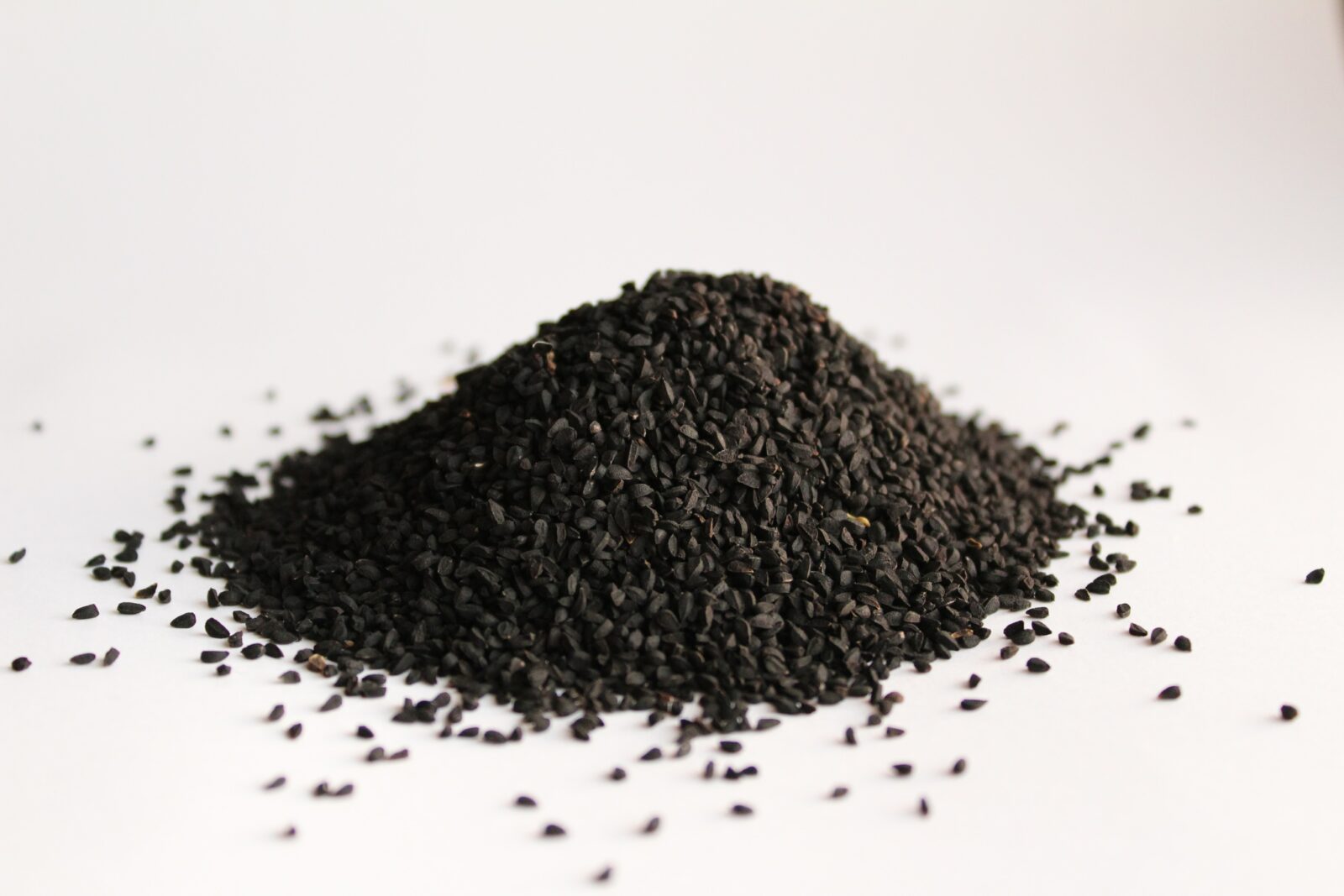
Nigella Sativa, also known as Black Cumin, has been used for centuries for its medicinal properties. This plant is native to southwestern Asia and is widely grown in the Middle East, Africa, and other parts of Asia. The seeds of Nigella Sativa have been used in traditional medicine to treat various ailments, including asthma, coughs, fever, headaches, and digestive disorders. In recent years, researchers have investigated the health benefits of Nigella Sativa and have found that this plant has potential therapeutic effects on various health conditions.
Here are some of the health benefits of Nigella Sativa that have been studied:
Antimicrobial properties: Nigella Sativa has been shown to have antimicrobial properties against a range of pathogens, including bacteria, viruses, and fungi. A study published in the Journal of Applied Microbiology found that Nigella Sativa oil was effective against several strains of bacteria, including Escherichia coli and Staphylococcus aureus. Another study published in the Journal of Ethnopharmacology found that Nigella Sativa oil was effective against several strains of fungi, including Candida albicans.
Anti-inflammatory properties: Inflammation is a natural process that helps the body fight infection and heal injuries. However, chronic inflammation can contribute to the development of various diseases, including cancer, diabetes, and heart disease. Nigella Sativa has been shown to have anti-inflammatory properties. A study published in the Journal of Medicinal Food found that Nigella Sativa reduced inflammation in rats with colitis. Another study published in the Journal of Ethnopharmacology found that Nigella Sativa reduced inflammation in rats with paw edema.
Antioxidant properties: Nigella Sativa is rich in antioxidants, which are compounds that protect the body against oxidative stress. Oxidative stress is a process that damages cells and contributes to the development of various diseases, including cancer, diabetes, and heart disease. A study published in the Journal of Agricultural and Food Chemistry found that Nigella Sativa had a high antioxidant capacity and protected cells against oxidative stress.
Anti-cancer properties: Nigella Sativa has been shown to have anti-cancer properties in several studies. A study published in the Journal of Ethnopharmacology found that Nigella Sativa inhibited the growth of human breast cancer cells. Another study published in the Journal of Medicinal Food found that Nigella Sativa reduced the growth of human colon cancer cells.
Anti-diabetic properties: Diabetes is a chronic condition in which the body cannot properly use and store glucose. Nigella Sativa has been shown to have anti-diabetic properties. A study published in the Journal of Endocrinology and Metabolism found that Nigella Sativa improved glucose tolerance and insulin sensitivity in rats with diabetes.
Neuroprotective properties: Nigella Sativa has been shown to have neuroprotective properties, which means it can protect the brain from damage. A study published in the Journal of Basic and Clinical Physiology and Pharmacology found that Nigella Sativa protected the brain from damage caused by ischemia-reperfusion injury in rats.
Cardiovascular health benefits: Nigella Sativa has been shown to have cardiovascular health benefits. A study published in the International Journal of Cardiology found that Nigella Sativa reduced blood pressure in patients with mild hypertension. Another study published in the Indian Journal of Physiology and Pharmacology found that Nigella Sativa improved lipid profile in patients with hyperlipidemia.
Anti-obesity properties: Obesity is a major health problem that contributes to the development of various diseases, including diabetes and heart disease. Nigella Sativa has been shown to have anti-obesity properties. A study published in the Journal of Diabetes and Metabolic Disorders found that Nigella Sativa reduced body weight and body mass index in obese women.
Immune system support: Nigella Sativa has been shown to support the immune system. A study published in the International Immunopharmacology found that Nigella Sativa increased the production of T lymphocytes and natural killer cells, which are important components of the immune system.
Respiratory health benefits: Nigella Sativa has been traditionally used for respiratory ailments such as asthma and coughs. A study published in the Journal of Asthma found that Nigella Sativa improved lung function in patients with asthma. Another study published in the Indian Journal of Physiology and Pharmacology found that Nigella Sativa reduced cough frequency and severity in patients with acute bronchitis.
It is important to note that many of these studies have been conducted on animals and in vitro, and further research is needed to confirm the health benefits of Nigella Sativa in humans. However, the results of these studies suggest that Nigella Sativa may have potential therapeutic effects on various health conditions.
How to incorporate nigella sativa into your diet
Nigella Sativa seeds can be consumed in various ways, including:
- Adding them to bread or other baked goods
- Sprinkling them on salads or yogurt
- Mixing them into smoothies
- Brewing them as tea
- Taking them in supplement form
- Nigella Sativa oil can also be used for cooking or as a supplement
It is important to note that Nigella Sativa may interact with certain medications, and individuals with liver or kidney disease should consult with their healthcare provider before taking Nigella Sativa supplements.
Final thoughts
Nigella Sativa, also known as Black Cumin, has been used for centuries for its medicinal properties. Recent studies have found that Nigella Sativa has potential therapeutic effects on various health conditions, including antimicrobial, anti-inflammatory, antioxidant, anti-cancer, anti-diabetic, neuroprotective, cardiovascular health, anti-obesity, immune system support, and respiratory health benefits.
While more research is needed to confirm the health benefits of Nigella Sativa in humans, incorporating Nigella Sativa seeds or oil into your diet may offer potential health benefits. However, it is important to consult with your healthcare provider before taking Nigella Sativa supplements, especially if you are taking medications or have a pre-existing medical condition.
REFERENCES:
Ahmad, A., Husain, A., Mujeeb, M., Khan, S. A., Najmi, A. K., Siddique, N. A., … & Anwar, F. (2013). A review on therapeutic potential of Nigella sativa: A miracle herb. Asian Pacific Journal of Tropical Biomedicine, 3(5), 337-352.
Aljabre, S. H. M., Randhawa, M. A., Akhtar, N., Alakloby, O. M., & Alqurashi, A. M. (2015). Antimicrobial and anti-inflammatory activities of Nigella sativa Linn. seeds oil against multidrug-resistant clinical isolates. Asian Pacific Journal of Tropical Medicine, 8(12), 958-964.
Salem, M. L. (2005). Immunomodulatory and therapeutic properties of the Nigella sativa L. seed. International Immunopharmacology, 5(13), 1749-1770.
Hanafy, M. S., & Hatem, M. E. (1991). Studies on the antimicrobial activity of Nigella sativa seed (black cumin). Journal of Ethnopharmacology, 34(2-3), 275-278.
Ahmad, A., Husain, A., Mujeeb, M., Khan, S. A., Najmi, A. K., Siddique, N. A., … & Anwar, F. (2013). A review on therapeutic potential of Nigella sativa: A miracle herb. Asian Pacific Journal of Tropical Biomedicine, 3(5), 337-352.
Dehkordi, F. R., & Kamkhah, A. F. (2008). Antihypertensive effect of Nigella sativa seed extract in patients with mild hypertension. Fundamental & Clinical Pharmacology, 22(4), 447-452.
Kanter, M. (2008). Effects of Nigella sativa and its major constituent, thymoquinone on sciatic nerves in experimental diabetic neuropathy. Neurochemical Research, 33(1), 87-96.
Oyero, O. G., Rogers, M. E., Jr, McMichael, M., Luedtke, R. R., Fischer, J. G., Jr, & McMichael, J. C. (1993). Inhibitory effects of extracts of Nigella sativa on human lymphocytes and polymorphonuclear leukocyte phagocytosis. Journal of Ethnopharmacology, 39(2), 113-116.
Salem, M. L. (2005). Immunomodulatory and therapeutic properties of the Nigella sativa L. seed. International Immunopharmacology, 5(13), 1749-1770.
Ahmad, A., Husain, A., Mujeeb, M., Khan, S. A., Najmi, A. K., Siddique, N. A., … & Anwar, F. (2013). A review on therapeutic potential of Nigella sativa: A miracle herb. Asian Pacific Journal of Tropical Biomedicine, 3(5), 337-352.
Al-Ali, A., Alkhawajah, A. A., & Randhawa, M. A. (2008). Antihyperglycemic and insulin sensitizing effects of Nigella sativa. European Review for Medical and Pharmacological Sciences,