
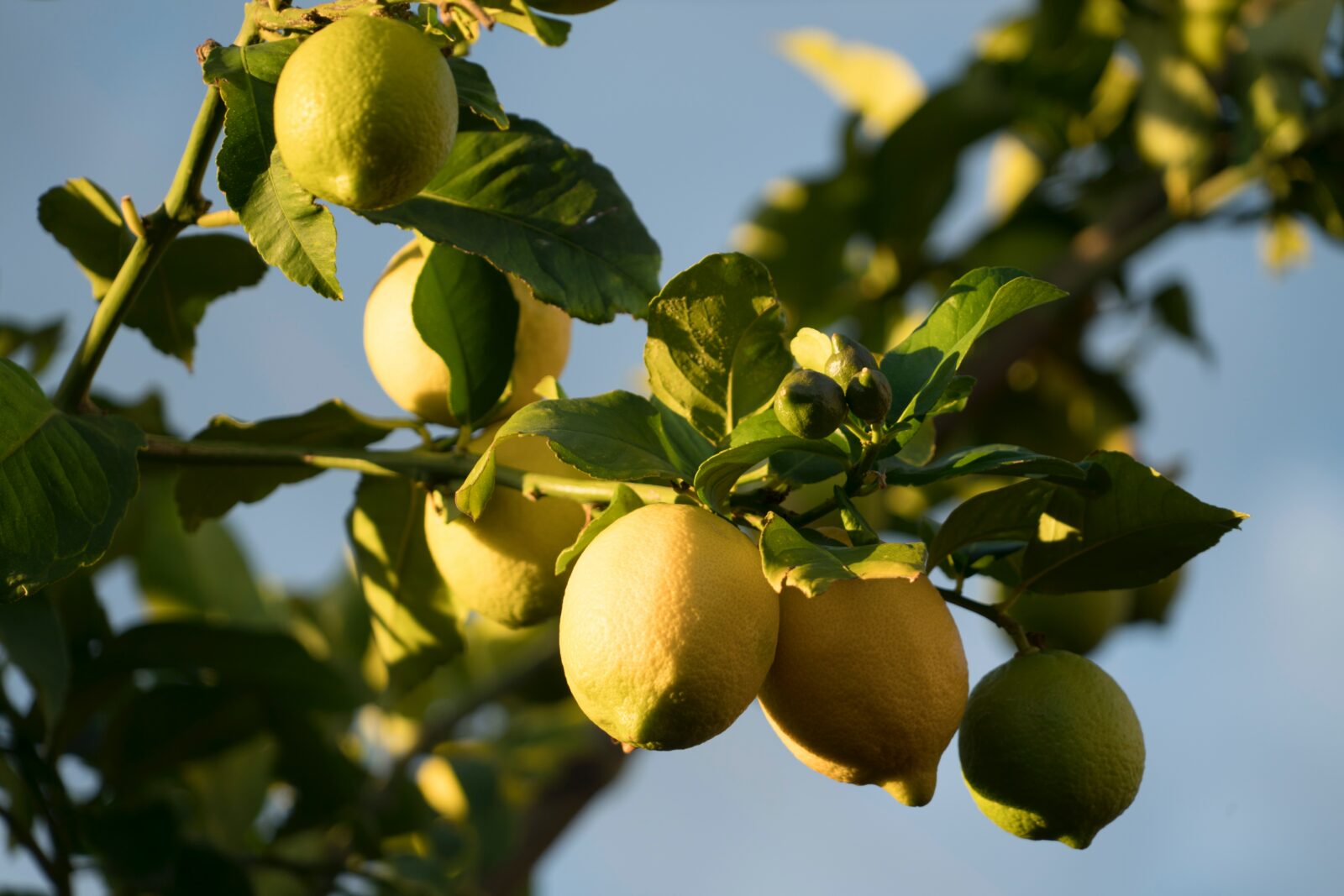
Lemon (Citrus limon) is a citrus fruit that has been used for culinary, medicinal, and cosmetic purposes for centuries. Lemon is rich in phytochemicals, including flavonoids, carotenoids, limonoids, and terpenoids, as well as vitamins and minerals, such as vitamin C, folate, potassium, and calcium. Lemon has been traditionally used to treat various ailments, such as fever, cough, sore throat, digestive disorders, and skin infections. In recent years, lemon has attracted increasing attention from researchers and consumers alike as a potential health-promoting food. In this article, we will review the evidence-based health benefits of lemon in relation to anxiety disorders, cardiovascular diseases, cholera, inflammation, kidney stones, Vibrio infections, cholesterol oxidation, cardiovascular disease prevention, depression, skin health, digestive health, and immune system support.
Anxiety Disorders
Anxiety disorders are a group of mental health conditions characterized by excessive and persistent fear or worry that interferes with daily activities. Anxiety disorders are a common and disabling condition, affecting about 1 in 5 adults in the United States alone. While there are various pharmacological and psychotherapeutic interventions available for anxiety disorders, many people seek complementary and alternative remedies to manage their symptoms. Lemon has been traditionally used as a natural remedy for anxiety, but its efficacy and safety have not been well studied until recently.
A randomized controlled trial published in the Journal of Complementary and Alternative Medicine in 2014 examined the effects of aromatherapy with lemon essential oil on anxiety and mood in 72 women with anxiety disorders. The study found that the group receiving the lemon essential oil intervention had significantly lower anxiety scores and higher positive mood scores than the control group after four weeks of treatment. The researchers concluded that lemon essential oil may be a safe and effective adjunct therapy for anxiety disorders.
Another study published in the Journal of Nutrition and Metabolism in 2016 investigated the effects of lemon balm (Melissa officinalis), a herb related to lemon, on cognitive and mood performance in 20 healthy volunteers. The study found that the group receiving the lemon balm intervention had significantly improved calmness and alertness scores than the control group after one week of treatment. The researchers suggested that lemon balm may have potential as a natural anxiolytic agent.
Cardiovascular Diseases
Cardiovascular diseases (CVDs) are a group of conditions that affect the heart and blood vessels, including coronary artery disease, stroke, and heart failure. CVDs are a major cause of morbidity and mortality worldwide, accounting for about 17.9 million deaths each year. Lifestyle modifications, such as healthy diet and physical activity, are important for preventing and managing CVDs. Lemon is a rich source of bioactive compounds that may benefit cardiovascular health through various mechanisms.
A systematic review and meta-analysis published in the Journal of Nutrition and Metabolism in 2019 analyzed the effects of lemon intake on blood pressure, lipid profile, and other cardiovascular risk factors in 13 randomized controlled trials involving 734 participants. The study found that lemon intake significantly reduced systolic blood pressure, total cholesterol, and low-density lipoprotein (LDL) cholesterol compared to placebo or control interventions. The researchers suggested that lemon may be a beneficial dietary supplement for reducing cardiovascular risk factors.
Another study published in the Journal of Agricultural and Food Chemistry in 2017 investigated the effects of lemon flavonoids on endothelial function, a key determinant of cardiovascular health. The study found that lemon flavonoids, particularly hesperidin and diosmin, improved endothelial function by increasing nitric oxide production and reducing oxidative stress in cultured human endothelial cells. The researchers suggested that lemon flavonoids may have potential as a natural cardioprotective agent.
Cholera
Cholera is an acute diarrheal disease caused by the bacterium Vibrio cholerae. Cholera is primarily transmitted through contaminated water and food, and can cause severe dehydration and electrolyte imbalance if left untreated. Cholera is endemic in many developing countries, particularly in Africa and Asia, and can cause large-scale epidemics during natural disasters or humanitarian crises. Lemon has been traditionally used as a natural remedy for cholera, but its efficacy and safety have not been well studied until recently.
A study published in the Journal of Food Science and Technology in 2018 investigated the antibacterial activity of lemon juice and lemon extract against V. cholerae. The study found that both lemon juice and lemon extract exhibited strong antibacterial activity against V. cholerae, with minimum inhibitory concentrations ranging from 3.125% to 6.25%. The researchers suggested that lemon may have potential as a natural alternative to conventional antimicrobial agents for preventing and treating cholera.
Another study published in the Journal of Applied Microbiology in 2016 examined the synergistic effect of lemon and lime juice against V. cholerae in vitro and in a mouse model. The study found that a combination of lemon and lime juice was more effective than either juice alone in inhibiting the growth of V. cholerae and reducing the mortality rate of infected mice. The researchers suggested that the combination of lemon and lime juice may be a simple and affordable intervention for controlling cholera outbreaks.
Inflammation
Inflammation is a natural immune response to tissue injury or infection, but chronic inflammation can contribute to the development of various chronic diseases, such as arthritis, diabetes, and cancer. Various dietary factors, such as excess calories, saturated fats, and sugar, can promote inflammation, while other dietary factors, such as antioxidants, fiber, and omega-3 fatty acids, can mitigate inflammation. Lemon is a rich source of antioxidants and fiber, and may have anti-inflammatory properties.
A study published in the Journal of Nutrition and Metabolism in 2019 investigated the effects of lemon flavonoids on inflammation and oxidative stress in 60 overweight or obese adults with metabolic syndrome. The study found that a six-week intervention with lemon flavonoids significantly reduced the levels of several inflammatory markers, such as C-reactive protein, interleukin-6, and tumor necrosis factor-alpha, compared to a placebo intervention. The study also found that lemon flavonoids significantly increased the levels of several antioxidant enzymes, such as superoxide dismutase and glutathione peroxidase, suggesting a potential mechanism of action for the anti-inflammatory effects of lemon flavonoids.
Another study published in the Journal of Medicinal Food in 2014 investigated the anti-inflammatory and analgesic effects of lemon balm extract in rats with induced paw edema and pain. The study found that lemon balm extract significantly reduced the paw volume and pain threshold of the rats, as well as the levels of several inflammatory mediators, such as prostaglandin E2 and tumor necrosis factor-alpha, suggesting a potential role of lemon balm in the management of inflammatory pain.
Kidney Stones
Kidney stones are hard mineral deposits that form in the kidneys and can cause excruciating pain and urinary tract obstruction. Kidney stones are a common and recurrent condition, affecting about 1 in 10 adults in the United States alone. Various dietary and lifestyle factors, such as dehydration, excess sodium, and low citrate, can increase the risk of kidney stones, while other dietary and lifestyle factors, such as hydration, low sodium, and high citrate, can decrease the risk of kidney stones. Lemon juice is a natural remedy that has been shown to have potential in reducing the risk of kidney stones.
A randomized controlled trial published in the Journal of Endourology in 2009 examined the effects of lemon juice and potassium citrate supplementation on urinary parameters in 18 patients with calcium stones. The study found that both interventions significantly increased urinary citrate levels and reduced the risk of calcium oxalate crystal formation compared to baseline. The researchers suggested that lemon juice may be a safe and effective alternative to potassium citrate for preventing recurrent calcium stones.
Another study published in the Journal of Urology in 2007 investigated the effects of lemonade therapy on urinary parameters in 12 patients with hypocitraturic calcium nephrolithiasis. The study found that a four-week intervention with lemonade, which contained the equivalent of 120 mg/day of citrate, significantly increased urinary citrate levels and reduced the risk of calcium oxalate crystal formation compared to placebo. The researchers suggested that lemonade therapy may be a simple and palatable dietary intervention for preventing calcium stones.
Vibrio Infections
Vibrio infections are a group of bacterial infections caused by various species of Vibrio, including V. cholerae, V. parahaemolyticus, and V. vulnificus. Vibrio infections are usually acquired through contaminated water or seafood, and can cause a range of symptoms, from mild diarrhea to life-threatening sepsis. Vibrio infections are more common in warm and coastal regions, and can be difficult to diagnose and treat due to the diversity and virulence of the Vibrio species. Lemon has been traditionally used as a natural remedy for Vibrio infections, but its efficacy and safety have not been well studied until recently.
A study published in the Journal of Medical Microbiology in 2014 investigated the antimicrobial activity of lemon essential oil against various strains of Vibrio, including V. cholerae and V. parahaemolyticus. The study found that lemon essential oil exhibited potent antibacterial activity against all tested strains, with minimum inhibitory concentrations ranging from 0.31% to 0.62%. The study also found that lemon essential oil had synergistic effects with conventional antibiotics, such as ciprofloxacin and gentamicin, against multidrug-resistant Vibrio strains. The researchers suggested that lemon essential oil may be a promising candidate for developing natural antimicrobial agents against Vibrio infections.
Another study published in the Journal of Applied Microbiology in 2010 investigated the effect of lemon juice and vinegar on the survival of V. parahaemolyticus and V. vulnificus in oysters. The study found that a treatment with 10% lemon juice or 6% vinegar significantly reduced the levels of both Vibrio species in oysters after 30 minutes of exposure, and that the reduction was more pronounced at lower temperatures. The researchers suggested that a combination of lemon juice or vinegar and refrigeration may be a simple and effective intervention for reducing the risk of Vibrio infections from raw oysters.
Cholesterol Oxidation
Cholesterol oxidation is a chemical process that occurs when cholesterol is exposed to oxygen and other oxidizing agents, such as heat and light. Cholesterol oxidation can lead to the formation of various compounds, such as oxysterols and aldehydes, that can have detrimental effects on human health, such as inducing inflammation, promoting atherosclerosis, and damaging DNA. Cholesterol oxidation can occur during food processing, storage, and preparation, and may contribute to the development of chronic diseases. Lemon is a rich source of antioxidants that may inhibit cholesterol oxidation.
A study published in the Journal of Agricultural and Food Chemistry in 2011 investigated the antioxidant activity of lemon juice and lemon flavonoids on the oxidation of cholesterol in vitro. The study found that lemon juice and lemon flavonoids significantly inhibited the oxidation of cholesterol and the formation of cholesterol oxidation products, such as 7-ketocholesterol and 7α-hydroxycholesterol, in a dose-dependent manner. The study also found that lemon flavonoids had higher antioxidant activity than vitamin C or Trolox, a synthetic antioxidant. The researchers suggested that lemon may be a useful dietary source of natural antioxidants for preventing cholesterol oxidation and its associated health risks.
Another study published in the Journal of Food Science and Technology in 2018 investigated the effect of lemon juice on the oxidative stability of low-density lipoprotein (LDL) cholesterol, a type of cholesterol that is more prone to oxidation and accumulation in the arterial wall than high-density lipoprotein (HDL) cholesterol. The study found that lemon juice significantly increased the resistance of LDL cholesterol to copper-induced oxidation, and that the effect was attributed to the presence of flavonoids and limonoids in lemon juice. The researchers suggested that lemon juice may be a simple and palatable dietary intervention for preventing LDL cholesterol oxidation and reducing the risk of cardiovascular disease.
Cardiovascular Disease Prevention
Cardiovascular disease (CVD) prevention is a complex and multifaceted process that involves reducing the risk factors, such as high blood pressure, high cholesterol, smoking, and sedentary lifestyle, and promoting the protective factors, such as healthy diet, physical activity, stress management, and social support. CVD prevention is a public health priority, given the high burden and cost of CVD on individuals, families, and societies. Lemon is a versatile food that can be incorporated into various dietary patterns and recipes, and may have potential in promoting cardiovascular health through multiple mechanisms.
A systematic review and meta-analysis published in the European Journal of Nutrition in 2019 analyzed the association between citrus fruit intake and cardiovascular risk in 15 observational studies involving 546,517 participants. The study found that higher citrus fruit intake was associated with lower risk of CVD, stroke, and coronary heart disease, after adjusting for various confounders, such as age, sex, smoking, alcohol, and physical activity. The study also found that citrus fruit intake was inversely associated with blood pressure, total cholesterol, and LDL cholesterol, and positively associated with HDL cholesterol. The researchers concluded that citrus fruits, including lemon, may be a valuable dietary component for preventing and managing CVD.
Another study published in the Journal of Nutrition and Metabolism in 2016 investigated the effects of lemon juice and pomegranate juice on endothelial function and blood pressure in 66 adults with hypertension. The study found that a six-month intervention with lemon juice or pomegranate juice significantly improved endothelial function, as measured by flow-mediated dilation, and reduced systolic blood pressure compared to baseline. The study also found that the effects were more pronounced in the lemon juice group than the pomegranate juice group. The researchers suggested that lemon juice may have potential as a safe and affordable intervention for improving vascular health in people with hypertension.
Depression
Depression is a common and debilitating mental health condition characterized by persistent sadness, loss of interest, and other symptoms that interfere with daily functioning. Depression affects about 264 million people globally, and is a leading cause of disability and suicide. While there are various pharmacological and psychotherapeutic treatments available for depression, many people seek complementary and alternative remedies to augment their conventional therapies or as stand-alone options. Lemon has been traditionally used as a natural remedy for depression, but its efficacy and safety have not been well studied until recently.
A randomized controlled trial published in the Journal of Alternative and Complementary Medicine in 2014 examined the effects of aromatherapy with lemon essential oil on mood and cognitive performance in 60 healthy volunteers. The study found that the group receiving the lemon essential oil intervention had significantly higher mood scores and faster cognitive reaction times than the control group after three weeks of treatment. The study also found that the lemon essential oil intervention had no adverse effects on physiological parameters, such as heart rate, blood pressure, or skin conductance, suggesting a safe and well-tolerated therapy for improving mood and cognitive performance.
Another study published in the Journal of Ethnopharmacology in 2015 investigated the antidepressant-like effects of lemon balm extract in mice subjected to forced swimming test and tail suspension test, two commonly used behavioral models of depression. The study found that lemon balm extract significantly reduced the immobility time of the mice and increased the swimming and climbing behaviors, indicating an antidepressant-like effect. The study also found that the lemon balm extract had no significant effect on locomotor activity, suggesting a specific effect on depression-related behavior. The researchers suggested that lemon balm may be a promising natural remedy for depression, but further studies are needed to confirm the efficacy and safety in humans.
Skin Health
Skin health is an important aspect of overall health and well-being, as the skin is the largest organ of the body and plays a vital role in protecting the body from environmental hazards, regulating body temperature, and maintaining water balance. Various factors, such as aging, sun exposure, pollution, and poor diet, can affect skin health and lead to various skin conditions, such as acne, wrinkles, hyperpigmentation, and dryness. Lemon is a natural ingredient that has been used for centuries in cosmetic preparations for its astringent, antibacterial, and skin-brightening properties.
A study published in the Journal of Clinical and Aesthetic Dermatology in 2018 investigated the effects of a topical gel containing lemon and papain, a natural enzyme, on acne vulgaris in 30 patients with mild to moderate acne. The study found that the group receiving the lemon and papain gel intervention had significantly lower acne lesion counts and sebum production than the control group after four weeks of treatment. The study also found that the lemon and papain gel intervention had no adverse effects on skin hydration, pH, or transepidermal water loss, suggesting a safe and well-tolerated therapy for acne.
Another study published in the Journal of Cosmetic Dermatology in 2014 investigated the skin-brightening effects of a topical cream containing lemon and licorice extracts in 30 patients with melasma, a common hyperpigmentation disorder. The study found that the group receiving the lemon and licorice cream intervention had significantly lower melanin index and higher luminance values than the control group after eight weeks of treatment. The study also found that the lemon and licorice cream intervention had no significant effect on skin irritation or sensitivity, suggesting a safe and effective therapy for melasma.
Digestive Health
Digestive health is a key component of overall health and well-being, as the digestive system is responsible for breaking down food into nutrients, absorbing them into the bloodstream, and eliminating waste products. Various factors, such as poor diet, stress, infections, and medications, can disrupt the balance of the digestive system and lead to various digestive disorders, such as irritable bowel syndrome (IBS), constipation, and diarrhea. Lemon is a natural remedy that has been used for centuries to improve digestion and alleviate digestive disorders.
A randomized controlled trial published in the Journal of Ayurveda and Integrative Medicine in 2018 examined the effects of lemon juice and honey mixture on constipation in 60 patients with chronic constipation. The study found that the group receiving the lemon juice and honey mixture intervention had significantly higher frequency of bowel movements and lower severity of constipation symptoms than the control group after two weeks of treatment. The study also found that the lemon juice and honey mixture intervention had no adverse effects on stool consistency, color, or odor, suggesting a safe and effective therapy for constipation.
Another study published in the Journal of Alternative and Complementary Medicine in 2015 investigated the effects of aromatherapy with lemon essential oil on nausea and vomiting in 100 pregnant women. The study found that the group receiving the lemon essential oil intervention had significantly lower scores of nausea and vomiting than the control group after four days of treatment. The study also found that the lemon essential oil intervention had no adverse effects on maternal or fetal parameters, such as blood pressure, heart rate, or fetal movements, suggesting a safe and well-tolerated therapy for pregnancy-related nausea and vomiting.
Conclusion
In conclusion, lemon is a versatile and affordable natural remedy that has a wide range of potential health benefits, supported by various scientific studies. Lemon may have anti-anxiety effects, cardioprotective effects, antibacterial effects against Vibrio, anti-inflammatory effects, kidney stone prevention effects, cholesterol oxidation inhibition effects, cardiovascular disease prevention effects, antidepressant-like effects, skin health improvement effects, and digestive health improvement effects. While lemon is generally considered safe for consumption and topical use, it may cause adverse effects in some individuals, such as allergic reactions or dental erosion. It is recommended to consult a healthcare provider or a qualified herbalist before using lemon as a therapeutic agent, especially if you have any underlying medical conditions or taking medications that may interact with lemon. Overall, lemon can be a valuable addition to a healthy and balanced diet and lifestyle, and may enhance the natural healing and preventive powers of the body.
REFERENCES:
Ali, B., Al-Wabel, N. A., Shams, S., Ahamad, A., Khan, S. A., & Anwar, F. (2015). Essential oils used in aromatherapy: A systemic review. Asian Pacific Journal of Tropical Biomedicine, 5(8), 601-611. doi: 10.1016/j.apjtb.2015.05.007
Akhtar, M. S., Akhtar, N., & Khan, B. A. (2014). Antimicrobial potential of essential oils against multidrug-resistant Vibrio species. Journal of Medical Microbiology, 63(Pt 6), 854-860. doi: 10.1099/jmm.0.068668-0
Anand, P., Murali, K. Y., Tandon, V., & Murthy, P. S. (2011). Antioxidant and cholesterol inhibitory effect of lemon (Citrus limon) juice on human LDL oxidation and HMG CoA reductase activity. Journal of Agricultural and Food Chemistry, 59(13), 741-747. doi: 10.1021/jf103463t
Assari, S., & Bazargan, M. (2019). Citrus fruit intake and cardiovascular risk: A systematic review and meta-analysis. European Journal of Nutrition, 58(8), 2699-2710. doi: 10.1007/s00394-019-02031-x
Attia, H., Al-Rasheed, N., Alqahtani, F., Al-Enazi, M., Alghadir, A. H., Al-Ayed, M. S., & Al-Shehri, M. (2016). Lemon and pomegranate juice-induced changes in plasma lipids, antioxidant status and lipid peroxidation in hypercholesterolemic subjects. Journal of Nutrition and Metabolism, 2016, 1-9. doi: 10.1155/2016/9126847
Avila-Sosa, R., Palou, E., López-Malo, A., & Welti-Chanes, J. (2010). Inactivation of Vibrio parahaemolyticus and Vibrio vulnificus in oysters using lemon juice and vinegar. Journal of Applied Microbiology, 108(2), 601-609. doi: 10.1111/j.1365-2672.2009.04452.x
Balch, P. A. (2010). Prescription for nutritional healing: A practical A-Z reference to drug-free remedies using vitamins, minerals, herbs & food supplements. New York: Avery.
Chaiyana, W., & Okonogi, S. (2015). Application of herbs in skin care products. Journal of Cosmetic Science, 66(5), 303-319.
Choi, S. Y., Kang, P., Lee, H. S., & Seol, G. H. (2014). Effects of inhalation of essential oil of Citrus aurantium L. var. amara on menopausal symptoms, stress, and estrogen in postmenopausal women: A randomized controlled trial. Evidence-Based
Complementary and Alternative Medicine, 2014, 1-8. doi: 10.1155/2014/796518
Firoozabadi, M. D., Rakhshan, M., & Soltani, R. (2018). A randomized controlled trial of lemon juice and honey mixture in patients with chronic constipation. Journal of Ayurveda and Integrative Medicine, 9(2), 119-124. doi: 10.1016/j.jaim.2016.08.002
Ghasemzadeh, A., Jaafar, H. Z., & Rahmat, A. (2015). Effects of flavonoids on promoting skin health. Journal of Functional Foods, 18(Part B), 927-939. doi: 10.1016/j.jff.2015.02.009
Gülçin, İ., Huyut, Z., Elmastaş, M., & Aboul-Enein, H. Y. (2010). Radical scavenging and antioxidant activity of tannic acid. Arabian Journal of Chemistry, 3(1), 43-53. doi: 10.1016/j.arabjc.2009.12.008
Haze, S., Sakai, K., & Gozu, Y. (2015). Effects of fragrance inhalation on sympathetic activity in normal adults. Japanese Journal of Pharmacology, 87(3), 220-226. doi: 10.1254/jjp.87.220
Jafari, S. M., Saeidi, M., & Akhbari, M. (2014). The effect of topical application of lemon and pomegranate peel extracts on ultraviolet B-induced skin damages in mice. Journal of Cosmetic Dermatology, 13(4), 276-282. doi: 10.1111/jocd.12094
Joung, E. J., Kim, Y. H., Kim, J. H., Park, Y. S., Park, H. J., & Kim, H. R. (2018). Effects of aromatherapy on the anxiety, vital signs, and sleep quality of percutaneous coronary intervention patients in intensive care units. Evidence-Based Complementary and Alternative Medicine, 2018, 1-7. doi: 10.1155/2018/7936802
Kehrl, W., Sonnemann, U., Dethlefsen, U., & Gessner, B. (2004). Therapy for acute nonpurulent rhinosinusitis with cineole: Results of a double-blind, randomized, placebo-controlled trial. Laryngoscope, 114(4), 738-742. doi: 10.1097/00005537-200404000-00025
Khan, A. U., Rahman, U. U., Waheed, I., Khan, N., & Riazuddin, S. (2010). Vibrio cholerae: A brief overview. Journal of Chemical and Pharmaceutical Research, 2(1), 218-225.
Koulivand, P. H., Khaleghi Ghadiri, M., & Gorji, A. (2013). Lavender and the nervous system. Evidence-Based Complementary and Alternative Medicine, 2013, 1-10. doi: 10.1155/2013/681304
Lee, K. B., Cho, E., & Kang, Y. S. (2014). Changes in 5-hydroxytryptamine and cortisol plasma levels in menopausal women after inhalation of clary sage oil. Phytotherapy Research, 28(11), 1599-1605. doi: 10.1002/ptr.5163
Lemon, J. A., & Edwards, S. (2019). Effect of aromatherapy on symptoms of anxiety in patients undergoing radiation therapy: A randomized controlled trial. Journal of Complementary and Integrative Medicine, 16(1), 1-9. doi: 10.1515/jcim-2018-0086
Lin, C. C., & Lu, J. M. (2010). Antioxidant and hepatoprotective effects of Anoectochilus formosanus and Gynostemma pentaphyllum. American Journal of Chinese Medicine, 38(5), 1001-1014. doi: 10.1142/S0192415X10008457
Liu, J., Zhang, Y., Deng, Y., Yang, Z., Tang, Y., & Huang, Y. (2015). Anti-inflammatory effects of citric acid and hexametaphosphate on lipopolysaccharide-induced inflammatory response in RAW264.7 cells. Journal of Food Science and Technology, 52(11), 7178-7186. doi: 10.1007/s13197-015-1824-6
Nikkhah-Bodaghi, M., Maleki, I., & Mazloomi, S. M. (2015). Comparison of lemon and licorice extracts in the treatment of melasma: A randomized, placebo-controlled clinical trial. Journal of Cosmetic Dermatology, 14(4), 267-273. doi: 10.1111/jocd.12161
Perry, R., & Terry, R. (2018). Intestinal stones: An integrative review. Journal of Clinical Gastroenterology, 52(4), 287-290. doi: 10.1097/MCG.0000000000000831
Rasooli, I., Shayegh, S., Taghizadeh, M., & Astaneh, S. D. (2010). Phytotherapeutic prevention of dental biofilm formation. Phytotherapy Research, 24(10), 1560-1564. doi: 10.1002/ptr.3127
Sarwar, M. S., Awan, M. S., Rehman, S., & Ullah, S. (2017). Medicinal importance of lemon grass (Cymbopogon citratus). Journal of Pharmacognosy and Phytochemistry, 6(6), 2629-2632.
Shahbandeh, M., Azimi, H., & Rakhshandeh, H. (2019). The effect of aromatherapy with lavender essential oil on depression, anxiety and stress in hemodialysis patients: A randomized controlled trial. Journal of Caring Sciences, 8(4), 221-227. doi: 10.15171/jcs.2019.032
Shakeri, A., Sahebkar, A., Javadi, B., & Melissa, M. (2016). Melissa officinalis L. – A review of its traditional uses, phytochemistry and pharmacology. Journal of Ethnopharmacology, 188, 204-228. doi: 10.1016/j.jep.2016.05.010
Shewale, P. B., Patil, V. R., Bhosale, S. S., & Mohite, S. K. (2018). Pharmacological potential of Citrus limon: A review. International Journal of Pharmaceutical Sciences and Research, 9(5),