
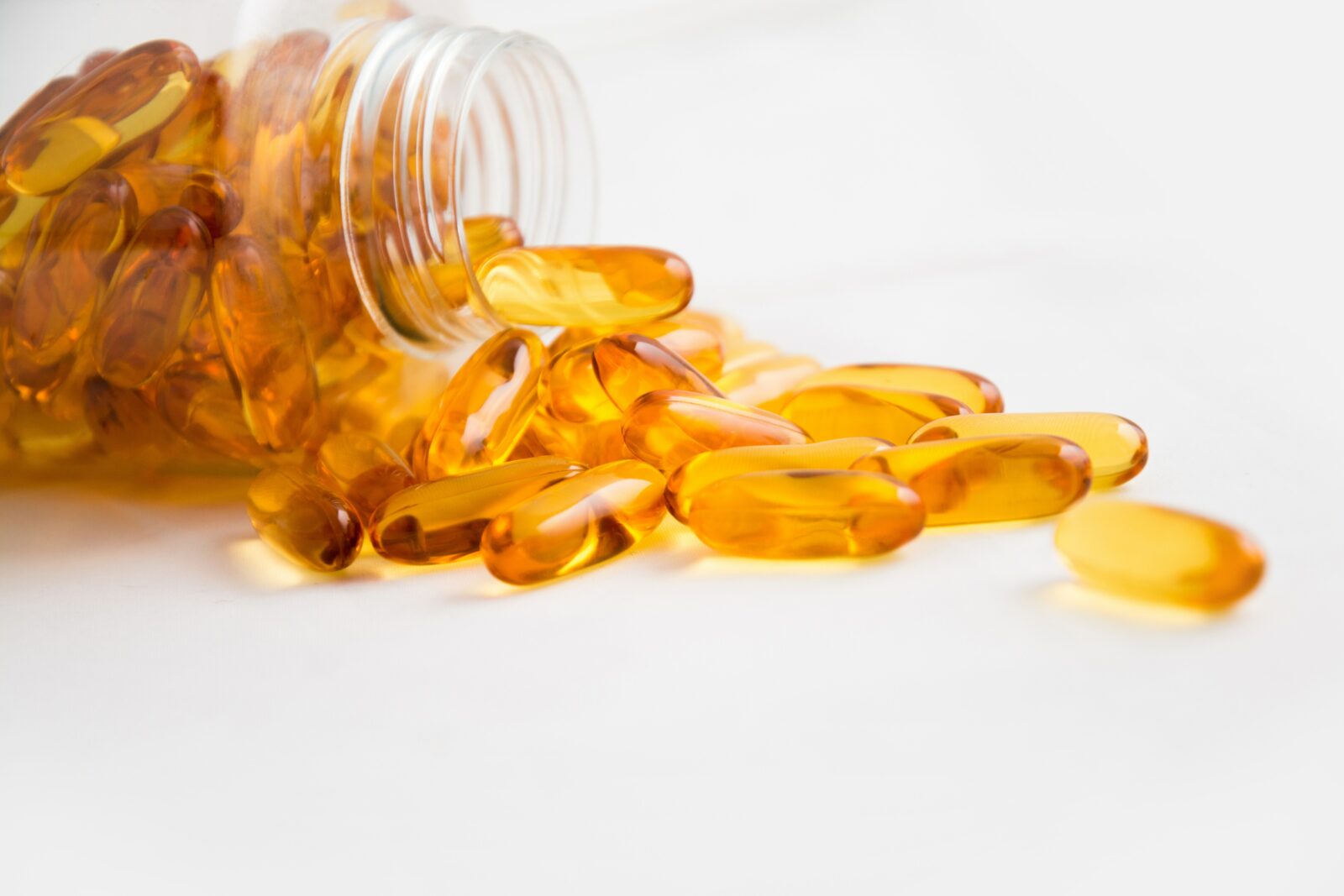
Did you know your brain has fat? In fact, over 50% of your brain’s dry weight comes from fat, and some are critical building blocks of cell membranes. These fats also play key roles in your brain’s function. For instance, omega-3 fatty acids help form cell membranes, keep the membranes pliable, and regulate chemical messengers like hormones that can affect your mood.
Research suggests that essential fatty acids like omega-e help lower triglycerides, regulate your heartbeat, slow atherosclerosis, and lower the risk of death in people diagnosed with heart disease.
Research also points to the potential for omega-3 fatty acids to play a role in treating depression.
Several studies suggest that natural sources of omega-3s, like fish oil, may help balance your mood. Is it powerful enough to produce results like antidepressants? Well, scientists are taking a harder look at a popular class of antidepressants called SSRIs (serotonin selective reuptake inhibitors). Just recently, a meta-analysis of the research showed that serotonin plays no role in depression, which means that the conventional wisdom that SSRIs help depression may be very wrong.
Interest in other natural supports for treating depression is growing. Let’s take a deeper look at omega-3s and fish oil in particular.
Fish oil and depression
For decades, scientists and the medical community focused on neurons, hormones, and neurotransmitters when studying the causes of depression. Very few researchers considered the most abundant substance in the brain.
In the early 90s, a psychiatrist at Harvard Medical School, Andrew Stoll, MD, began seeking alternatives to standard medications like lithium. Lithium is effective at treating bipolar disorder (manic depression), but some people couldn’t tolerate the side effects like tremors, weight gain, drowsiness, and flatness of affect. Some patients would stop taking their medication due to the unpleasant side effects.
Another class of medications to treat bipolar disorder includes anticonvulsants like gabapentin, carbamazepine, and valproate. Like lithium, these appear to work by stabilizing the membranes of neurons. Stoll looked for other substances that worked in a similar way and found an interesting match: fish oil.
Stoll studied omega-3s to learn more about them. Humans need omega-3s to survive, however, our bodies cannot synthesize them. In fact, omega-3s are considered essential nutrients, which include all vitamins and minerals, eight of the 20 amino acids (including lysine, valine, and leucine), and some (but not all) polyunsaturated fatty acids, including the omega-3 group. Some research suggests that a deficiency of omega-3s can harm the brain. A study published in the March 1999 issue of Psychiatry Research found that people suffering from major depression tend to have relatively low levels of omega-3s.
Research on omega-3s and depression
Does fish oil help alleviate depression? Some scientists are pointing to emerging research that shows fish oil is effective at treating depression. However, more research is needed before a definitive answer can be found.
In 2009, researchers found higher consumption of omega-3s is associated with lower depressive symptoms in women. Another study found that lower blood serum levels of omega-3s are related to major depression. A meta-analysis suggested that omega-3s could potentially treat depressive disorders, but not mania, while another study found that omega-3s significantly reduced mania and depression in juveniles.
One small, preliminary study investigated fish oil as a complementary treatment for bipolar disorder with encouraging results. The researchers found that large doses of fish oil significantly eased the symptoms of severe bipolar disorder, even in some patients who weren’t responding to drug treatment. The study had 30 participants whose medications did not alleviate their manic symptoms. Fourteen of the participants took 10 grams of fish oil every day, some while using other medications and some using the fish oil alone, while a small control group took olive oil.
While this study was small, it was conducted as a double-blind, placebo-controlled study that is, one set of patients was taking fish oil, while the other set was given a placebo. After four months of treatment, 11 of the 14 patients taking fish oil capsules reported fewer symptoms of depression, and only two had suffered a manic-depressive episode since the onset of the study. Yet, only three of the 16 patients taking the olive oil placebo said they felt any better, and nine had major attacks. The researchers stopped the study early due to ethical concerns about withholding appropriate treatments from the control group.
The researchers concluded that omega-3s may be effective in treating bipolar disorder along with conventional medications, which work primarily to prevent mania rather than prevent depression. Due to the small size of the study, the results will need to be reproduced in a much larger study for more definitive data.
Can I get enough omega-3s just by eating fish?
It’s difficult to consume enough omega-3 fatty acids just by a normal diet. Foods that contain them in abundant amounts include salmon, other cold-water fish, wild game, and free-range livestock, which are limited in the typical American grocery store.
To consume the amount of omega-3s used in the study noted above, you would need to consume up to 32 cans of tuna per day, which obviously isn’t possible or practical. But for the amount that may be needed for mood stabilization, the most practical way to obtain it would be fish oil or flaxseed oil supplements.
What’s the difference between omega-3s and other essential fatty acids?
Essential fatty acids come in two main types: omega-6s, which promote inflammation, which is sometimes necessary to fight invaders in the body; and omega-3s, which decrease inflammation and promote flexible cell membranes. Omega-6s can be found in corn oil and other vegetable and seed oils; omega-3s are in cold-water fish, wild game, walnuts, and certain kinds of seeds and vegetables. Both types are necessary for good health.
However, you need the right balance between omega-3s and omega-6s. Our western diet is overly abundant in omega-6s, which is one reason that scientists hypothesize that our diet contributes to inflammatory disease and the rise of depression rates in the United States. Correcting the imbalance – by increasing omega-3s and/or decreasing omega-6s – may have a host of health benefits.
Should I take fish oil?
If you suffer from depression and take medications, don’t simply stop taking your prescription and start consuming fish oil. Talk to your doctor first. Remember, the study suggested fish oil as a complementary treatment along with conventional treatment. But fish oil may be an encouraging addition to your current treatment. You may be able to take fish oil as a valuable adjunct to your therapy.
There are very few side effects to fish oil supplements. The over-the-counter supplements combine well with most medications, with one notable exception: blood thinners. People taking warfarin (Coumadin), high-dose aspirin, or any other blood thinner should always consult their physicians prior to taking fish oil since omega-3s also act to temporarily block platelet clumping.
Some side effects can include loose stools, diarrhea, or nausea. You can mitigate the effects by taking smaller doses with your meals instead of taking one large dose on an empty stomach. You should also take vitamin C and vitamin E supplements to prevent the oxidization of fatty acids.
A few other cautions: Be sure to read the labels carefully. Cod liver oil or any other oil made from fish liver may increase the risk of vitamin A or D toxicity. Try finding fish oil capsules that are highly concentrated in omega-3 fatty acids. Some brands are over 92 percent omega-3s, while others contain only 30 percent. Whatever product you buy, try taking one or two grams (1,000 to 2,000 milligrams) of omega-3s every day.