
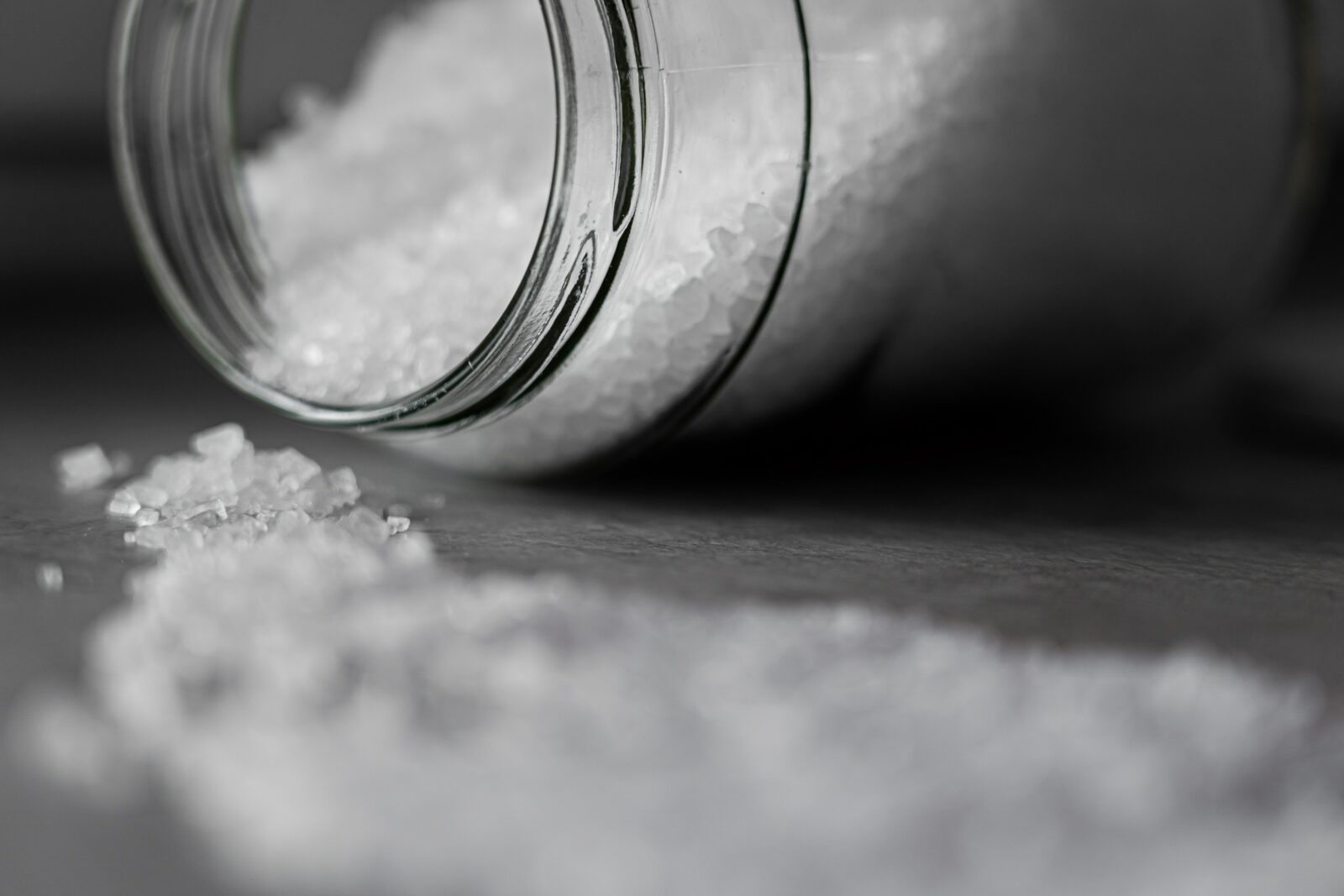
Sweet is a popular flavor. Salty is a close second. The high salt snack aisle and high sodium soups and frozen dinners at the grocery store attest to our affinity for salt. However, for many decades, health experts have advised us to be cautious about consuming too much sodium. They assert that too much salt is a causative factor in hypertension, which is a leading risk for kidney disease, heart disease, and strokes.
Sodium Deficiency
Some researchers are beginning to investigate this advice. One researcher, Dr. James DiNicolantonio, is a cardiovascular research scientist at Saint Luke’s Mid America Heart Institute in Kansas City. He has invested considerable time reviewing the research, policies, and history surrounding salt and how it affects our health.
He notes that salt deficiency also has dangers. He was prompted to initiate these reviews early in his medical career as a community pharmacist. Patients who came in to pick up their medication to lower their blood pressure would complain of rapid heartbeat, dizziness, and dehydration. In each case, the patient’s physician had recommended restricting salt intake. Dr. DiNicolantonio believed the symptoms sounded like sodium deficiency.
“Sure enough, when their doctors tested their sodium levels, they were very low,” DiNicolantonio said. “At that point, the doctor either stopped the medication or cut the dose in half, and the doctor would tell them to add salt back to their food.”
Over the last several decades, health experts have focused on the dangers of excessive salt. According to the Center for Science in the Public Interest, salt is “perhaps the deadliest ingredient in our food supply.”
Recommended Salt Intake Levels
Salt mainly consists of two essential minerals, sodium and chloride. Our systems need sodium for many processes: cardiovascular function, fluid balance, muscle contraction, and transmission of nerve impulses.
However, too much salt can increase blood pressure. Hence, health experts continue to advise us to limit salt intake.
The USDA recommends consuming no more than one teaspoon of salt per day. The U.S. Food and Drug Administration (FDA) recommends that we consume no more than 2,300 milligrams of sodium (about a teaspoon of salt) per day.
In general, most Americans consume double this amount. This is why the health experts argue that cutting salt intake may save lives and money. According to the American Heart Association (AHA), if Americans lowered their intake to 1,500 milligrams of sodium per day, it could result in approximately $26.2 billion in health care savings and reduce deaths from cardiovascular disease by almost 1.2 million over the next decade. These are estimates.
It’s hard to dismiss their figures. Still, some studies have shown that the drop in blood pressure due to a limited intake of sodium is small. In addition, only a small percent of the population will see better blood pressure numbers by lowering their salt intake. Other studies suggest that salt deficiencies may result in more damage than benefits.
A Cochrane review (the gold standard in independent scientific analysis) of 185 randomized controlled sodium studies found that low-sodium interventions lowered blood pressure an average of one point for people without high blood pressure (5.5 points for people with hypertension) while significantly raising levels of stress hormones, kidney hormones, and triglycerides.
Hypertension is a serious condition. The question is whether physicians routinely recommend limiting salt intake without taking into account that sodium deficiency may result in damage like hypothyroidism, increased heart rate, elevated insulin levels, and insulin resistance. Some studies have shown that salt deficiency may increase artery-stiffening hormones. These are the same hormones that some medications block to prevent heart attacks and strokes.
Other studies suggest that a low sodium diet may decrease a woman’s chances of becoming pregnant and increase the likelihood of miscarriage, infant mortality, and preeclampsia.
Salt in Food Preservation
Approximately 5% of our salt consumption comes from adding salt onto our food. Most comes in the form of the prepared foods we eat.
Food manufacturers use salt for both its flavor and its ability to prevent spoilage. Prior to modern refrigeration, salt was the primary food preservative because it protected against unhealthy pathogens, while allowing healthy bacteria to thrive. Cheese, sauerkraut, and pickles, among other fermented foods, have been shown to be beneficial to our gut microbiome. They are typically made with considerable amounts of salt.
Our ancestors consumed higher quantities of fermented foods than we do today. In ancient Rome, the people consumed around 3 times the amount of salt than today’s modern diet. In 17th century Sweden, the people ate about 10 times that amount than we do, much of it coming from salted cod.
In addition to flavoring food, salt has been used medicinally and as a preservative throughout recorded history. Yet, modern health experts continue to focus on salt’s dangers and pressure food manufacturers and restaurants to lower the sodium in their prepared foods.
Scientists are now looking at the unintended consequences. Lower salt consumption may encourage overgrowth of unhealthy bacteria or increase the risks of foodborne illness. And salt may prove to be a healthier food preservative than chemical substitutes.
Salt also provides food with a touch of sweetness because it cuts the bitterness. So food manufacturers inevitably add more sugar (or flavor-enhancing chemicals) to low-salt foods in order to make them taste more appetizing.
Consuming less salt may backfire causing us to consume more food to meet our sodium needs. Most people consume about 8 to 10 grams of salt (around 2 teaspoons) per day. Consuming less may prompt our appetites to eat much more food to get that amount. The American diet is high in refined carbohydrates and sugar, which drives obesity and diabetes.
Questioning the Salt Verdict
While the medical establishment acts as if the recommendations on sodium restriction are undisputable, other scientists and physicians continue to question the low-salt diet program since the first correlation between sodium consumption and elevated blood pressure was first suggested around 100 years ago.
In a 2015 Washington Post article questioning the validity of low-sodium recommendations in the U.S. Dietary Guidelines, Suzanne Oparil, professor of medicine at the University of Alabama–Birmingham and former president of the AHA, said the low-salt advice is “based on almost nothing.”
“Some people really want to hang on to this belief system on salt. But they are ignoring the evidence,” Oparil said.
A review of salt intake studies involving over 130,000 individuals from 49 countries was published in the Lancet in 2016. It found an association between low-sodium intake and “increased risk of cardiovascular events and death” in people with or without hypertension.
Since a low-salt diet was found to only have a modest effect on blood pressure, study authors concluded that sodium restriction was “best targeted at populations with hypertension who consume high-sodium diets,” not as a blanket restriction that applies to everybody.
In a press release, Andrew Mente, contributing researcher and professor at McMaster University in Ontario, said that in addition to a small reduction in blood pressure, restricting sodium can also adversely raise certain hormones, “which may outweigh any benefits.”
“The key question is not whether blood pressure is lower with very low salt intake. Instead, it is whether it improves health,” Mente said.
But these scientists who question the low sodium diet advice are unlikely to impact official policy. According to the AHA website: “The science behind sodium reduction is clear. Robust evidence has linked excess sodium intake with high blood pressure, which increases the risk of heart attack, stroke, and heart failure.”
These are strongly worded statements. But researchers like Dr. DiNicolantonio say the science does not prove those statements.
“There has never been a single study where people are given the same diet but the only difference is the level of salt intake to prove their recommendations,” he said. “We can say that with certainty.”
*If your physician has recommended a low-sodium diet, please check with your health care provider before making changes.