
In a groundbreaking revelation that may well echo through the annals of health and wellness, recent scientific studies have illuminated the remarkable capabilities of Vitamin C, not just as a simple supplement, but as a rejuvenating substance with profound effects on skin health and hormonal balance. This discovery taps into the age-old quest for the mythical Fountain of Youth, suggesting that the secret may lie in the very nutrients we consume.
The Science of Vitamin C and Skin Health
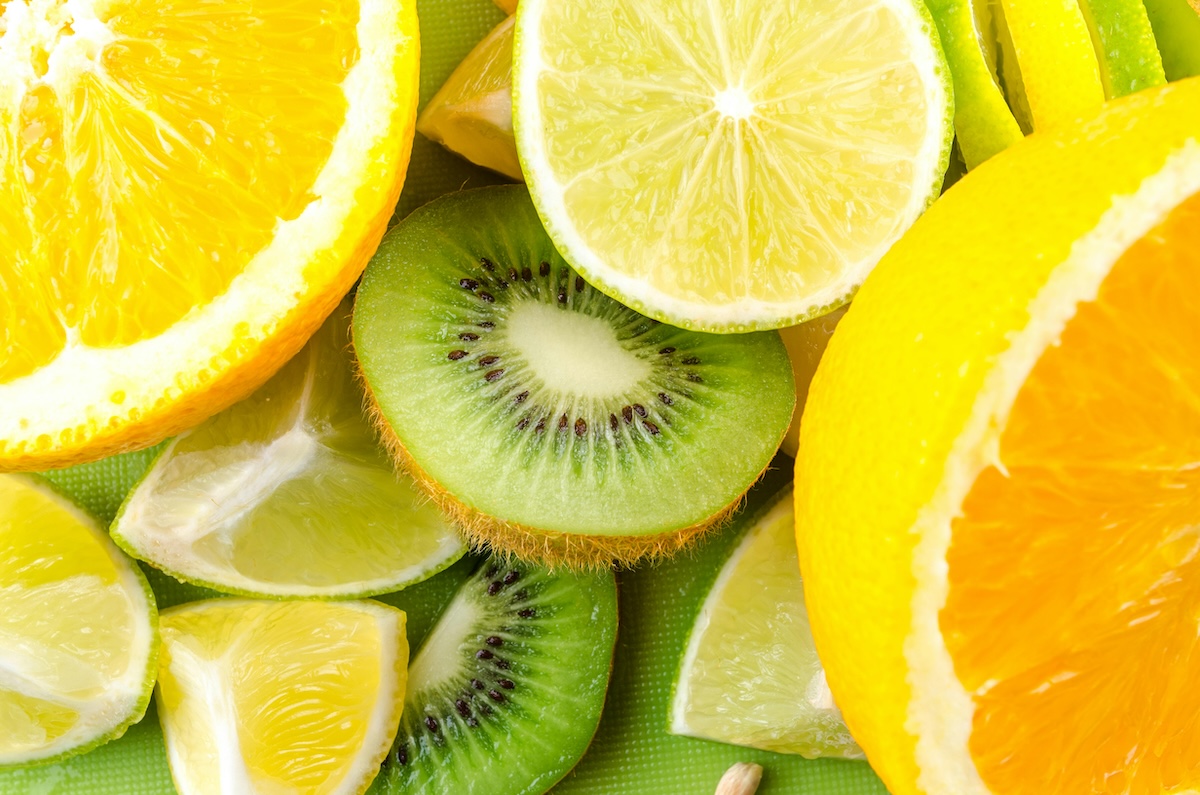
Vitamin C, a water-soluble vitamin found abundantly in fruits like berries, kiwifruit, and citrus, as well as in green leafy vegetables, is famed for its antioxidant properties. However, its role extends beyond the mere elimination of free radicals. It is a critical substance in the synthesis of collagen, a protein that is foundational to the maintenance and repair of skin tissue. Collagen’s importance can hardly be overstated; it keeps our skin firm, supple, and youthful. As we age, collagen production naturally declines, leading to the common signs of aging skin.
But how does Vitamin C turn back the clock? Studies indicate that Vitamin C stimulates the production of collagen and helps repair damaged skin cells. It is also involved in healing wounds and reducing the appearance of wrinkles. Moreover, its antioxidant capability protects the skin from harmful radiation, a significant factor in aging skin and diseases such as skin cancer.
Vitamin C and Hormonal Health
The influence of Vitamin C extends into the realm of hormonal health, where it acts not just as a nutrient but as a regulator. Hormones, the chemical messengers of the body, govern a vast range of processes from growth and metabolism to mood and immune response. Stress and anxiety, prevalent in modern life, can disrupt hormonal balance, leading to a multitude of health issues.
Vitamin C has been shown to help in reducing these stress hormones, notably cortisol, thus mitigating the effects of stress on the body. This reduction is crucial not only for mental health but also for preventing stress-related nutritional deficiencies and hormonal imbalances.
Diet, Antioxidants, and Disease Prevention
The benefits of Vitamin C are amplified when combined with other antioxidants, particularly those that are fat-soluble, such as vitamin E and beta-carotene. These antioxidants work synergistically to enhance each other’s effects, especially in combating oxidative stress—a condition linked to chronic diseases and premature aging.
A diet rich in these antioxidants—incorporating a variety of berries, kiwifruit, and green leafy vegetables—provides a robust defense against the oxidative stress caused by environmental factors, including pollution and radiation. This nutritional approach not only supports skin health but also bolsters the body’s defenses against diseases, including skin cancer and other age-related conditions.
The Real-World Impact of Vitamin C
The implications of these findings are profound. Incorporating a high-Vitamin C diet or supplements can lead to visible improvements in skin texture and firmness, suggesting a viable, natural alternative to cosmetic procedures and synthetic drugs. For those suffering from aging skin or hormonal imbalances, Vitamin C offers a beacon of hope.
Future Directions
As research continues, the potential applications of Vitamin C in preventive medicine and anti-aging treatments are promising. The scientific community is keen on exploring deeper into how dietary vitamins can mimic the effects of more invasive rejuvenation techniques, providing a healthier, more sustainable approach to combating the signs of aging.
Conclusion
The discovery of Vitamin C’s role in skin and hormonal health may not be the mythical Fountain of Youth of lore, but it certainly offers a scientifically backed pathway to a healthier, more youthful appearance and better overall hormonal health. This vitamin, so simple yet powerful, underscores the adage that sometimes, the best solutions are those nature provides. By embracing a diet rich in Vitamin C and other antioxidants, we can protect ourselves from the ravages of time and disease, leading not just to longer life, but to a better quality of life as well.