
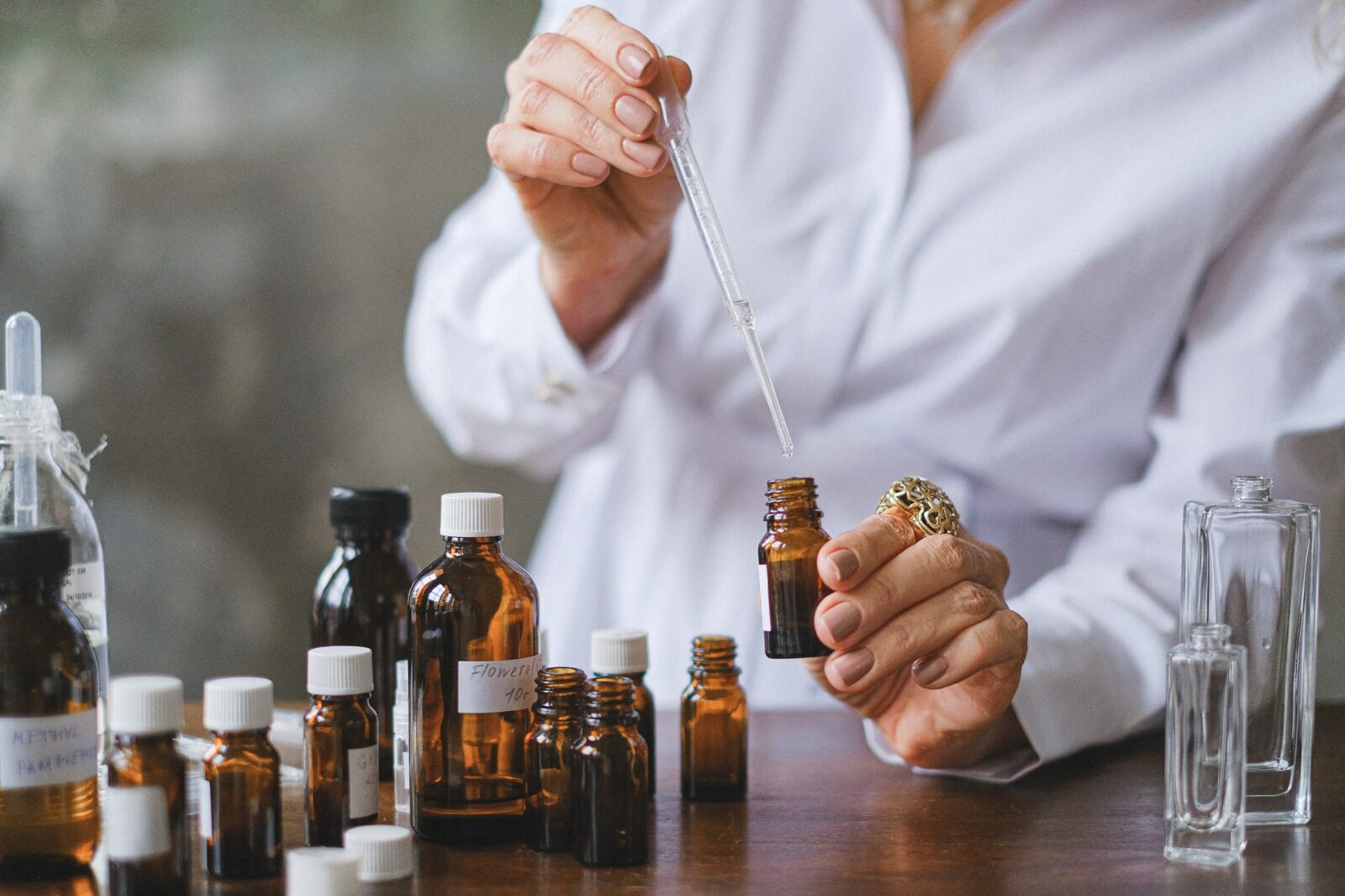
Of the five senses, the sense of smell is believed to have the most transformative power to take us back into a moment in time. This article delves into the profound effects of fragrances on our memory and explores the consequential physiological impacts they have on our health.
The historical significance of fragrances
Fragrances have been utilized for thousands of years across various cultures. Traditional Chinese medicine, for instance, has incorporated aromatic herbs like Murraya and Elsholtzia in treating ailments. Additionally, numerous references to perfumes and fragrances can be found in the Bible, including the well-known gift of frankincense to Jesus.
The shift to synthetic fragrances
In the 20th century, the fragrance industry underwent a significant change as it transitioned from using botanicals to synthetic fragrances. This shift was fueled by advancements in chemical technology, which allowed for the creation of lab-made fragrances. However, this transformation has led to unforeseen health consequences that impact both present generations and future offspring.
The impact of fragrances on hormones
Research suggests that many fragrance ingredients disrupt the delicate balance of hormones in our bodies. These compounds, known as endocrine-disrupting chemicals (EDCs), mimic natural hormones, leading to dysregulation within the endocrine system. Exposure to EDCs through scented products such as candles, makeup, and laundry detergents can contribute to early puberty, reproductive and developmental harm, and an increased risk of breast cancer.
Beyond hormones: wide-ranging effects of fragrances
Studies have demonstrated that certain fragrance ingredients, including phthalates, can impair fertility and increase the likelihood of breast cancer. Moreover, these chemicals penetrate the bloodstream through the skin, disrupting endocrine homeostasis and contributing to developmental abnormalities, miscarriages, preterm births, and lower birth weights. Maternal exposure to phthalates has also been associated with higher rates of obesity in developing children.
Questionable regulation of fragrance ingredients
Despite mounting evidence against the safety of certain fragrance chemicals, regulatory agencies have not taken decisive action. The FDA, for example, limited specific phthalates used in food packaging but stopped short of a complete ban due to the need for additional evidence. Critics argue that lobbying by chemical companies influences regulatory agencies and elected lawmakers, hindering stricter regulations.
Natural vs. synthetic fragrance
Differentiating between natural and synthetic fragrances is not straightforward. Fragrance ingredients do not need to be disclosed on product labels, and the terms “fragrance” and “natural fragrance” can encompass numerous components. Natural fragrances are derived from botanical sources, while synthetic fragrances are composed of manmade chemicals. However, the term “natural” lacks standardized regulation, making it challenging to compare between brands. Some ingredients found in natural fragrances have been associated with health complications, emphasizing the need for ingredient transparency.
The ubiquity of fragrances
Fragrances permeate many aspects of our lives, from personal care products to household cleaning items. The prevalence of scents in everyday products raises concerns about overexposure and the need to appreciate natural scents. Embracing the freshness of clean air and reconnecting with nature’s scents can provide a more balanced and healthier approach to fragrance consumption.
Conclusion
The power of fragrances to evoke memories and emotions is undeniable, but their impact extends beyond nostalgia. Synthetic fragrances containing potentially harmful chemicals have raised concerns about their effects on our health, particularly hormonal balance and the risk of diseases like cancer. Stricter regulations, increased ingredient transparency, and a shift towards embracing natural scents can help mitigate the potential risks associated with fragrances and promote a healthier lifestyle.