
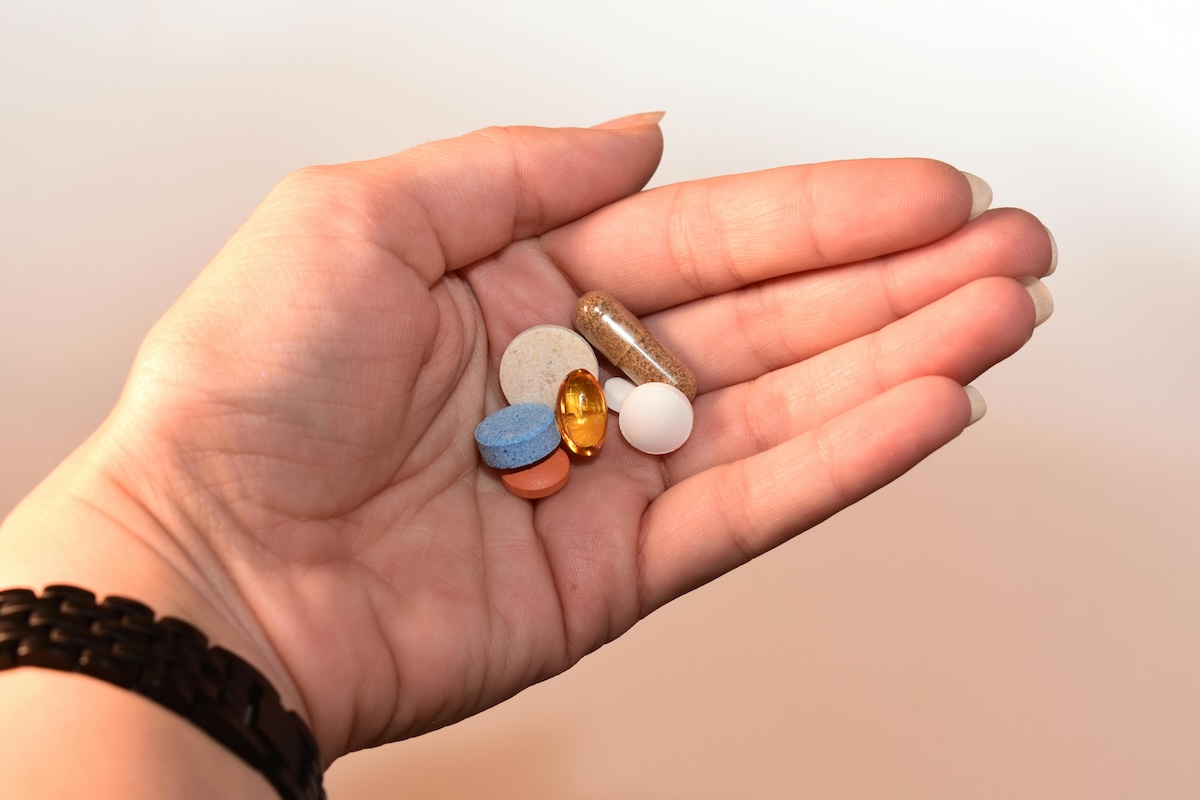
In the world of integrative medicine, we strive to treat the whole person, considering not just the immediate medical needs but also the broader implications of our treatments on both personal health and the environment. One of the most pressing, yet often overlooked, issues in modern healthcare is the environmental impact of pharmaceuticals. Drugs, from everyday painkillers to potent antibiotics and antidepressants, are increasingly contaminating our water supplies, affecting wildlife, and potentially contributing to a cycle of resistance and disease in both humans and the broader ecosystem.
The Unseen Contamination
Pharmaceuticals enter our environment through various pathways. When we take medications, our bodies do not use all of it; what isn’t metabolized is excreted, entering sewage systems. Traditional wastewater treatment plants are not designed to remove these chemical compounds, leading to their release into rivers, lakes, and eventually oceans. Additionally, improper disposal of unused medications, agricultural runoff from livestock treated with drugs, and industrial discharges contribute to this silent pollution.
- Antibiotics: These are particularly concerning because their presence in water can lead to the development of antibiotic-resistant bacteria, a global health nightmare. When these resistant strains find their way back into human populations, we’re dealing with infections that are harder, if not impossible, to treat with existing drugs.
- Hormones: Estrogen from birth control pills and hormone replacement therapies can disrupt aquatic life, leading to phenomena like the feminization of male fish, impacting reproduction and population dynamics.
- Antidepressants and Painkillers: These drugs can alter the behavior of wildlife, affecting everything from predation patterns to mating behaviors. For instance, studies have shown that antidepressants can cause fish to become less risk-averse, making them more vulnerable to predation.
The Political Landscape and Regulatory Gaps
The current political and regulatory environment has largely failed to address this issue head-on. There’s a significant disconnect between public health policy, environmental protection, and pharmaceutical regulation:
- Lack of Comprehensive Regulation: There are no stringent regulations specifically targeting pharmaceutical pollutants in most countries. The focus is often on industrial waste or agricultural runoff, leaving pharmaceutical pollution in a regulatory gray area.
- Political Influence: The pharmaceutical industry wields considerable influence over policy-making. This can lead to legislation that prioritizes industry interests over environmental health, with lobbying efforts often overshadowing the need for sustainable drug disposal and usage practices.
- Public Awareness and Education: There’s a stark lack of public education on how to dispose of medications properly. Many people flush medications down the toilet or throw them in the trash, directly contributing to environmental contamination.
The Call for Sustainable Medicine
As an integrative medicine physician, I advocate for a shift towards practices that reduce our pharmaceutical footprint:
- Natural Alternatives: For many conditions, natural remedies or integrative therapies can be effective. From herbal medicine to acupuncture, these methods can often manage symptoms or treat conditions without the environmental impact of synthetic drugs.
- Pharmacogenomics: This field studies how genes affect a person’s response to drugs. By tailoring medication to an individual’s genetic makeup, we can reduce unnecessary drug use, thus decreasing environmental release.
- Better Waste Management: Advocating for and implementing systems for proper disposal of medications, like take-back programs or drug take-back days, can prevent pharmaceuticals from entering the environment.
- Research into Eco-friendly Drug Design: There’s a need for pharmaceuticals designed with biodegradability in mind, or at least, with less environmental persistence. Research should be funded to develop drugs that do not accumulate in the environment.
- Education and Policy Advocacy: Educating healthcare professionals and patients on the environmental impact of pharmaceuticals is crucial. Policy should be influenced to incorporate environmental impact assessments for new drugs, akin to how we scrutinize their health effects.
The Ripple Effect on Health
The environmental impact of pharmaceuticals doesn’t just affect wildlife; it has a boomerang effect on human health:
- Antibiotic Resistance: As mentioned, this is perhaps the most direct and dangerous consequence. The rise of superbugs resistant to multiple antibiotics could revert us to a pre-antibiotic era, where simple infections become deadly.
- Endocrine Disruption: Exposure to hormone-disrupting chemicals from pharmaceuticals can affect human reproductive health, potentially leading to issues like early puberty, infertility, or increased cancer risks.
- Mental Health: The impact on wildlife behavior from antidepressants in water could have unforeseen effects on ecosystems that humans rely on, indirectly influencing our mental health through changes in food supply or nature’s therapeutic benefits.
Practical Steps for Change
Moving forward, here are actionable steps we can take:
- Personal Responsibility: When possible, choose natural or integrative treatments. If pharmaceuticals are necessary, be vigilant about not overusing or improperly disposing of them.
- Community Action: Support or volunteer for local drug take-back programs. Educate your community on the importance of proper drug disposal.
- Advocacy: Lobby for stronger environmental regulations concerning pharmaceuticals. This can be through voting for politicians who prioritize environmental health or supporting organizations pushing for policy changes.
- Healthcare Reform: Physicians should be trained to consider environmental impact in prescribing practices, promoting alternatives when suitable and educating patients on drug stewardship.
- Research: Fund and promote research into less environmentally harmful medications and into the impact of existing pharmaceuticals on ecosystems.
Conclusion
The environmental impact of pharmaceuticals is a complex issue that intersects with public health, economics, politics, and ethics. As an integrative medicine practitioner, I see a path forward that respects both human health and the health of our planet. By advocating for sustainable medicine practices, we can mitigate the unintended consequences of our pharmaceutical dependency. This isn’t just about protecting our water or wildlife; it’s about ensuring that future generations inherit a world where the medicine we use today does not compromise the health of tomorrow. It’s time for a paradigm shift in how we view, use, and dispose of medications, acknowledging that our health is intrinsically linked to the health of the environment.