
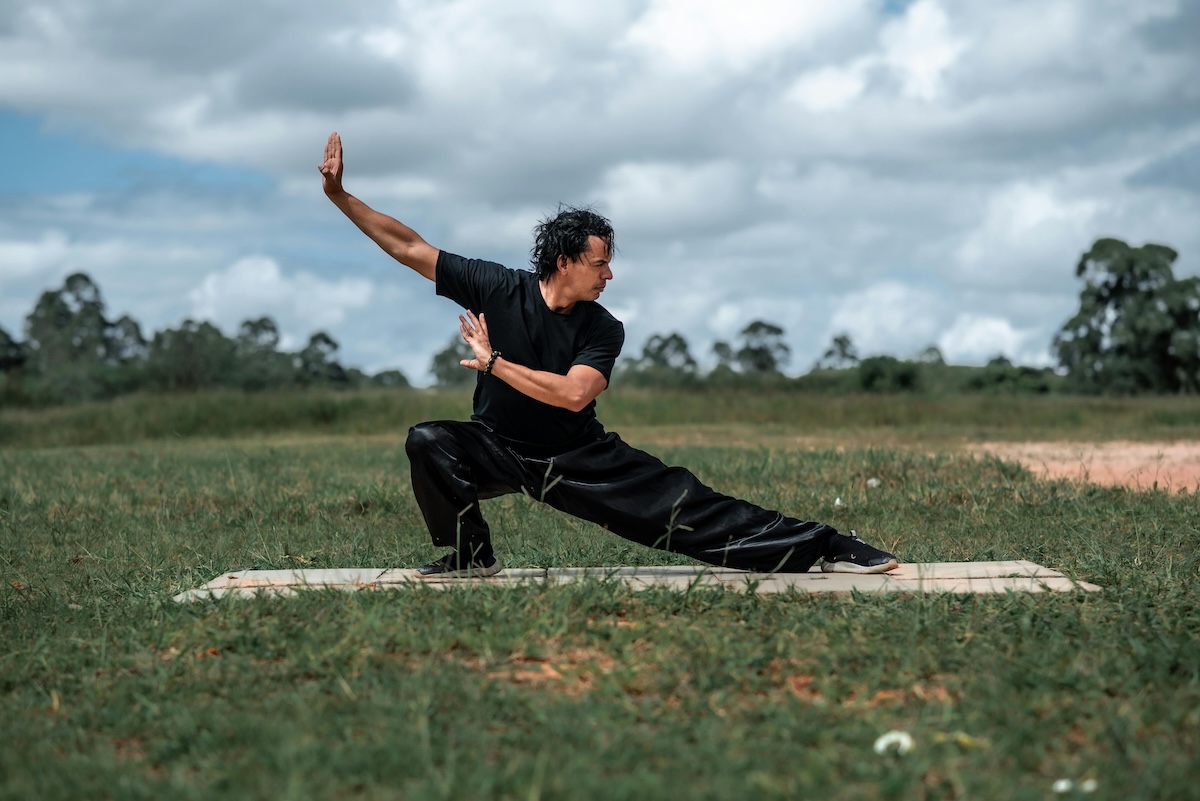
In a world where chronic low back pain affects millions, an ancient Chinese practice is gaining recognition as a scientifically supported solution, offering a new path for those seeking alternatives to traditional treatments.
Understanding Chronic Low Back Pain
Chronic low back pain (CLBP) is a widespread condition affecting up to 20% of adults globally. This persistent issue not only diminishes individual quality of life but also places a significant economic strain on healthcare systems worldwide. CLBP is defined by pain that persists for more than 12 weeks, often resulting in reduced mobility, decreased productivity, and overall diminished well-being.
Current Approaches to Treatment
The management of CLBP typically involves a combination of medication, physical therapy, and, in some cases, surgery. While these methods can be effective for some patients, they often have limitations and potential side effects. Drugs such as NSAIDs and opioids, commonly used for pain relief, can lead to gastrointestinal problems, addiction, and other adverse effects with prolonged use. Physical therapy, while beneficial, may not address the complex nature of chronic pain, which often involves both physical and psychological aspects.
The limitations of these conventional treatments have prompted researchers and healthcare providers to explore alternative and complementary therapies, including mind-body practices like Tai Chi.
A recent meta-analysis published in PLOS One has highlighted the potential of Tai Chi as a viable treatment for CLBP. The study, titled “Effects of different parameters of Tai Chi on the intervention of chronic low back pain: A meta-analysis,” was conducted by Hailun Kang and colleagues to assess the efficacy of Tai Chi in treating CLBP patients and to investigate factors influencing its effectiveness.
Methodology
The researchers conducted an extensive search across eight databases, including PubMed, Embase, and The Cochrane Library. They identified 10 randomized controlled trials (RCTs) that met their criteria for inclusion. The primary outcomes studied were pain intensity and disability, with secondary outcomes including quality of life measures.
Findings
The meta-analysis showed substantial evidence supporting the effectiveness of Tai Chi in managing CLBP. Key findings include:
- Pain Reduction: Tai Chi significantly reduced pain intensity, with a Weighted Mean Difference (WMD) of -1.09 (95% CI: -1.26, -0.92, p < 0.01).
- Improved Disability: Participants showed significant improvements in disability measures, with a Standard Mean Difference (SMD) of -1.75 (95% CI: -2.02, -1.48, p < 0.01).
- Enhanced Quality of Life: Both physical and mental health aspects of quality of life improved significantly among Tai Chi practitioners.
- Minimal Adverse Effects: The study reported a low incidence of adverse reactions, indicating Tai Chi as a safe intervention for CLBP patients.
The researchers concluded, “Tai Chi has an obvious effect in relieving chronic low back pain. Tai Chi alone and Tai Chi as supplementary therapy have good effects.”
While the PLOS One study focuses specifically on CLBP, a comprehensive review of the literature highlights the broader potential of Tai Chi across various health conditions. This review, encompassing nearly 200 studies, points to Tai Chi’s positive effects on over 90 health conditions and biomarkers.
Some significant areas where Tai Chi has shown promise include:
- Cognitive Function: Multiple studies suggest Tai Chi may enhance cognitive performance and potentially slow cognitive decline in older adults.
- Cardiovascular Health: Research indicates Tai Chi’s potential in managing hypertension and improving overall heart health.
- Mental Health: Studies have found Tai Chi effective in reducing symptoms of depression and anxiety.
- Balance and Fall Prevention: Particularly relevant for older adults, Tai Chi has demonstrated benefits in improving balance and reducing the risk of falls.
Final Thoughts
The growing evidence supporting Tai Chi as an effective treatment for chronic low back pain marks a significant advancement in pain management strategies. Its low-risk nature, coupled with its ability to address both the physical and psychological aspects of chronic pain, positions Tai Chi as a valuable addition to conventional treatments.
As research continues to uncover the diverse benefits of this ancient practice, healthcare providers and patients may find in Tai Chi a powerful tool for improving overall health. The transition from ancient wisdom to evidence-based practice exemplifies the potential of integrative approaches in addressing complex health issues such as chronic low back pain.