
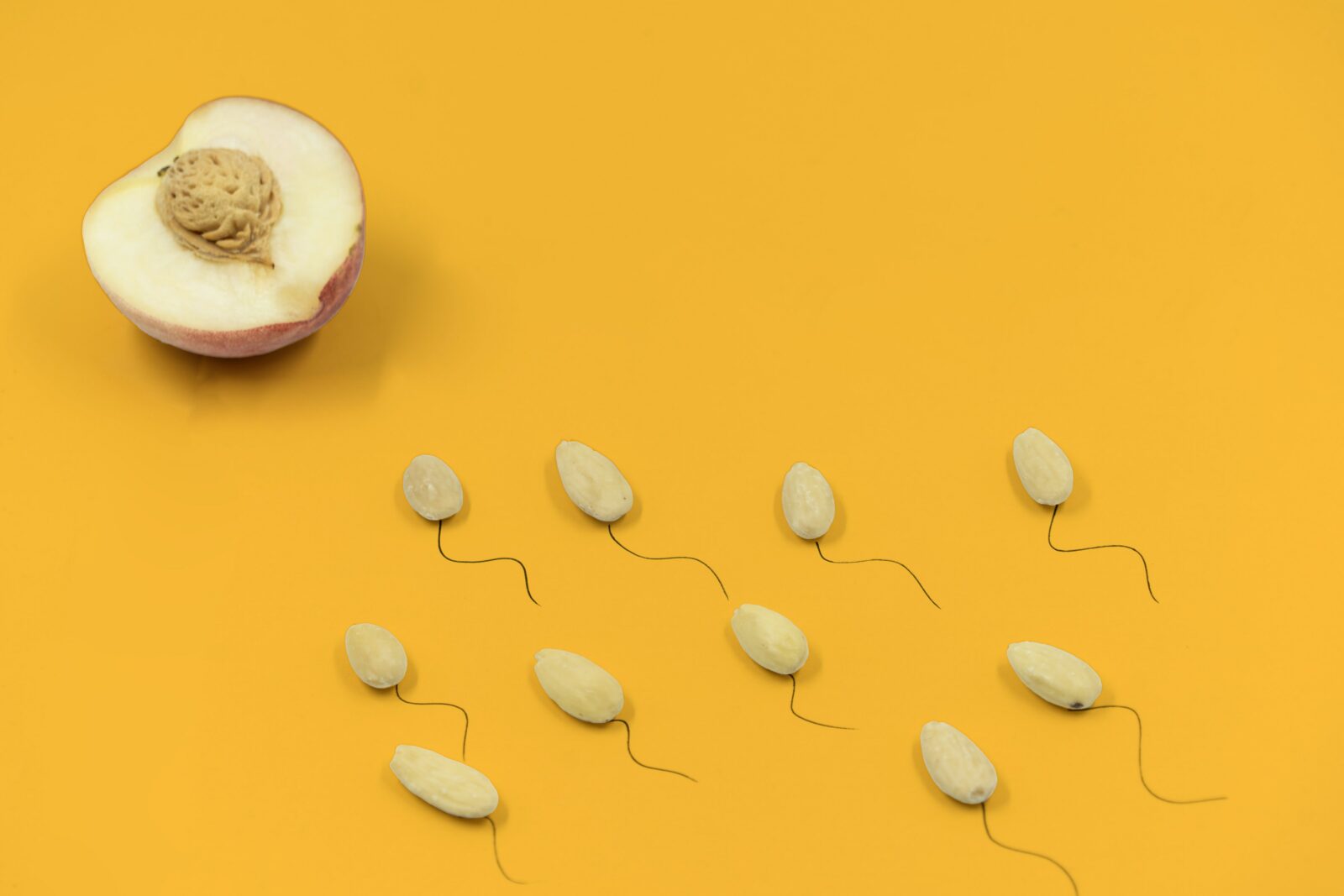
Sperm count is a critical measure of male fertility, and it has been consistently declining in recent decades. Sperm counts have decreased by an alarming 50% in the last 40 years. This decline has caused concern among experts, policymakers, and individuals alike. The decline in sperm count is a complex issue, and there are several factors that contribute to this phenomenon. This article examines the causes of the decline in human male sperm counts and explores ways to counteract and reverse the decline.
Environmental factors:
Environmental factors play a significant role in the decline of human male sperm counts. Exposure to chemicals in the environment can have adverse effects on the male reproductive system. Several studies have linked exposure to chemicals, such as pesticides, phthalates, and bisphenol A (BPA), to reduced sperm count and quality. These chemicals are commonly found in everyday products, such as plastics, personal care products, and food packaging. Pesticides, in particular, have been linked to reduced sperm count and motility in several studies.
A meta-analysis conducted by Dr. Shanna Swan and her colleagues found that exposure to environmental chemicals, such as phthalates and BPA, is associated with a reduction in sperm count and quality. The study, which analyzed data from nearly 200 studies and over 40,000 men, found that exposure to these chemicals is linked to a 52.4% decline in sperm concentration and a 59.3% decline in total sperm count over a 38-year period (Swan et al., 2017).
Lifestyle factors:
Lifestyle factors also contribute significantly to the decline in human male sperm counts. Poor dietary habits, lack of physical activity, and stress are among the leading causes of reduced sperm count and quality. A sedentary lifestyle and a diet high in processed foods, saturated fats, and sugar can lead to obesity, which is linked to reduced sperm count and quality. Stress is also a significant contributor to the decline in sperm count, as it can lead to hormonal imbalances that affect the male reproductive system.
Several studies have linked smoking and alcohol consumption to reduced sperm count and quality. Both smoking and alcohol have been shown to have negative effects on the male reproductive system. Smoking, in particular, is known to damage DNA in sperm cells, leading to reduced sperm count and motility. Alcohol consumption, on the other hand, can lead to hormonal imbalances that affect the production of sperm.
Counteracting the factors and reversing the decline:
Counteracting the factors that contribute to the decline in human male sperm counts is critical to reversing this trend. Reducing exposure to environmental chemicals is a crucial step in improving male reproductive health. Individuals can take steps to reduce their exposure to pesticides, phthalates, and BPA by choosing organic foods, avoiding plastic containers, and using personal care products that are free from these chemicals.
Adopting a healthy lifestyle is also essential in improving male reproductive health. Eating a diet rich in fruits, vegetables, whole grains, and lean proteins can help improve sperm quality and count. Regular exercise can also help maintain a healthy weight and reduce stress, both of which are crucial in improving male reproductive health.
Avoiding smoking and alcohol is also crucial in improving male reproductive health. Smoking cessation is associated with improvements in sperm quality and count, while reducing alcohol consumption can help prevent hormonal imbalances that affect sperm production.
A Complex Issue
The decline in human male sperm counts is a complex issue that requires a multifaceted approach to address. Environmental factors, such as exposure to chemicals, and lifestyle factors, such as poor diet and lack of exercise, are significant contributors to this phenomenon. Taking steps to reduce exposure to environmental chemicals and adopting a healthy lifestyle can help improve male reproductive health and reverse the decline in sperm count and quality. Further research is needed tofully understand the causes of the decline in male sperm counts and to develop effective interventions to counteract this trend.
One area of research that requires further exploration is the impact of emerging technologies on male reproductive health. For example, there is evidence to suggest that exposure to electromagnetic radiation from electronic devices can have adverse effects on sperm count and quality (Gorpinchenko et al., 2018). As the use of technology continues to grow, it is essential to understand how it may impact male reproductive health and develop strategies to mitigate any potential risks.
Final thoughts
The decline in human male sperm counts is a pressing issue that requires immediate attention. Environmental and lifestyle factors contribute significantly to this phenomenon, and individuals, policymakers, and experts must take action to address these underlying causes. By reducing exposure to environmental chemicals, adopting healthy lifestyle habits, and further researching the impact of emerging technologies on male reproductive health, we can work towards reversing the decline in male sperm counts and ensuring reproductive health for future generations.
REFERENCES:
Gorpinchenko, I., Nikitin, O., Blyuss, O., Shulyak, A. (2018). The influence of direct mobile phone radiation on sperm quality. Central European Journal of Urology, 71(2), 189-196.
Swan, S. H., et al. (2017). “Temporal trends in sperm count: a systematic review and meta-regression analysis.” Human Reproduction Update, 23(6), 646-659.Levine, H., Jørgensen, N., Martino-Andrade, A., Mendiola, J., Weksler-Derri, D., Mindlis, I., … & Skakkebaek, N. E. (2017). Temporal trends in sperm count: a systematic review and meta-regression analysis. Human Reproduction Update, 23(6), 646-659.
Jurewicz, J., Radwan, M., & Hanke, W. (2019). Environmental factors and semen quality. International Journal of Occupational Medicine and Environmental Health, 32(5), 617-641.
Nassan, F. L., Chavarro, J. E., & Tanrikut, C. (2018). Diet and men’s fertility: does diet affect sperm quality? Fertility and Sterility, 110(4), 570-577.
Shi, J., Zheng, T., Zhang, Y., Kuroki, H., Payne, J., & Zhang, X. (2017). The effects of exercise on semen quality and pregnancy outcomes in infertile men: a systematic review and meta-analysis. International Journal of Environmental Research and Public Health, 14(11), 1310.
Swan, S. H. (2013). Environmental phthalate exposure in relation to reproductive outcomes and other health endpoints in humans. Environmental Research, 108(2), 177-184.
Mínguez-Alarcón, L., Chavarro, J. E., & Mendiola, J. (2019). Cut-off point defining low semen quality is dependent on maternal age and paternal age in reproductive-aged men. Human Reproduction, 34(10), 1866-1875.