
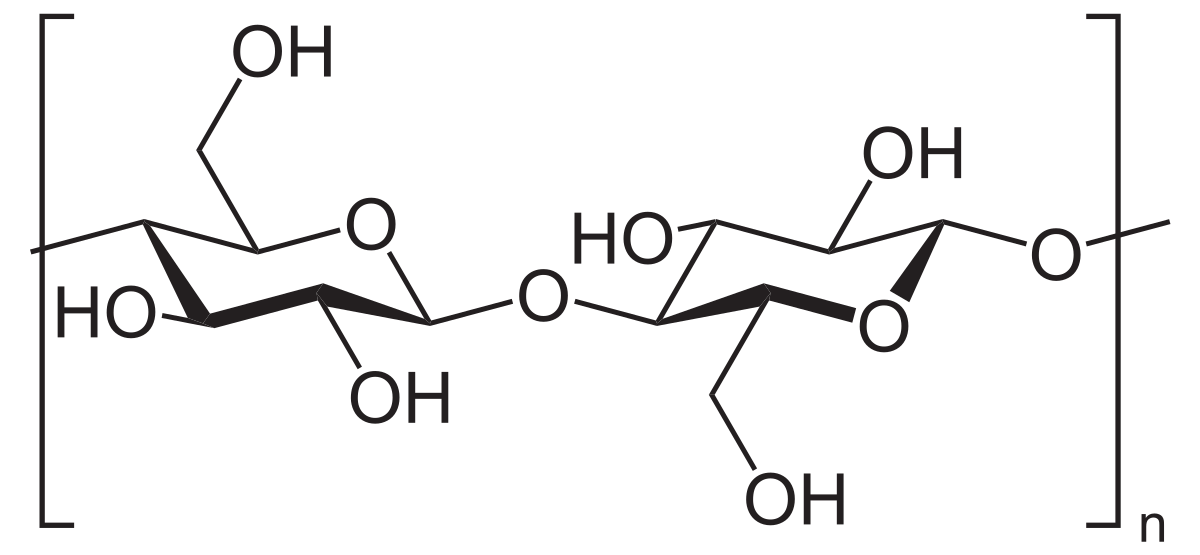
A certain type of beta-glucan may benefit your innate immune system, which includes natural killer (NK) cells, neutrophils, and macrophages. Beta-glucans are naturally occurring long-chain carbohydrates known as polysaccharides, found in fungi, yeast, and seaweed.
Research suggests that beta-glucans may be useful for stimulating the immune system and keeping cancer and infectious diseases at bay.
Beta-glucans protect against cancer and infectious diseases
Researchers conducted a key study on mice, which found that those injected with beta-glucan were not affected by a dangerous bacterial infection, while animals that didn’t receive beta-glucan died. Beta-glucan has no antibacterial properties. Therefore, the scientists hypothesized that it works by strengthening the body’s immune system.
The lead investigator, Dr. Rolf Seljelid, professor emeritus at the University of Tromsø in Norway, suspected that beta-glucans may also have a role in treating cancer. His research produced promising results. When mice with cancerous tumors received beta-glucan intravenously, their tumors disappeared.
Beta-glucans have been used in Japan as a treatment for cancer since 1980. An article in Medicina in 2007 reported that beta-glucans can prevent oncogenesis, which is the process by which healthy cells become cancer cells.
In addition, beta-glucans may reduce inflammation associated with cancer and fight against metastasis, tumor drug resistance, and cancer recurrence. Currently, the Memorial Sloan Kettering Cancer Center in New York is investigating whether the combination of beta-glucans and cancer vaccines can effectively children with severe neuroblastoma.
So far, those subjects that received the beta-glucan in conjunction with the cancer vaccine had much higher survival rates than those who received conventional treatments. With a typical survival rate of 40% to 50% within 5 years, these results are very promising.
“They have been working for years with a vaccine, which has a limited effect. But with the combination of the vaccine plus beta-glucan, around 90% of children were alive after five years. It is absolutely sensational,” Seljelid said.
The Memorial Sloan Kettering Cancer Center has even applied for a patent for beta-1,3 / 1,6-glucan for use with cancer and along with vaccines for influenza. In January 2020, a team of Italian researchers also reported that beta-glucans may help control cancer. They stated:
“A main feature of β-glucans is their capacity to function as biological response modifiers, exerting regulatory effects on inflammation and shaping the effector functions of different innate and adaptive immunity cell populations. The potential to interfere with processes involved in the development or control of cancer makes β-glucans interesting candidates as adjuvants in antitumor therapies as well as in cancer prevention strategies.”
Beta-glucans may ward off viral and bacterial infections
In a serendipitous accident, Professor Jan Raa, Professor Emeritus at the University of Tromsø, discovered the infection-fighting properties of beta-glucans. He conducted research on the use of fungi and bacteria as feed for farmed salmon. 18 tanks of the salmon became contaminated by Hitra diseach, which is frequently fatal to salmon.
Three of the tanks were not included in the study. Raa had included beta-glucan in the feed of those three tanks. 90% of the salmon in non-beta-glucan tanks died from Hitra disease. Only 20% of those fed beta-glucan died from the disease.
Currently, beta-glucans are widely used in animal feeds. Later studies by Raa suggest that beta-glucan may help against viral infections such as influenza. “Studies we conducted at the Norwegian Institute of Public Health, which showed that beta-1,3 / 1,6-glucan led to a sharp increase in T cells that protect very effectively against influenza virus,” Raa said.
Now, both Seljelid and Raa are researching whether beta-glucan can prevent COVID-19. In addition, Raa is working on a study looking into whether beta-glucan can help prevent flu and COVID-19 in nursing homes.
Additional beta-glucan benefits
In addition to the immune system stimulating and anticancer properties, beta-glucans may help with fat metabolism, which helps support better cholesterol levels and weight loss. They may also stimulate the growth of beneficial bacteria in the gut by acting like a prebiotic.
One study showed that beta-glucans increased the growth of lactobacillus plantarum. And, they protected probiotics from gastrointestinal stress resulting from bile salts, low pH, and digestive enzymes. The result was a higher survival rate as they went through the digestive system.
Beta-glucans may improve insulin resistance by decreasing post-meal insulin and glucose responses, improve glycemic control, and improve insulin sensitivity in both diabetic and non-diabetic people.
Smaller amounts of beta-glucans may be required to achieve the same results compared to other types of soluble fiber known to affect insulin response. According to researchers from the University of Toronto, “The fermentability of β-glucans and their ability to form highly viscous solutions in the human gut may constitute the basis of their health benefits.”
Final thoughts
Beta-glucan is a common dietary supplement found in many health stores. They also exist in foods like baker’s yeast, seaweed, and mushrooms like shiitake, reishi, and maitake. You can explore their benefits easily and without a prescription.