
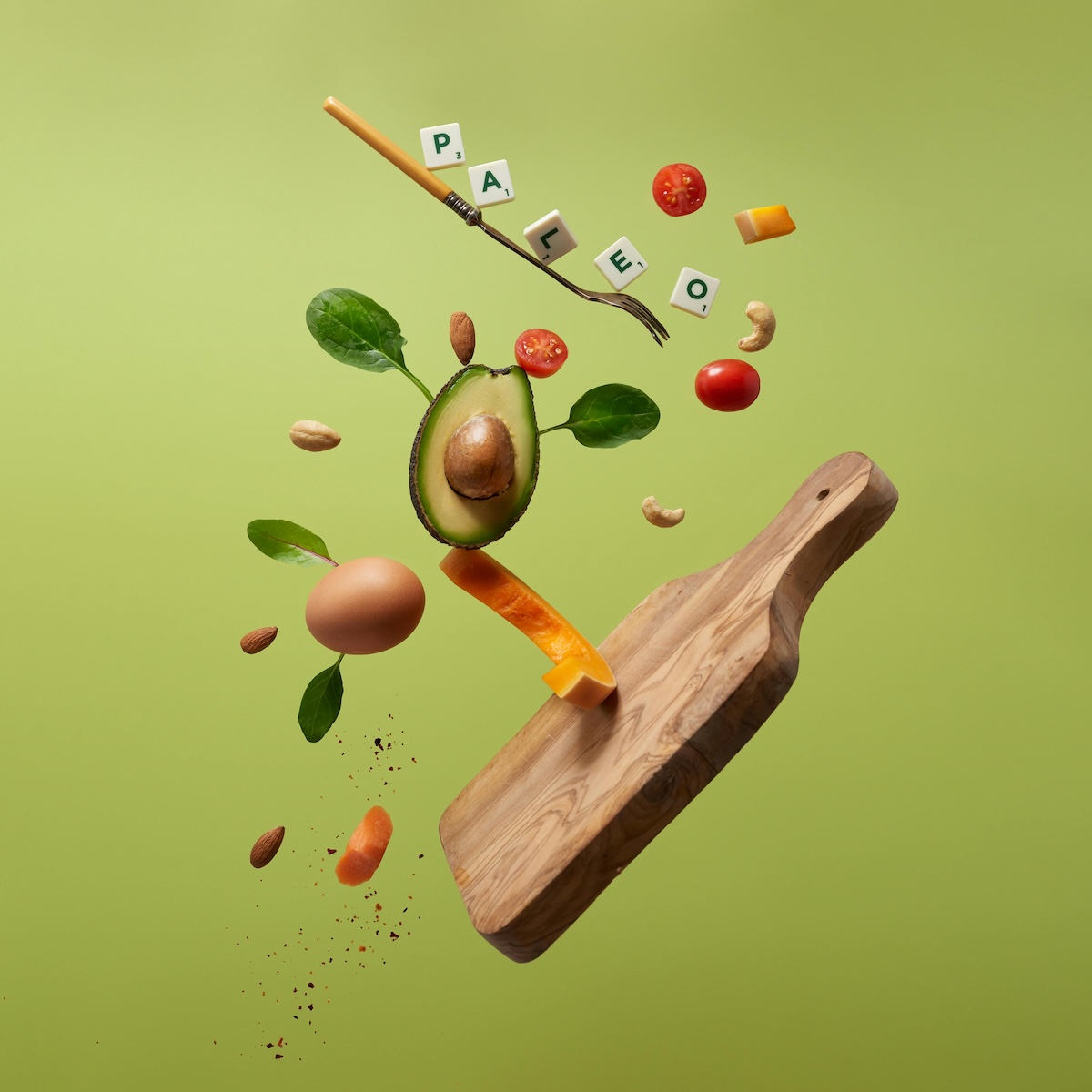
Discover the distinctions between the paleo and the autoimmune paleo diets, including lists of permissible foods, what to avoid, and the myriad health advantages they offer!
The paleo diet, also known as the “caveman diet,” emulates the dietary habits of our Paleolithic ancestors. This diet primarily includes foods that were available through hunting and gathering, such as lean meats, fish, vegetables, fruits, nuts, and seeds. The core idea is to realign our eating habits more closely with our genetic predispositions, suggesting that our bodies haven’t adapted to modern dietary practices, and should instead focus on the natural foods consumed by our forebears.
Yet, the paleo diet is more than just the “caveman diet.” It is anti-inflammatory and rich in nutrients, designed to provide all the essential nutrients your body needs without the high-calorie, processed foods typical of the modern American diet.
Let’s delve deeper into what the paleo diet involves, how it differs from the autoimmune protocol diet, also known as the paleo AIP diet, and the health benefits associated with these diets.
The Paleo Diet
The paleo diet emphasizes high-quality, anti-inflammatory, nutrient-dense foods, including well-sourced proteins, abundant vegetables, some fruits, and healthy fats. Optimal protein sources might include grass-fed beef, pasture-raised poultry, and wild-caught fish—consider what our hunting ancestors would have consumed.
A significant portion of the paleo diet is dedicated to vegetables—in fact, over half of your plate should consist of plant foods! You can enjoy a substantial amount of non-starchy vegetables, either raw or cooked. Starchy vegetables are also permissible, though it’s suggested to substitute white potatoes with alternatives like sweet potatoes, parsnips, or beets. Aim for 8 to 10 servings of vegetables daily, with 3 to 4 servings per meal.
Healthy fats are a fundamental aspect of the paleo diet, ensuring satiety and fullness post-meals. Excellent sources of healthy fats include olive oil, coconut oil, avocado oil, nuts, seeds, and avocados. Contrary to some beliefs, fats do not lead to weight gain; instead, they provide necessary energy and help reduce snacking by keeping you fuller for longer. Remember, healthy fats are crucial for vital bodily functions, including cardiovascular and neurological health.
If possible, choose organic to avoid pesticides. If not feasible, you can use the Environmental Working Group’s Dirty Dozen and Clean 15 lists as a guide.
Paleo Diet Food List
Meat, Seafood, and Eggs:
Prioritize grass-fed or wild-caught options, including:
- Meats such as beef, chicken, bison, pork, and turkey
- Seafood such as cod, salmon, and shrimp
- Pasture-raised eggs
Note: Opt for 100% grass-fed organic beef, avoid farmed seafood, and choose organic poultry and eggs whenever possible.
Vegetables:
Focus on non-starchy vegetables like:
- Cauliflower
- Broccoli
- Brussels sprouts
- Cabbage
- Spinach
- Butternut squash
- Sweet potatoes instead of white potatoes
Fruits:
- Apples
- Berries
- Plums
- Peaches
- Grapes
- Melons
- Citrus fruits
Nuts and Seeds:
- Tree nuts such as almonds, cashews, pecans, walnuts, macadamia nuts, pine nuts, pistachios, hazelnuts, and brazil nuts. Avoid peanuts, which are considered a legume.
- Seeds such as pumpkin seeds, flax seeds, sunflower seeds, and chia seeds.
Healthy Oils:
- Olive oil
- Coconut oil
- Avocado oil
Autoimmune Protocol (AIP) Diet
The autoimmune protocol diet, also referred to as the paleo AIP diet or autoimmune paleo diet, is a more stringent variation of the paleo diet. It is specifically tailored to assist in managing symptoms of autoimmune diseases like Hashimoto’s, inflammatory bowel disease, multiple sclerosis, and rheumatoid arthritis by eliminating food groups that trigger inflammation and irritate the gut. Those suffering from autoimmune conditions often experience reduced symptoms and enhanced quality of life when adhering to the autoimmune paleo diet. Research has shown that the paleo AIP diet can decrease systemic inflammation and help modulate the immune system.
Since individuals with autoimmune diseases have an immune system that mistakenly attacks its own cells, the autoimmune paleo diet focuses on reducing inflammation, alleviating symptoms, and excluding food groups commonly responsible for immune responses.
In addition to adhering to the paleo diet, the autoimmune paleo diet also excludes:
- Eggs
- Nightshade vegetables
- Nuts and seeds
What remains? A variety of vegetables (excluding nightshades), lean meats, fish, fermented foods, and small amounts of fruits are still enjoyable. Bone broth, rich in nutrients that support gut health, is frequently recommended.
The autoimmune paleo diet is not intended to be a permanent dietary regimen. The aim is to allow the gut time to heal and lessen the burden on the immune system. The body’s immune system typically requires about 23 days to significantly calm down after exposure to a problematic or triggering food. Thus, a 30-day reset is often an effective duration to adhere to this stricter version of the paleo diet. The diet seeks to promote gut health, regulate the immune system, and reduce inflammation. Subsequently, reintroducing foods can help identify which ones provoke symptoms.
What’s the Difference Between Paleo and Paleo AIP Food Plans?
Both the paleo and paleo AIP diets concentrate on nutrient-rich foods that our ancestors would have obtained through hunting or gathering. However, the paleo AIP diet imposes stricter restrictions to further minimize foods that could trigger inflammation, aiming to alleviate symptoms of autoimmune diseases and reduce inflammation.
Due to its restrictive nature, the paleo AIP diet may not be suitable for everyone. It is advisable to consult with your healthcare provider before starting the diet to ensure it meets your nutritional needs and suits your lifestyle.
Both diet plans are intended as temporary resets, typically ranging from 30 to 90 days, with the ultimate goal of gradually reintroducing foods back into your diet. This allows you to test for potential reactions. This reintroduction process involves adding one new food every 3-4 days and meticulously tracking symptoms from head to toe. The objective is to determine the most extensive range of foods that are compatible with each individual, while still largely avoiding processed and packaged food items, alcohol, and excessive sugar.
Paleo Diet Benefits
The focus on nutrient-dense whole foods brings numerous benefits to the paleo diet, including weight loss, enhanced cardiovascular health, and improved digestive health.
Supports Weight Loss:
This is a well-recognized benefit of the paleo diet, often the reason many choose to adopt this dietary approach. Consuming more vegetables, fruits, and lean proteins naturally reduces calorie intake. With the elimination of calorie-dense processed foods, sugars, alcohol, and grains, and a focus on nutrient-rich foods, weight loss typically ensues. Additionally, the protein and fiber-rich components of the paleo diet contribute to prolonged satiety, significantly reducing overeating and snacking between meals. Several studies have demonstrated that the paleo diet leads to improvements in fat mass, body weight, and waist circumference, often accompanied by enhanced blood pressure levels.
Another aspect to consider when evaluating the health benefits of the paleo diet related to weight loss is its impact on type 2 diabetes. The dietary changes associated with the paleo diet support a reduction in biomarkers linked to type 2 diabetes. While the extent of the diet’s benefits on type 2 diabetes is still being researched, it can significantly influence various factors involved in the disease, including weight, fat mass, blood pressure, and triglyceride levels.
Improves Heart Health:
The nutrient-dense, fiber-rich composition of the paleo diet is highly beneficial for heart health. The elimination of processed foods and refined sugars leads to reductions in low-density lipoprotein (LDL) or ‘bad’ cholesterol and triglycerides, both of which are risk factors for heart disease amidst inflammation and other genetic factors. One study highlighted that adhering to the paleo diet for 12 weeks resulted in lower triglyceride levels, a change noted to be independent of weight loss, suggesting that the dietary composition itself induced these changes.
Moreover, the diet encourages the consumption of fish and nuts, excellent sources of Omega-3 fatty acids. These essential fats are crucial in reducing inflammation, improving arterial function, lowering triglyceride levels, and enhancing overall heart health. Several studies have confirmed that the paleo diet improves biomarkers associated with cardiovascular disease and metabolic syndrome.
Enhances Digestive Health:
The paleo diet significantly impacts digestive health. By eliminating many of the standard American diet’s triggering foods, which can be challenging for the body to digest, such as processed foods and refined sugars, the digestive system is given an opportunity to recover.
Instead, the diet emphasizes consuming fiber-rich fruits and vegetables, which aid in proper digestion and promote a healthy gut. By removing common allergens like dairy, grains, and legumes, which can disrupt the flora of the gastrointestinal microbiome and the intestinal lining, the paleo diet can reduce inflammation, bloating, gas, discomfort, and other digestive issues.
A Functional Medicine Approach To Diet: The Paleo Way
The paleo diet, with its focus on whole, unprocessed foods, offers a range of health benefits. From weight loss to improved heart and digestive health, research has demonstrated that adopting a paleo diet can significantly enhance your overall health and well-being.
When transitioning to a new way of eating, such as the paleo or autoimmune paleo diet, there is often an emphasis on what you can’t eat. However, reversing this perspective to focus on the abundance of foods you can consume helps make the transition smoother and more sustainable. While the paleo diet avoids grains, legumes, soy, processed foods.