
During medical training, we studied the body by systematically examining each of its systems, neatly compartmentalizing everything. While this approach is logical in academia, it belies the true complexity of the human body.
The body’s systems are intricately interconnected, making it impossible to isolate any one system from the others. This intricate web extends further to include environmental factors, the microbiome, and emotional well-being, all weaving together to form our overall health.
Just as a disruption in one part of this web can affect the whole, disturbances in one body system can ripple through others. This complexity is evident in the relationship between mold, mast cell activation syndrome, and gut health. To explore this connection, let’s first define mold toxicity.
Definition of Mold Toxicity
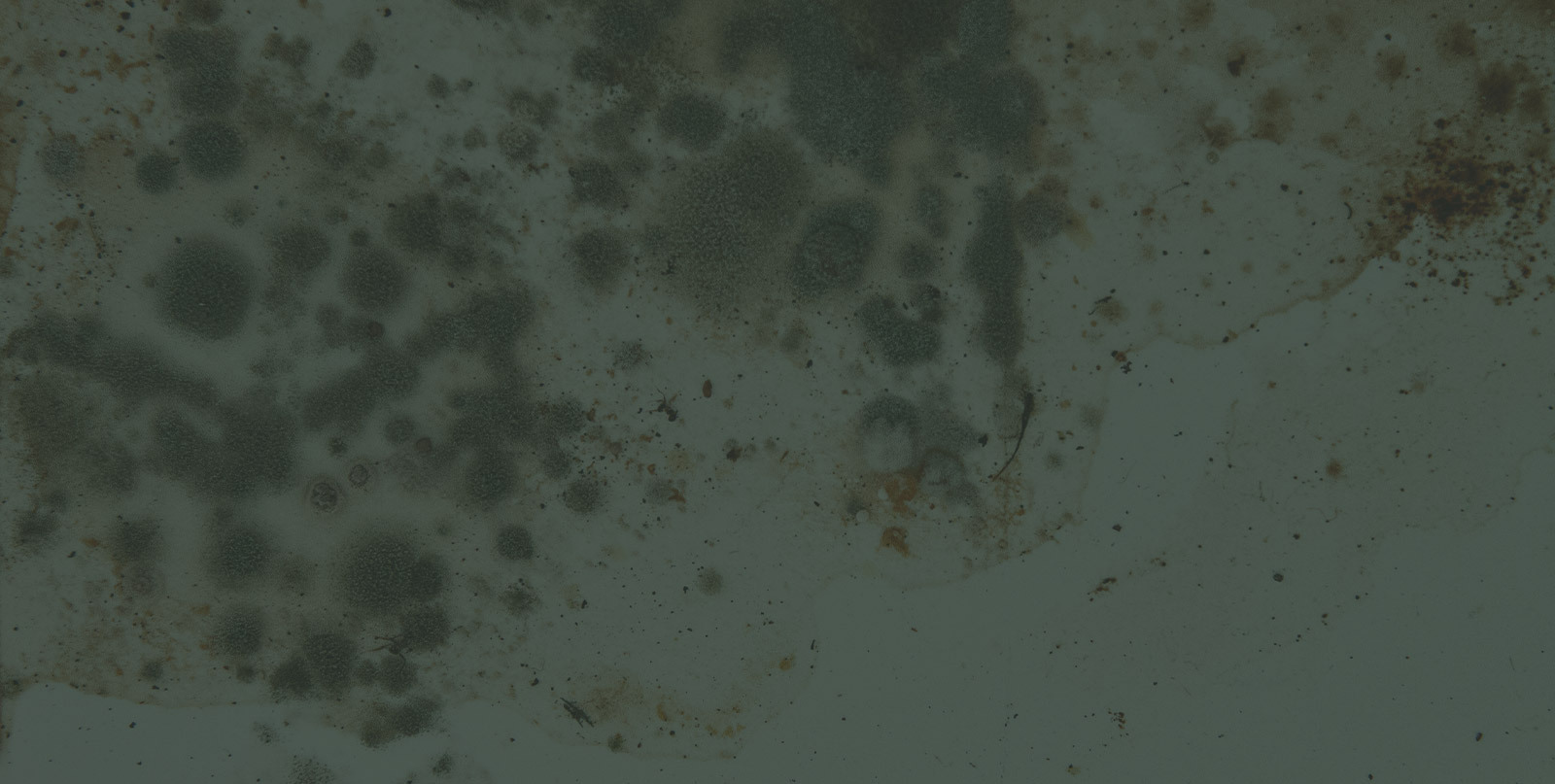
Mold toxicity, or mold illness, arises from exposure to mold and its toxic byproducts (mycotoxins). These harmful substances infiltrate the body through airborne spores or contaminated food, triggering inflammation, damaging cells, confusing the immune system, disrupting cellular communication, and more.
Mycotoxins notably impact gut health in profound ways. These mycotoxins can exert a particularly potent influence on gut health. The gastrointestinal tract, home to a diverse ecosystem of bacteria and other microorganisms, is highly sensitive to these toxins. When exposed, mycotoxins can disrupt the delicate balance of the gut microbiota, leading to dysbiosis—a state where harmful bacteria proliferate, and beneficial ones diminish. This imbalance not only compromises digestion and nutrient absorption but also weakens the gut lining, increasing its permeability.
The gut, often referred to as the “second brain,” plays a pivotal role in regulating immune responses and overall health. Hence, disturbances caused by mycotoxins can trigger systemic inflammation, compromise immune function, and exacerbate conditions like mast cell activation syndrome (MCAS).
MCAS itself is a condition where mast cells, part of the immune system, become overly sensitive and release excessive amounts of histamine and other inflammatory chemicals. This hypersensitivity can be exacerbated by mycotoxin exposure, further complicating the intricate interplay between mold toxicity, gut health, and immune function.
Understanding these complex interactions underscores the importance of addressing mold exposure and its impact on gut health in clinical practice. By recognizing and managing these factors, healthcare providers can better support patients dealing with mold-related illnesses and associated conditions like MCAS.
Molds’ Impact on Gut Health
Mycotoxins can severely disrupt gut health through various mechanisms:
- They alter the structure of the intestinal epithelium, damaging tight junction proteins and increasing intestinal permeability.
- They change the composition and diversity of gut flora, leading to dysbiosis.
- Mycotoxins significantly decrease mucin production, compromising the protective mucus lining and making the gut more vulnerable to pathogens.
- They activate immune responses in the gut mucosa, initiating inflammation.
- Mycotoxins induce the production of reactive oxygen species in intestinal cells, contributing to oxidative stress and inflammation.
- They interfere with nutrient absorption in the intestines.
- Mycotoxins exert cytotoxic effects on intestinal cells, disrupting normal cell turnover and tissue repair mechanisms.
However, mold’s impact on gut health extends beyond these effects. Mold exposure is also associated with another imbalance that can profoundly disrupt gut health – mast cell activation syndrome (MCAS).
The Intricacies of Mold in Mast Cell Activation Syndrome (MCAS)
When toxic mold spores enter the body, they trigger immune responses that lead to extensive mast cell degranulation. While exposure to small amounts of mold spores in natural settings typically poses no issue, indoor mold contamination or high concentrations in food can lead to repeated and elevated exposure to harmful mycotoxins.
This chronic exposure causes mast cells to continuously release a pro-inflammatory mediator called Prostaglandin D2 (PGD2). Elevated PGD2 levels perpetuate mast cell hypersensitivity, further increasing degranulation and PGD2 production in a vicious cycle.
The resulting inflammation and persistent mast cell activation contribute to mast cell activation syndrome, where mast cells remain in a heightened state of reactivity. This excessive release of mast cell mediators exacerbates the disruption of gut health, perpetuating a cycle of inflammation and dysfunction.
Mast Cell Activation Syndrome (MCAS) and its Impact on Gut Health
Excessive mast cell degranulation disrupts the delicate balance of the gut at a cellular level, leading to:
- Compromised integrity of the intestinal barrier
- Heightened immune activation
- Persistent inflammation
- Increased sensitivity within the digestive system
- Disrupted gut movement regulation
- Damage to the gut’s mucosal lining
- Imbalance in gut microbial communities
- System-wide effects
This cascade of effects from mold toxicity and hyperactive mast cells can severely affect gut function, manifesting in a broad spectrum of gastrointestinal and systemic symptoms. How can we effectively address this intricate network of dysregulation and imbalance?
Restoring the Microbiome Post Mold Exposure and Mast Cell Dysfunction
The relationship between mold exposure, MCAS, and gut health forms a complex interplay where each factor amplifies and exacerbates the others. Breaking free from this cycle of dysfunction and supporting patients in their recovery necessitates addressing all contributing factors concurrently. Let’s explore some essential steps towards healing the gut and reestablishing microbiome balance.
Managing Mold Toxicity
When mold toxicity is suspected, it’s crucial to adopt a dual-pronged strategy involving reducing exposure and promoting detoxification. Here’s a closer look at each component:
Reducing Exposure
The primary step is to minimize exposure to these harmful substances. This typically involves:
- Identifying sources of mold exposure and implementing remediation measures.
- Disposing of items that cannot be salvaged after mold remediation.
- Cleaning the home environment thoroughly and implementing preventive measures against future mold growth.
- Using air filtration systems designed to capture and eliminate mold spores.
- Adhering to a diet low in mold-promoting foods.
Once exposure is under control, the next phase involves enhancing detoxification processes.
Enhancing Detoxification Methods
From extensive experience treating patients with mold exposure, I’ve developed a specialized mold detoxification regimen aimed at aiding the body’s elimination of mold and initiating healing of underlying damage. This protocol includes:
- Utilizing reduced glutathione to enhance detox processes significantly.
- Providing a comprehensive range of B-complex vitamins to support cellular and liver function.
- Employing nanoparticle milk thistle to stabilize and safeguard the liver during heightened detox activity.
- Using a blend of Nicotinamide Mononucleotide (NMN) and Trimethylglycine (TMG) to boost energy production, facilitate cellular ATP generation, and enhance detox capabilities.
- Administering essential minerals and trace elements to maintain electrolyte balance and support remineralization during detoxification.
- Incorporating a mixture of bitter herbs, R-Lipoic Acid, DIM, milk thistle, quercetin, and luteolin to aid all phases of detox, promote bile flow, and encourage a healthy inflammatory response.
- Implementing detox binders to attract and trap toxins effectively.
Enhancing Natural Detoxification Pathways
Amplifying natural detoxification pathways can also be achieved through various methods, including:
- Infrared sauna therapy
- Dry brushing
- Pulsed electromagnetic field (PEMF) therapy
- Maintaining proper hydration
- Adopting a diet rich in fiber to support regular bowel movements
Once mold exposure has been addressed, the next crucial step involves stabilizing mast cells.
Stabilizing Mast Cells
Many strategies aimed at supporting and calming overactive mast cells coincide with promoting a healthy, balanced gut. Key approaches to stabilize mast cells include:
- Avoiding triggers such as allergens (e.g., dust mites, pollen), chemicals (e.g., synthetic fragrances), or physical irritants (e.g., tight clothing).
- Addressing underlying infections, which can perpetuate immune system activation and exacerbate mast cell dysfunction (e.g., Lyme disease, EBV, Long Covid).
- Promoting a healthy circadian rhythm through consistent sleep patterns and exposure to natural light, optimizing immune function and reducing mast cell hyperactivity.
- Prioritizing a nutrient-dense, low-histamine diet to lessen immune burden, minimize histamine intake, and support immune function and mast cell stability.
These strategies can effectively restore balance to hyperactive mast cells, mitigating their degranulation and the release of inflammatory mediators.
Supporting Gut Health
Toxic mold can sometimes be like the first domino to fall – causing a chain reaction that disrupts your immune system, impairs your gut health, throws the microbiome out of whack, and more. So once mold exposure is addressed and steps to stabilize mast cells have begun, it’s imperative to support the gut in healing. A couple of additional – and often overlooked – ways to support gut healing include:
Focus On Mental Health and Limbic System Retraining:
Mold exposure is notorious for triggering distinct neurological and emotional changes. Pair that with the fact that MCAS and gut dysbiosis can dramatically impact the gut-brain axis, and it’s easy to see why this trio of effects can cause significant nervous system dysregulation.
This can essentially reset the nervous system – shifting the balance of this delicate network and causing the nervous system to get stuck in a sort of “fight or flight” mode. So it’s crucial to essentially reset the limbic system and support a more regulated nervous system by rewiring the brain to return to a more balanced, restful state.
This may include things like biofeedback, tapping, breathwork, and a variety of other modalities. Nervous system regulation is a piece of the puzzle that is often overlooked but is so necessary for true healing.
Minimize Exposure To Other Environmental Toxins
While mold is certainly one of the worst offenders when it comes to environmental toxins, it’s far from the only one that can wreak havoc on your gut health. Minimizing exposure to other inflammation-stoking, gut-dysregulating, and endocrine-disrupting chemicals can drastically reduce the burden on your immune system – allowing the gut to begin healing.
Lowering the toxic burden can be accomplished by utilizing air filtration systems for indoor air, removing contaminants from drinking water with effective purification systems, and using home and personal care products with cleaner, less toxic ingredients.
Next Steps For Addressing the Complex Interplay Between Mold, MCAS, and Gut Health
Our understanding of mold, mast cells, and gut health has evolved rapidly and immensely over the past decade. And while we still undoubtedly have much to learn, there’s one thing we can know for sure – our well-being depends on so much more than our physical body. Our external environment, the microbes that reside within us, the thoughts we think, and emotions we experience, and many other factors aside from our physical body all come together to create the picture of our health and well-being.