
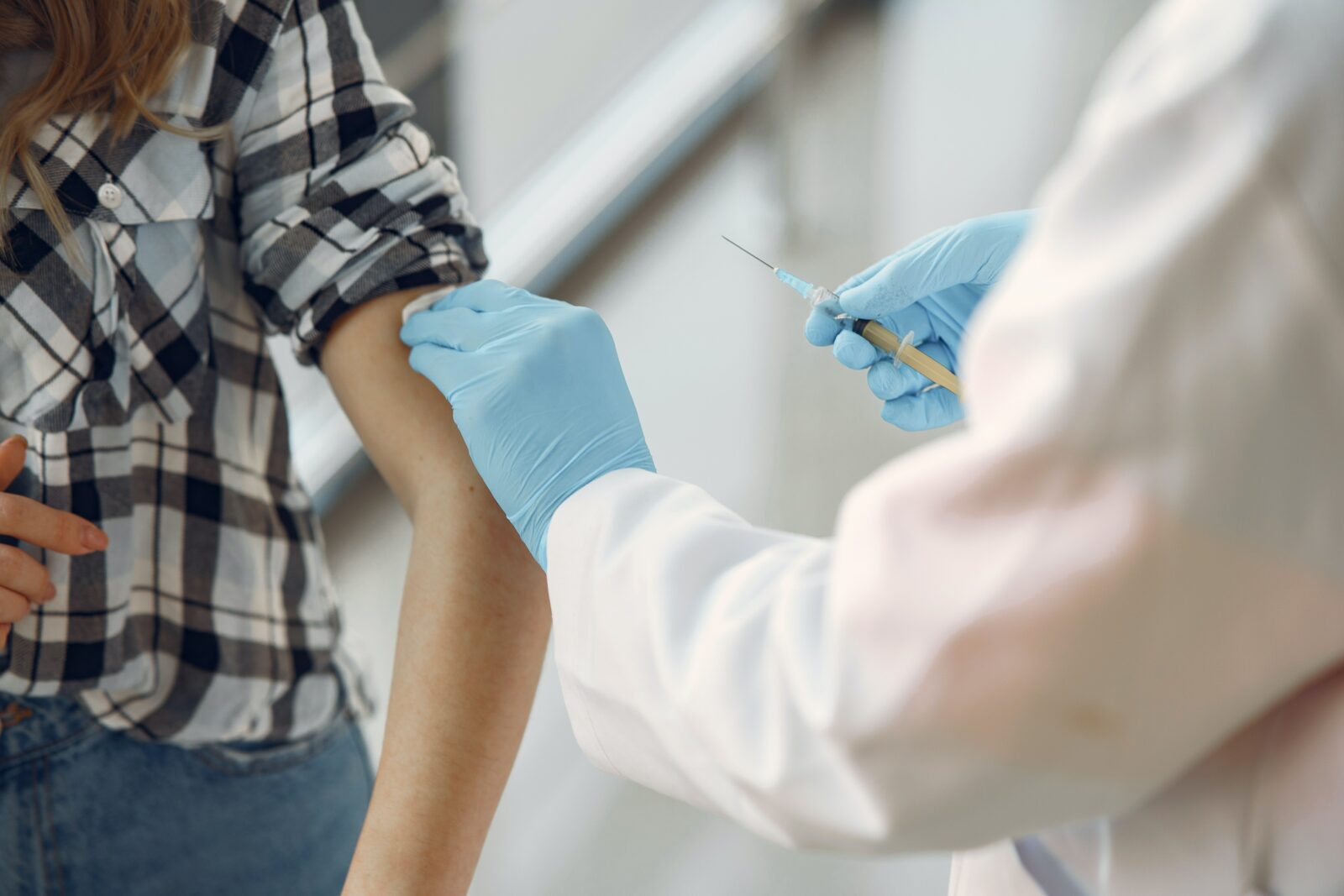
A crucial action taken by the U.S. Food and Drug Administration in July received very few headlines or media coverage. However, it’s important to review that action.
In July 2021, the FDA added a warning to the fact sheet for the Johnson & Johnson (J&J) COVID-19 vaccine. It stated that current data suggest there is an increased risk of a rare neurological disorder in the 6 weeks following inoculation.
The FDA sent a letter to J&J in which the agency classified the risks of contracting Guillain-Barré syndrome (GBS) after inoculation as being “very low.” However, the FDA advised J&J vaccine recipients to seek immediate medical care if they experience any symptoms such as tingling sensations, weakness, difficulty with facial muscles and movement, and difficulty walking.
Approximately 13.0 million people have received the J&J vaccine in the U.S. The FDA stated that 100 preliminary reports of GBS include 95 serious cases among vaccine recipients. These 95 cases required hospitalization, and one death was reported.
When J&J responded, the company made a statement that it was currently discussing the cases of GBS with federal government regulators. J&J pointed out that the reported cases of GBS from the vaccine exceeds the normal rate of GBS in the general population by a small percentage.
GBS is a rare neurological condition in which the body’s immune system attacks the protective coating on nerve fibers. Most cases follow a bacterial or viral infection. Most people fully recover from GBS.
GBS has been linked to other vaccinations, such as the vaccination campaign during a swine flu outbreak in the U.S. in 1976. The condition was also linked to the vaccine used to combat the 2009 H1N1 flu pandemic.
According to a statement from the U.S. Centers for Disease Control and Prevention (CDC), most of the cases were in men, many of whom were 50 or older. It did not find higher than expected cases of GBS in recipients of the mRNA-based vaccines from Pfizer Inc (PFE.N)/BioNTech SE and Moderna Inc. (MRNA.O)
In late July, European regulators recommended that a similar warning be added to the AstraZeneca COVID-19 vaccine, which uses a technology that is similar to the J&J vaccine.
Adding the warning to the fact sheet adds an obstacle for the J&J vaccine, especially since the single-dose vaccine was expected to be a helpful tool for vaccination in rural, difficult-to-reach areas. It was also expected to be more accepted by the vaccine-hesitant population.
But the use of the vaccine has already been linked to a very rare, potentially life-threatening blood clotting condition and slowed by production problems at the main plant where it is being made.
U.S. regulators decided in April that the vaccine’s benefits outweighed the risk from the blood clotting issue.