
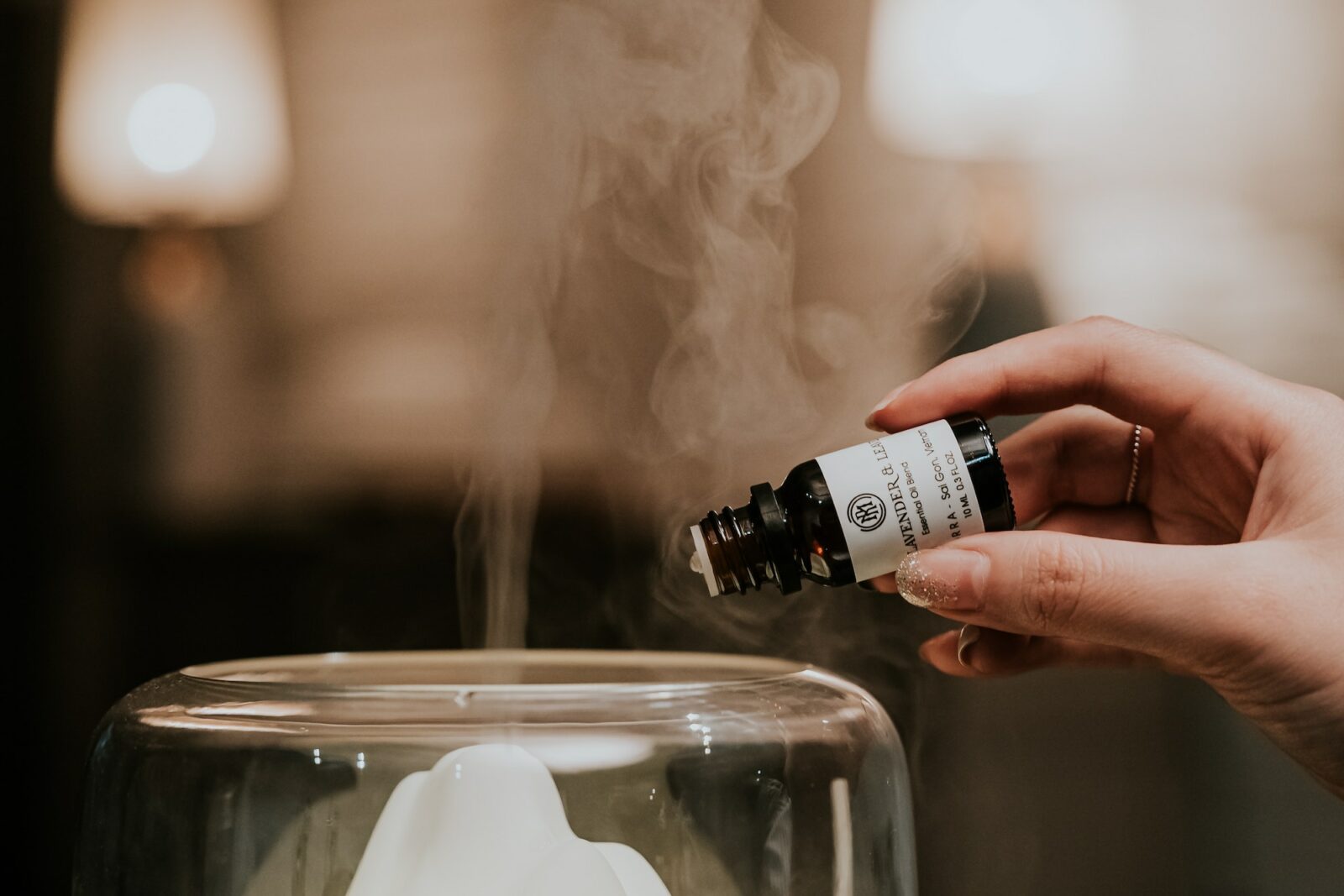
Air fresheners are a common household item used to mask unpleasant odors and create a more pleasant atmosphere. However, the chemicals used in many air fresheners have raised concerns about their safety and potential health risks. One commonly used brand of air freshener was found to contain an astounding 19 pages of chemicals, highlighting just how poorly regulated and toxic this increasingly popular class of consumer products is.
Phthalates: A Major Concern
Phthalates are a group of chemicals commonly used in air fresheners and other household products as a fragrance carrier. These chemicals have been linked to a range of health problems, including hormonal disruptions, reproductive issues, and developmental problems in children. A study published in the Journal of Environmental Health Perspectives found that phthalates were present in nearly all air freshener products tested, with some containing levels that exceeded safety limits.
Benzene: A Known Carcinogen
Benzene is a toxic chemical known to cause cancer and other serious health problems. This chemical is commonly found in air fresheners and other household products. A study published in the journal Environmental Science and Technology found that air fresheners emitted benzene and other toxic chemicals into the air, posing a health risk to individuals who are exposed to them.
Formaldehyde: A Common Preservative
Formaldehyde is a preservative commonly used in air fresheners and other household products. This chemical has been linked to cancer and other serious health problems. A study published in the Journal of Occupational and Environmental Medicine found that formaldehyde exposure was associated with an increased risk of lung cancer and leukemia.
Toluene: A Nervous System Toxin
Toluene is a chemical commonly found in air fresheners and other household products. This chemical is a known neurotoxin, meaning it can cause damage to the nervous system. A study published in the journal Environmental Health Perspectives found that exposure to toluene was associated with decreased cognitive function and behavioral problems in children.
Styrene: A Possible Carcinogen
Styrene is a chemical commonly used in air fresheners and other household products. This chemical has been classified as a possible carcinogen by the International Agency for Research on Cancer. A study published in the journal Environmental Health Perspectives found that exposure to styrene was associated with an increased risk of lymphoma and leukemia.
Hydrocarbons: A Range of Health Concerns
Hydrocarbons are a group of chemicals commonly found in air fresheners and other household products. These chemicals have been linked to a range of health problems, including respiratory issues, neurological damage, and cancer. A study published in the journal Indoor Air found that air fresheners emitted high levels of hydrocarbons, posing a health risk to individuals who are exposed to them.
Airborne Pollution: A Serious Concern
Air fresheners and other household products can emit a range of pollutants into the air, including volatile organic compounds (VOCs), particulate matter, and ozone. These pollutants can have serious health effects, including respiratory problems, cardiovascular disease, and cancer. A study published in the journal Environmental Health Perspectives found that air fresheners and other scented products emitted a range of pollutants into the air, posing a health risk to individuals who are exposed to them.
Synthetic Fragrance: A Potentially Harmful Ingredient
Synthetic fragrance is a commonly used ingredient in air fresheners and other household products. This ingredient can contain a range of potentially harmful chemicals, including phthalates, benzene, and formaldehyde. A study published in the journal Environmental Health Perspectives found that synthetic fragrance was a significant source of exposure to phthalates and other potentially harmful chemicals.
Conclusion
The use of air fresheners and other scented products has become increasingly popular in recent years. However, the chemicals used in these products can pose serious health risks to individuals who are exposed to them. Phthalates, benzene, formaldehyde, toluene, styrene, hydrocarbons, airborne pollutants, and synthetic fragrance are just a few examples of the toxic chemicals commonly found in air fresheners.
The lack of regulation in the air freshener industry is a major concern. While some countries have taken steps to ban or restrict certain chemicals in air fresheners, many products still contain harmful ingredients. Consumers should be aware of the potential health risks associated with air fresheners and consider safer alternatives, such as natural or unscented products.
In conclusion, the use of air fresheners should be approached with caution due to the potential health risks associated with the toxic chemicals commonly found in these products. Individuals concerned about their health should consider using natural or unscented products or exploring alternative methods for freshening the air in their homes. The regulation of air fresheners should be improved to ensure that these products are safe for consumer use.
REFERENCES:
Steinemann, A. (2015). Volatile emissions from common consumer products. Air Quality, Atmosphere & Health, 8(3), 273-281.
Kim, S., et al. (2015). Phthalates in air fresheners: concentrations, emission rates, and health risk assessment. Environmental Science & Technology, 49(1), 106-114.
Hoppin, J. A., et al. (2009). Phthalate exposure and allergy in the U.S. population. Environmental Health Perspectives, 117(2), 271-277.
White, L. D., et al. (2009). Phthalate and bisphenol A exposure among pregnant women in Canada—a pilot study. Environmental Health, 8(1), 10.
Park, S., et al. (2008). Evaluation of benzene emissions from consumer products. Environmental Science & Technology, 42(21), 8154-8159.
Boffetta, P., et al. (2010). Carcinogenicity of benzene. The Lancet Oncology, 11(8), 714-716.
United States Environmental Protection Agency. (2011). Formaldehyde. Retrieved from https://www.epa.gov/formaldehyde/formaldehyde-basics
International Agency for Research on Cancer. (2002). Styrene. Retrieved from https://monographs.iarc.fr/wp-content/uploads/2018/06/mono82.pdf
Jaakkola, J. J., et al. (1990). Indoor air pollutants and respiratory health in the elderly. Journal of Epidemiology & Community Health, 44(2), 141-147.
Weschler, C. J. (2009). Changes in indoor pollutants since the 1950s. Atmospheric Environment, 43(1), 153-169.
Nematollahi, N., et al. (2018). The impact of synthetic fragrance on indoor air quality. Environmental Science & Technology, 52(15), 8775-8783.