
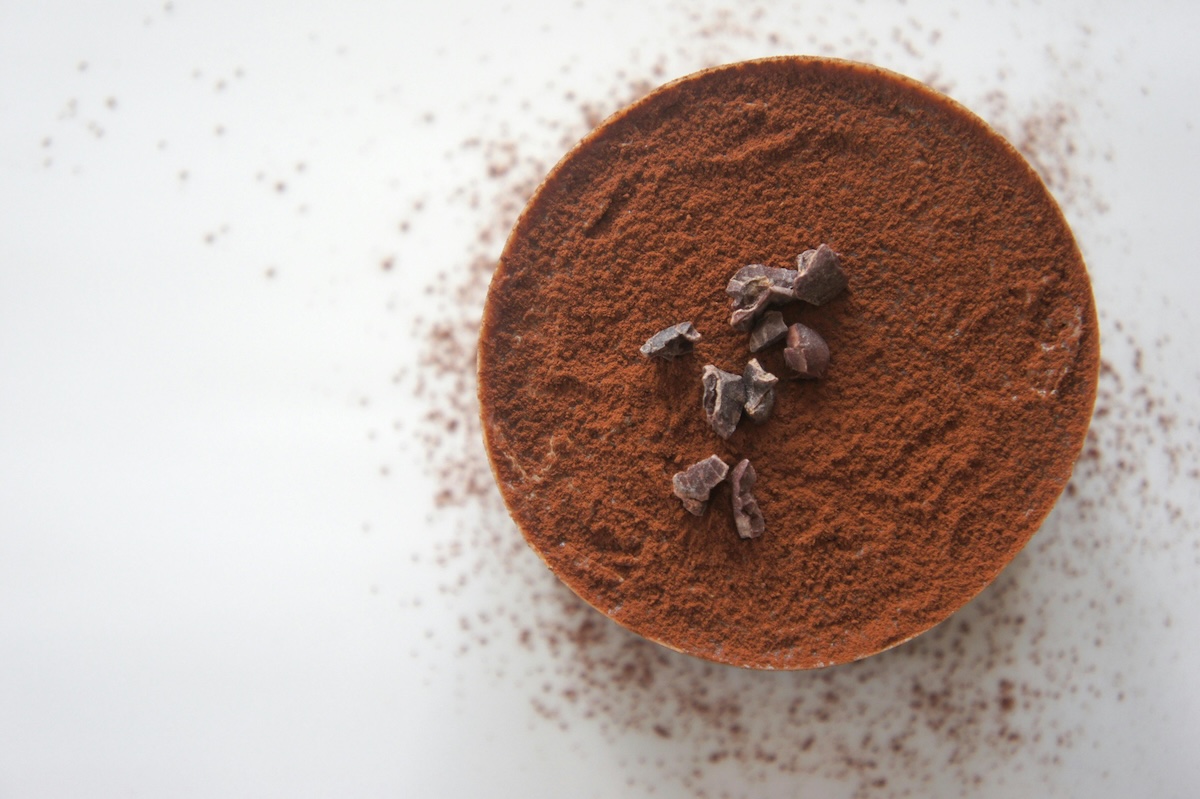
Cocoa Flavanols and the Quiet Revolution in Heart Health
When Food Reduces Death—and Drugs Barely Budge the Outcome
Modern medicine loves a simple villain and a simple hero. In cardiovascular care, cholesterol has long played the villain, statins the savior, and foods like chocolate the guilty pleasure patients are warned to avoid. It’s a tidy story—easy to explain, easy to prescribe, and extraordinarily profitable.
But tidy stories have a habit of unraveling when confronted with hard endpoints. And the hardest endpoint of all is not cholesterol reduction, not risk scores, not imaging changes—but death.
When we examine cardiovascular mortality itself, an uncomfortable truth emerges: some of our most prescribed blockbuster drugs struggle to show statistically significant reductions in heart-related deaths in primary prevention, while a plant food revered for thousands of years quietly demonstrates a meaningful, measurable benefit.
That plant is Theobroma cacao—literally, “food of the gods.”
Ancient Wisdom, Modern Vindication
Long before randomized controlled trials existed, cacao was used medicinally. Mesoamerican cultures valued it as a tonic for vitality and the heart. Colonial-era texts like the Florentine Codex described cacao preparations for those who were “faint of heart.” This wasn’t dessert—it was medicine.
For centuries, that knowledge was dismissed as pre-scientific folklore. Chocolate became candy, cacao became sugar-laden indulgence, and its therapeutic reputation was lost. Now, in a striking reversal, modern science is rediscovering what traditional cultures already knew: cacao is biologically active in ways that directly support cardiovascular health.
The Endpoint That Actually Matters
Cardiology has relied heavily on surrogate markers—numbers assumed to predict outcomes. LDL cholesterol became the primary target, and statins became the tool to suppress it. The assumption was simple: lower LDL equals fewer heart deaths.
Yet when researchers examine cardiovascular mortality in primary prevention trials, the results are far less dramatic than public messaging suggests. Large meta-analyses show that statins often reduce nonfatal events modestly, but frequently fail to produce a statistically significant reduction in cardiovascular death in people without established heart disease. Absolute risk reductions are small—often measured in a handful of events per 10,000 people over several years.
That doesn’t mean statins have no place. It does mean their benefits have been overstated, while their risks—muscle damage, glucose dysregulation, cognitive complaints, mitochondrial toxicity—are often minimized or poorly communicated.
Now contrast that with what happens when we study cacao flavanols.
COSMOS: When Food Becomes Medicine Again
The Cocoa Supplement and Multivitamin Outcomes Study (COSMOS) enrolled over 21,000 adults and randomized them to receive either a standardized cocoa flavanol extract (500 mg/day) or placebo. This wasn’t observational nutrition epidemiology—it was a large, placebo-controlled trial.
The cardiovascular death findings were striking:
- 27% relative reduction in cardiovascular mortality
- Fewer deaths in the cocoa group than placebo
- A statistically significant result
When translated into absolute terms—the metric that actually reflects real-world impact—the cocoa group experienced roughly double the absolute reduction in cardiovascular deaths compared to what is often reported with statins in primary prevention.
And this time, the confidence intervals didn’t straddle uncertainty.
This is the moment where narratives should change. Instead, the finding was quietly filed away.
The Semantic Shell Game
Pharmaceutical benefits are often presented in relative risk, a framing that can dramatically inflate perceived impact. A drop from 2% to 1% becomes a “50% reduction,” even though 98 out of 100 people were never at risk to begin with.
When foods show benefits, the opposite happens. Absolute effects are emphasized, limitations are magnified, and conclusions are softened. Regulatory agencies issue “qualified” claims, stressing inconsistency—even when the effect size equals or exceeds that of drugs with full approval.
This asymmetry isn’t scientific. It’s cultural and economic.
Why Cocoa Works Where Numbers Fail
The difference lies in mechanism.
Statins primarily target a laboratory value. Cocoa flavanols target the biology of the blood vessels themselves.
Endothelial Function: The Real Battlefield
Cardiovascular disease begins in the endothelium—the single-cell lining of blood vessels. This is where nitric oxide signaling, vascular tone, inflammation, and clotting are regulated. Damage here precedes plaque, events, and death.
Cocoa flavanols have been shown to:
- Improve endothelial nitric oxide production
- Restore vascular flexibility
- Protect against stress-induced endothelial dysfunction
- Improve blood flow even in diabetics
This isn’t cosmetic risk reduction. It’s structural and functional repair.
The Forgotten “Vitamin P”
When vitamin C was first studied, whole foods worked better than isolated compounds. This led to the discovery of flavonoids—once called “vitamin P” for their role in capillary permeability and vascular integrity.
Cacao is one of the richest flavonoid sources known. These compounds support collagen stability, reduce oxidative stress, and may enhance endothelial progenitor cell activity—supporting repair, not suppression.
In this framework, cardiovascular disease begins to resemble a form of chronic, subclinical deficiency—not just of nutrients, but of signaling molecules plants provide.
The Long Arc of Evidence
COSMOS didn’t emerge in a vacuum. Earlier population studies observed dramatic reductions in cardiovascular and all-cause mortality among those with higher cocoa intake over decades. These weren’t subtle signals. They were large, consistent, and persistent.
What’s changed is that modern trials now confirm what epidemiology and tradition long suggested.
Clearing Up the Chocolate Confusion
This is not an argument for candy bars.
- The benefits come from high-flavanol cocoa, not sugar-laden chocolate
- Processing destroys flavanols; quality matters
- Doses in trials are standardized and consistent
Ethical sourcing, minimal processing, and low contamination are essential—not optional.
Food as medicine demands the same rigor we expect of pharmaceuticals.
The Question That Won’t Go Away
If a food-based intervention can demonstrate a statistically significant reduction in cardiovascular death—while our most prescribed drug class struggles to do so in primary prevention—then the question becomes unavoidable:
Are we treating disease, or are we treating numbers?
This question exposes the fault line in modern medicine. We have built an entire system around managing surrogate markers, even when improving those markers fails to reliably save lives.
Meanwhile, a non-patentable, ancient food quietly reduces death and improves cognition, metabolism, mood, inflammation, and vascular health—with side benefits instead of side effects.
A Necessary Humbling
Cacao has been studied across more than a hundred health domains. Statins come with hundreds of documented adverse signals. Yet the former is dismissed as indulgence, the latter prescribed reflexively.
This isn’t a failure of data. It’s a failure of paradigm.
The Path Forward
The future of cardiovascular medicine is not lower and lower LDL targets achieved by ever more aggressive pharmaceuticals. It is a return to physiology—supporting endothelial health, mitochondrial function, redox balance, and repair mechanisms the body already possesses.
Cocoa flavanols are not magic. They are a reminder.
When food outperforms drugs on the hardest endpoint we have—death—it isn’t an anomaly to explain away. It’s a signal calling for a fundamental course correction.
Sometimes progress doesn’t mean inventing something new.
Sometimes it means remembering what we forgot.