
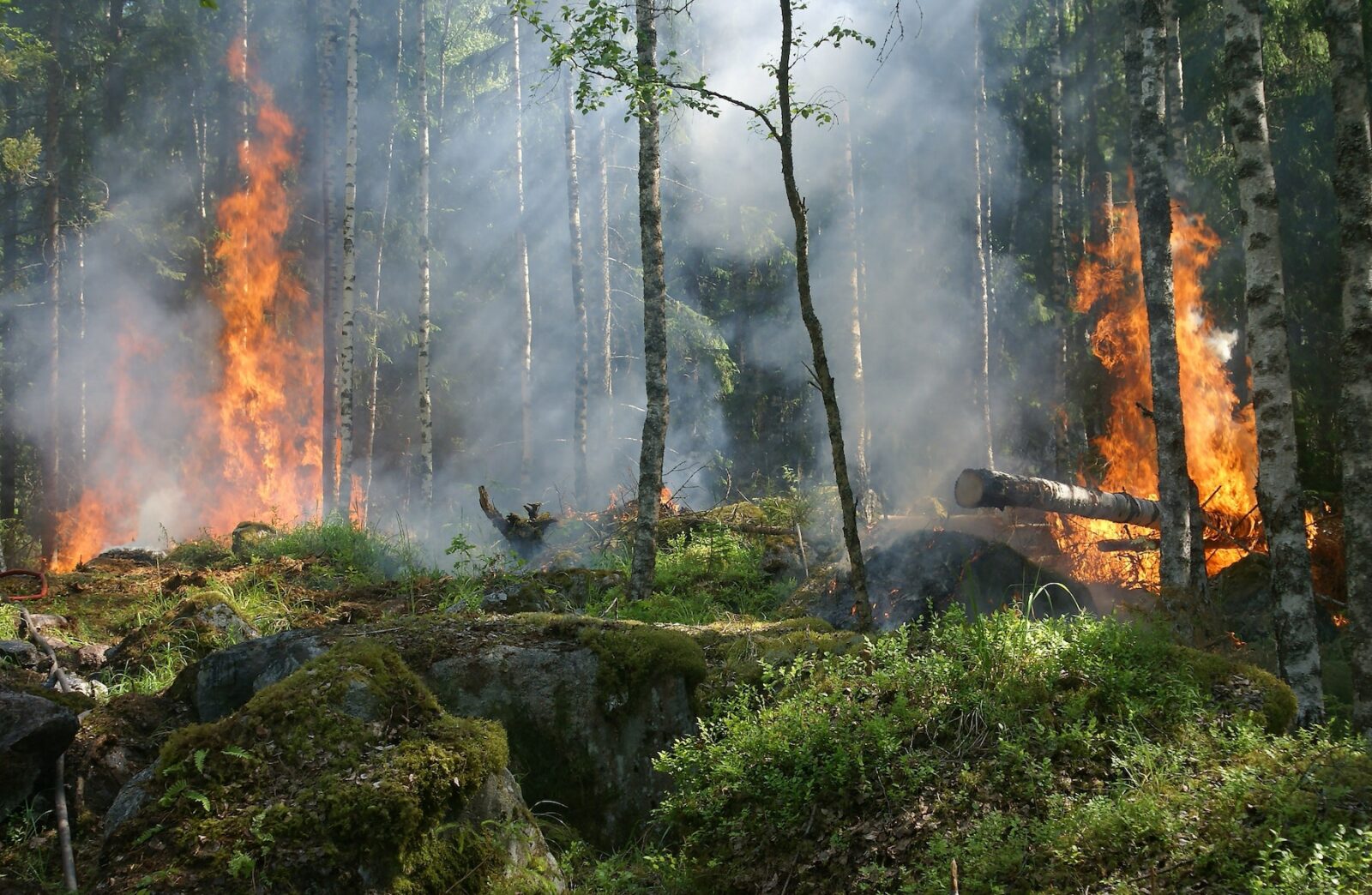
With an increase in the frequency of wildfires, both individuals and communities face a greater risk of harm. Here is some information to assist you in preparing for and safeguarding yourself and your family.
What is the impact of wildfire smoke on air quality?
Wildfire smoke significantly contributes to the deterioration of air quality. Similar to the pollution caused by burning coal, oil, and gas, wildfires generate hazardous gases and minuscule particles of different sizes, known as particulate matter (PM10, PM2.5, PM0.1), which are detrimental to inhale. Additionally, wildfire smoke contains toxic substances released from burning structures and chemicals.
The smoke can be transported to distant areas through weather patterns and jet streams.
Safeguarding against the consequences of chronic inflammation.
Scientific evidence has demonstrated that chronic, low-grade inflammation can become a silent killer, contributing to cardiovascular disease, cancer, type 2 diabetes, and other conditions. Discover straightforward tips from experts at Harvard Medical School on combating inflammation and maintaining good health.
Learn more
Read about protecting yourself from the damage caused by chronic inflammation.
How does wildfire smoke affect our well-being?
The tiny particles present in wildfire smoke pose the greatest concern for our health. When we breathe in these particles, they can penetrate deep into our lungs and sometimes even enter the bloodstream.
Health effects associated with wildfire smoke include eye irritation, coughing, wheezing, and breathing difficulties. The smoke may also increase the risk of respiratory infections like COVID-19. Other potential severe health consequences include heart failure, heart attacks, and strokes.
Who needs to exercise extra caution?
Individuals at the highest risk from wildfire smoke include children, older adults, outdoor workers, pregnant women, and those with heart or lung conditions.
If you have a chronic health condition, consult your doctor regarding how the smoke might affect you. Find out which symptoms should prompt medical attention or adjustments to your medications. This is particularly important if you have lung or heart problems.
How can you prepare for wildfire emergencies?
If you reside in an area threatened by wildfires or where hot and dry conditions make them more likely:
Develop a family evacuation plan in advance of any wildfires.
Ensure that you have a supply of medications, water, and non-perishable food for several days, which can be crucial if you need to evacuate suddenly due to a wildfire or other natural disaster.
Regularly monitor this fire and smoke map, providing current information on wildfire conditions and links to state advisories.
Follow alerts issued by local officials if you are located in an active fire region.
What measures can you take to reduce health risks during periods of poor air quality?
Follow these six tips to maintain your well-being during wildfire smoke advisories and other times when air quality is subpar:
- Stay informed about air quality. AirNow.gov provides real-time air quality risk assessments for your area along with activity guidelines. If recommended, stay indoors, close doors, windows, and outdoor air intake vents.
- Consider purchasing an air purifier, especially if you live in a poorly ventilated building. This is important not only during regional wildfires but also generally for dealing with pollution. Refer to my previous post for tips on air pollution and air purifiers. The Environmental Protection Agency (EPA) advises against using air cleaners that produce ozone, which is also a pollutant.
- Understand your HVAC system if you have one. The quality and cleanliness of your filters are crucial, so opt for high-efficiency filters when possible and replace them as needed. Additionally, familiarize yourself with whether your system has outdoor air intake vents.
- Avoid creating indoor pollution. This means refraining from smoking, vacuuming, burning candles or incense, and frying foods or using gas stoves, especially if proper ventilation is lacking.
- Designate a “clean room” within your living space. Choose a room with fewer doors and windows, and utilize an appropriately sized air purifier, especially if you are not utilizing central air conditioning.
Minimize outdoor activities and wear a mask when outside. Again, having an ample supply of medications and non-perishable food will prove helpful. If you must go outdoors, reduce both the duration and intensity of your activities. Wearing a well-fitted N95 or KN95 mask, or a P100 respirator, can assist in preventing the inhalation of small particles present in smoky air for those people with health issues.