
Ever since Motorola introduced the first portable wireless phone in the early 1970s, cellphones and wireless devices have become deeply embedded in our daily lives. They have undergone significant advancements, progressing from basic text messaging to streaming videos and games.
Telecommunication networks, which utilize electromagnetic radiation for information transmission, have also made significant strides. From the outdated 1G, which only supported voice calls, we have now reached the cutting-edge 5G technology, promising high-speed data transfers.
However, with these advancements come apprehensions regarding potential health impacts, particularly surrounding the controversial 5G technology.
While telecommunication companies and regulatory agencies assert that there is no scientific evidence linking cellphone radiation to health problems, many experts disagree. In 2017, 180 international scientists and doctors petitioned the European Union to conduct an independent assessment of the potential health risks associated with 5G.
But how significant are these risks?
Uncertainties about wireless telecommunication even prior to 5G
Studies conducted since the 1970s have suggested possible connections between cellphone radiation and health issues such as infertility, neuropsychiatric problems, cancer, and inflammation.
However, the findings on the effects of cellphone radiation have been inconsistent, with some variations depending on the funding sources of the studies.
One study previously analyzed 200 studies on the biological effects of cellphone-related radiation. Approximately half of the studies reported no biological correlation, while the other half indicated a possible association.
The research that is not funded by the industry, it’s around three to one—three out of every four papers show an effect. In contrast, industry-funded research shows an effect in only one out of every four papers.
Animal studies
Studies on animals have indicated potential health risks associated with 2G, 3G, and 4G technologies.
A study published in 2018 by the National Institute of Environmental Health Sciences found that high levels of 2G and 3G radiation were linked to an increased risk of cancer and adverse effects on DNA in rats. The study revealed that rats and mice exposed to such radiation exhibited DNA damage in their brains and blood cells, clear evidence of heart tumors, and lower birth weights in the case of prenatal exposure.
However, the study acknowledged limitations due to the use of abnormally high radiation levels that do not reflect real-life exposure scenarios. The exposures used in the studies cannot be directly compared to the exposure that humans experience when using a cellphone.
Nevertheless, by increasing exposure levels, researchers can expedite long-term risk investigations without requiring lifelong studies. Despite this, most studies have not found conclusive evidence linking cellphone radiation to adverse health effects.
Brain tumors
Studies conducted before the rollout of 5G in 2019 demonstrated that placing phones near the ear led to the absorption of radiation by brain tissues inside the skull.
Certain research has indicated a potential correlation between extensive cellphone usage and glioblastoma, a type of brain cancer. According to a Swedish analysis, individuals who have used cellphones for over 10 years face an elevated risk of developing benign tumors, with the risk being highest on the side of the head that comes into contact with the phone.
However, the causal relationship between cellphone usage and brain tumors remains uncertain.
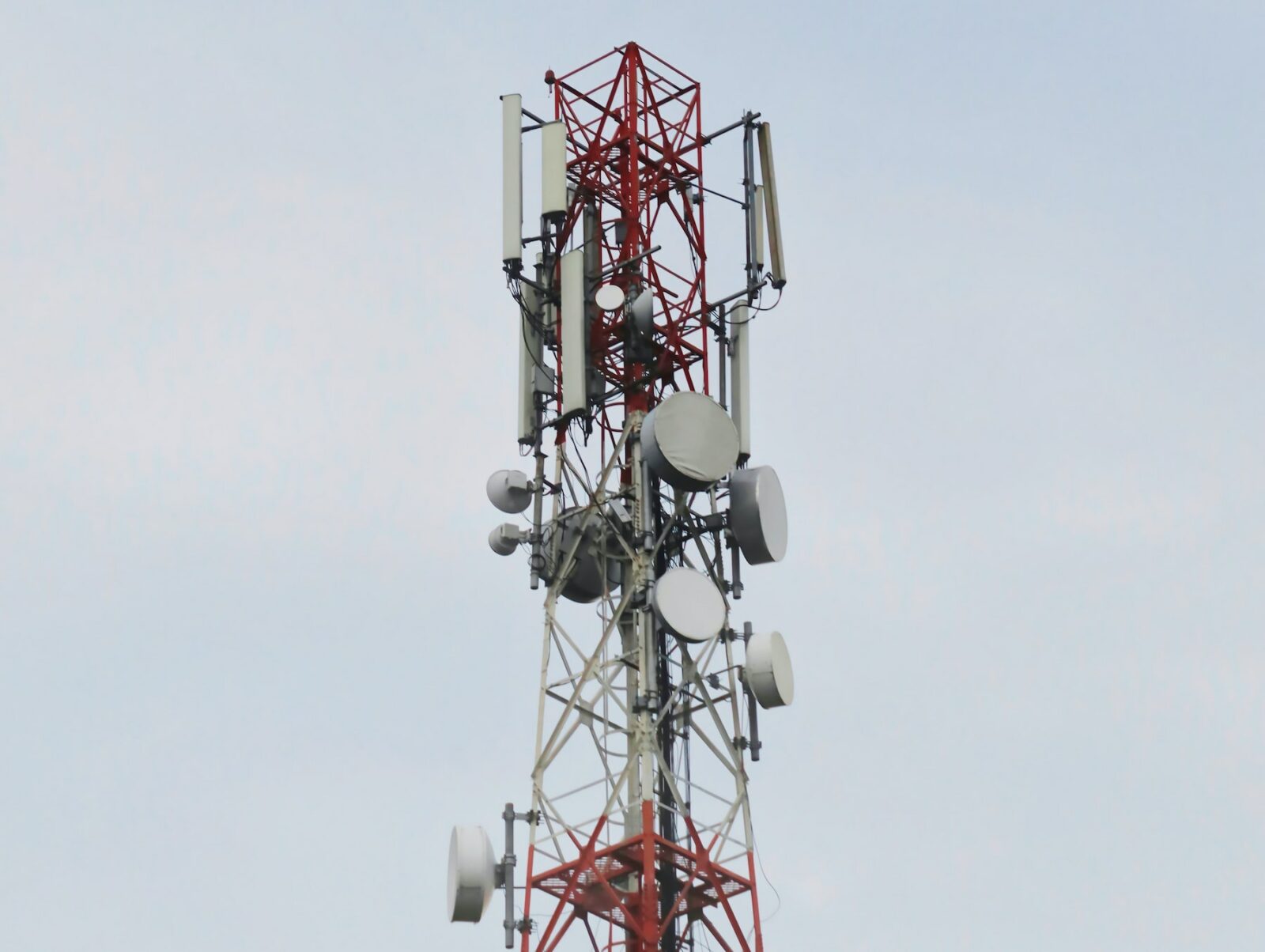
Studies investigating residents living near cellphone towers and base stations have reported complaints of neuropsychiatric problems, including headaches, memory issues, dizziness, depression, and insomnia.
Is 5G more harmful than previous technologies?
In short, scientists do not yet know.
While 2G, 3G, and 4G technologies transmit radio frequency and microwave radiation, 5G operates with millimeter wave radiation.
Millimeter wave radiation differs from microwave and radio wave radiation in that it operates at a higher frequency, facilitating faster signal transmission. However, due to a lack of government-funded studies, the potential health effects of millimeter wave radiation are still unknown.
What scientists do understand is that, unlike microwave cellular radiation, millimeter waves are unable to penetrate deeply into the body. Consequently, many scientists believe that 5G is safe.
Despite offering faster speeds, the high frequency of millimeter waves makes them weaker and prone to obstruction by leaves, rainwater, and walls. To ensure complete coverage, telecommunication companies must deploy more 5G antennas. However, since these antennas also transmit 2G, 3G, and 4G signals, the extensive rollout of 5G poses a potential health risk.
Antennas are being deployed roughly every 100 meters in urban areas, exposing people to higher levels of normal frequencies (3G and 4G) and additional millimeter waves that have not been thoroughly tested for long-term health effects.
Health impact of 5G millimeter waves
The health effects of 5G are still under debate, but researchers suggest that the millimeter radiation it employs might have the potential to induce health effects.
Although 5G’s millimeter waves may not deeply penetrate the body, they can be absorbed by the skin. It is similar to ultraviolet light, which does not penetrate the body but can cause skin melanomas.
A 2020 study on 5G radiation demonstrated that it can penetrate the skin by approximately 0.9 millimeters when transmitted from a distance of 10 centimeters.
While this depth is shallower compared to 4G and 3G, the radiation intensity is significantly higher. Moreover, a depth of 0.9 millimeters should not be considered insignificant. In a 2008 study on millimeter waves, the authors noted that a penetration depth of 0.65 millimeters is sufficient to affect most skin structures located in the epidermis and dermis.
Different cell types in the human body exhibit varying sensitivities to electromagnetic radiation and that biological heterogeneity must be taken into account. Simple physics cannot be solely relied upon to make accurate predictions about biological effects.
While the long-term health effects of 5G are still unknown, Pall’s research has shown that millimeter waves can trigger biological responses by altering cells’ electrical charges.
As telecommunications networks continue to evolve and 5G offers faster speeds and improved connectivity, understanding the impact on human health becomes increasingly important. The debate surrounding the potential health effects of 5G technology continues to be a matter of concern and controversy.