
We encounter this phrase throughout contemporary nutritional and medical articles: oxidative stress. It is implicated in an increasing number of diseases like cancer and other conditions. Health-conscious individuals can and should take actions to protect themselves against the damage of free radicals. These steps are simple, yet work as an effective defense against free radicals: a diet of whole, organic unprocessed foods, and supplemental anti-oxidants are available to everyone.
Oxidative stress (OS) is a condition rather than an actual disease. However, OS can lead to or accelerate a disease. OS happens when your body’s antioxidant supply is lacking and unable to neutralize free radicals. The result is cell damage that can lead to tissue breakdown, cellular mutations, or a compromised immune system.
Free radicals are highly unstable molecules that interact aggressively with other molecules in our systems that generate abnormal cells. They can penetrate the DNA of a cell and alter its blueprint. Then the cell will generate mutated cells that replicate quickly and without any normal controls. Their instability derives from unpaired electrons in their molecular structure, which cause them to negatively react to substances near them. Oxygen-free radicals, known as oxyl, are particularly bad.
Some free radicals are a part of normal life. When mitochondria burn glucose for fuel, they oxidize the glucose and produce free radicals. White blood cells may use free radicals to eradicate viruses and bacteria. Detoxifying your liver involves free radicals as well.
Still, free radicals are unstable and cause damage if not addressed. Free radicals destroy enzymes, cellular membranes, and DNA. They contribute to heart disease, cancer, and other diseases. And, they accelerate aging.
The process of breaking down or detoxification of certain chemical compounds releases free radicals into your system. Some foods contain free radicals and enter your body through consumption. The key sources of free radicals in foods come from oils heated to very high temperatures like vegetable shortening and vegetable oils.
How do antioxidants work?
Your body has a system of defenses to neutralize and control free radicals. Antioxidants stabilized free radicals by delivering the electron that they are missing. The antioxidants are used up in this process. The primary antioxidants are vitamins A, C, and E, glutathione, beta carotene, selenium, zinc, bioflavonoids, CoQ10, and certain phytochemicals from food and herbs. For instance, green tea is high in polyphenols, which are antioxidants that help fight cancer.
Some antioxidants protect against free radicals not only by destroying them, the inhibit the actual creation in your system. These particular antioxidants include glutathione peroxidase, superoxide dismutase (SOD), and catalase, and lipoic acid. Cholesterol produced by your liver is a key antioxidant that helps repair damaged blood vessels. This may explain why serum cholesterol levels rise as you age.
One of the antioxidants is particularly important. Glutathione is comprised of three amino acids: glutamic acid, glycine, and cysteine. It is part of the antioxidant enzyme glutathione peroxidase, which is the primary liver antioxidant. People with cancer, AIDS, Parkinson’s disease, or severe OS frequently have very low levels of glutathione.
Where do free radicals come from?
Free radicals come from processed highly heated oils. These include margarine and shortening and refined oils. Replace these harmful fats with natural, cold-pressed oils like olive oil, walnut oil, or flax oil. You can also choose organic butter or unrefined coconut oil, which has proven activity against bacteria, fungi, tumor cells, and harmful yeasts.
Monounsaturated fats (olive oil and cold-pressed nut oils) and saturated fats (from animals and tropical oils) are more chemically stable and less likely to turn rancid than polyunsaturated fats, which come from vegetable oils. Still, your body does need a small amount of naturally occurring polyunsaturated fats on a daily basis. You can get these through fish, flax oil, walnut oil, and dark green leafy vegetables. Avoid canola oil because of its trans-fatty acids (TFAs) and instability. TFAs are linked to heart disease, immune system dysfunction, and cancer.
Consuming too much sugar can also add to the damage by free radicals. This includes all types of sugars, which are found in nearly every processed food item in your grocery store like white and brown sugar, maple syrup, honey, fruit, and fruit juices. The liver converts sugars into triglycerides, which free radicals then attack. The damaged fats attack your arteries and contribute to cardiovascular disease. Plus, tumor cells and cancer are fueled by sugar. Limited sugar consumption is linked to cancer, heart disease, and other illnesses.
Your body releases free radicals when you embark on a program of detoxification from harmful substances like artificial food coloring, artificial food flavors, food preservatives, alcohol, cigarettes, legal and illegal drugs, pesticides, cleaning fluids, chlorinated drinking water, heavy metals like lead, and certain chemicals found in processed foods like benzene and naphthalene.
High levels of emotional and mental stress may add to oxidative stress. When you experience high levels of stress, your body generates hormones that can produce free radicals. Your liver must work harder to detoxify them.
In other words, living in our modern environments means that we are exposed to free radicals from many sources. We should be taking preventative measures daily.
Determining whether you have OS
Health professionals will look for certain by-products excreted by the body mostly through urine. These by-products are lipid peroxides, oxidized DNA bases, and malondialdehyde from damaged proteins and lipids. Higher levels of these markers indicate a chance of an OS-induced condition, or the acceleration of an existing condition. For instance, individuals with Down’s Syndrome may have significant oxidative stress due to a higher cellular production of hydrogen peroxide. This development may lead to Alzheimer’s-like symptoms in their 30s. You can ask your own health care provider to order the test.
Solutions to OS
The first step is to avoid the stressors listed above as much as possible. Then embrace a diet that includes foods and herbs rich in antioxidants. The top 20 foods are:
- Small red beans
- Wild blueberries
- Red kidney beans
- Pinto beans
- Cultivated blueberries
- Cranberries
- Artichokes
- Blackberries
- Prunes
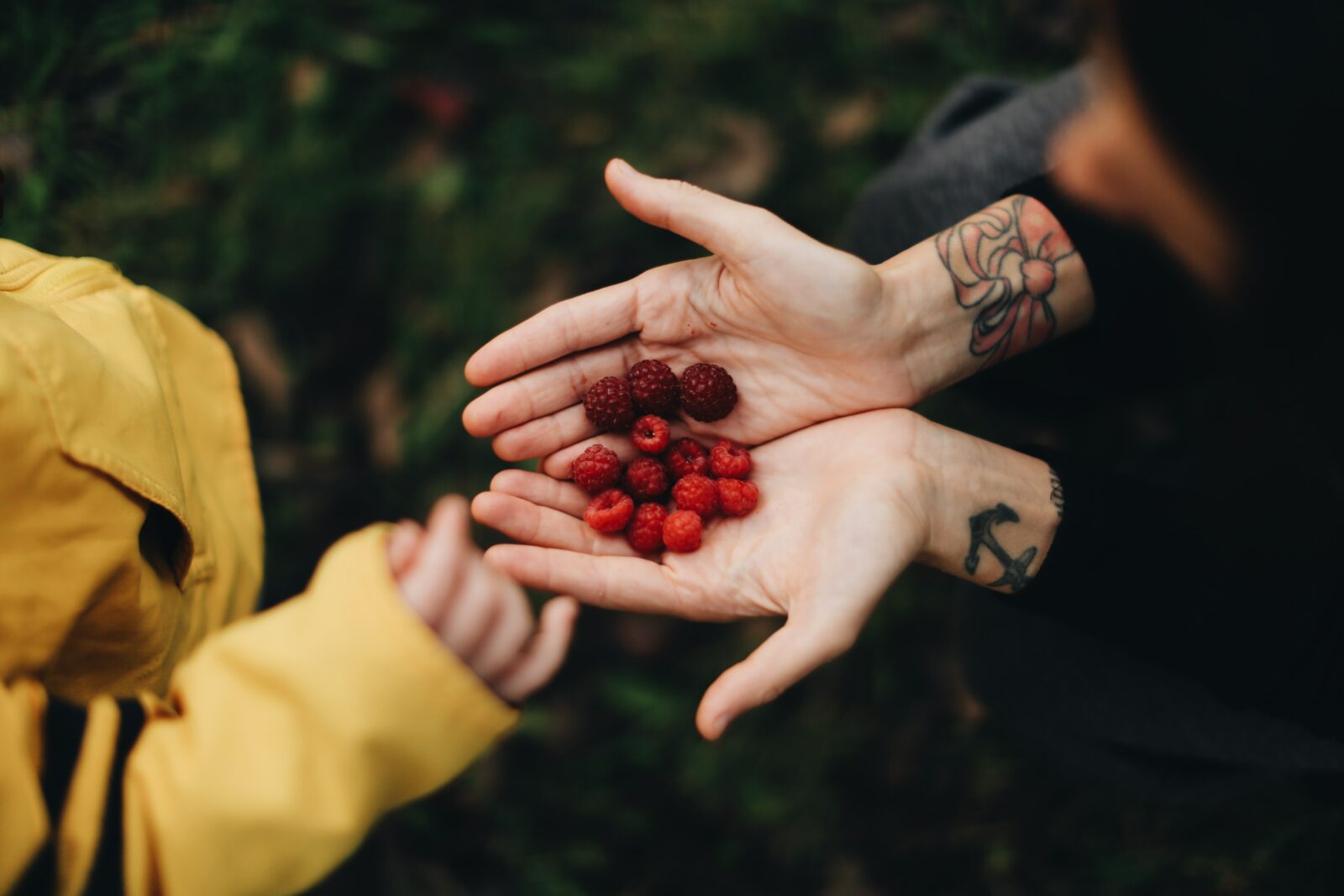
- Raspberries
- Strawberries
- Red delicious apples
- Granny Smith apples
- Pecans
- Sweet cherries
- Black plums
- Russet potatoes
- Black beans
- Plums
- Gala apples
- Dark leafy greens
The top herbs and spices for antioxidants are:
- Cinnamon
- Oregano
- Turmeric
- Cumin
- Parsley
- Basil
- Curry powder
- Mustard seed
- Ginger
- Pepper
- Chili powder
- Paprika
- Garlic
- Coriander
- Onion
- Cardamom
- Sage
- Thyme
- Marjoram
- Tarragon
- Peppermint
- Dill
The last step is to consider adding supplements. While food sources provide the best antioxidants, if you are exposed to a highly polluted environment, have a lot of extreme stress, smoke, or already have a condition associated with oxidative stress, then supplements may be an option.
Supplements
Research confirms that antioxidants are more effective when taken in combination. Different antioxidants neutralize different free radicals. Taking several antioxidants will help neutralize more free radicals. If you have a particular condition, you can weight the antioxidants based on that condition. If you have hepatitis, AIDS, liver disease, or Parkinson’s, then glutathione is appropriate. Vitamins E and C help address arteriosclerosis. CoQ10 addresses heart disease and alpha-lipoic acid is appropriate for diabetes. Check with your health care professional to help select the best antioxidant combination for your needs.
Staying on top of oxidative stress is a necessity in our increasingly toxic world. Taking care to avoid those toxins as much as possible and to enrich our diets with life-giving antioxidants is a wise step to take in our endless quest for wellness.