
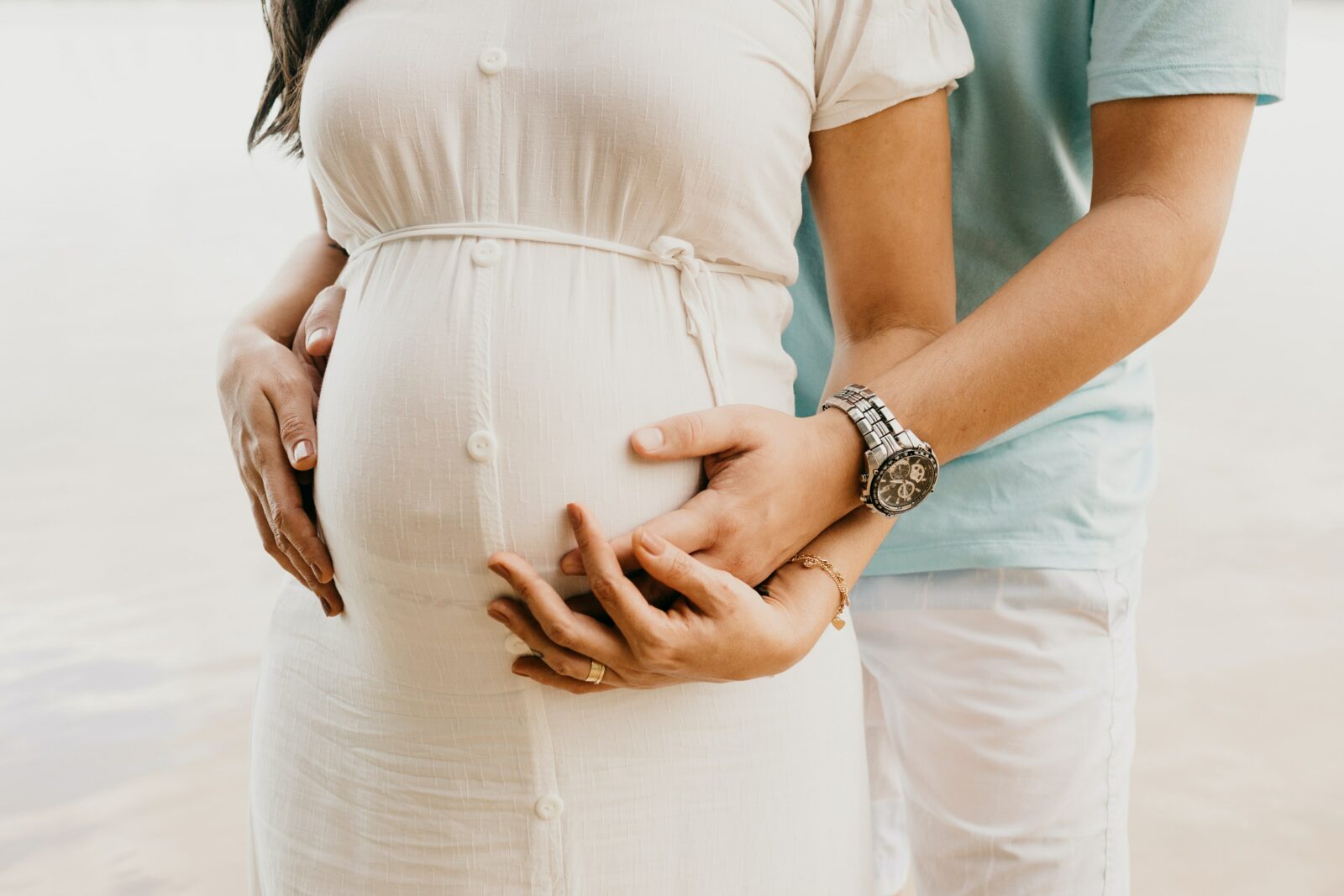
Getting pregnant results in a huge shift in your micronutrient and macronutrient needs. You need to eat right to ensure a healthy pregnancy, provide key nutrients to the growing baby, and avoid any risks of harm to the fetus.
It’s important to eat mindfully. Eating for two doesn’t mean eating twice the amount of food. It means choosing food wisely to ensure that you deliver the necessary calories, macronutrients, vitamins, minerals, and fluids to the baby.
Eating properly can help ensure the following:
- Brain development. Nutritional deficiencies may seriously impact the brain development of a fetus leading to long-term consequences. You need adequate protein, omega-3 fatty acids, glucose, iron, zinc, copper, iodine, vitamin B12, and choline.
- Organ development. You need vitamin D and calcium to support organ development. Deficiency in this vitamin and mineral may lead to lower fetal weight and a higher risk of fetal death.
- Proper birth weight. Some women restrict their calories to avoid gaining weight. However, inadequate calories may cause low birth weight for the baby. This can cause serious long-term problems for the child. Rather than consuming empty calories, make sure your food choices are high in nutrients.
- Mental health. Eating too many unhealthy foods during pregnancy may increase the risk of behavioral and emotional problems.
- Eating habits. Your own eating habits during pregnancy can impact your child’s future eating habits. It may contribute to a willingness to try new foods, or fussy eating.
- Long-term health. Research shows that your diet during pregnancy may impact your child well into adulthood. Inadequate maternal nutrition may result in chronic, adulthood illnesses such as hypertension, heart disease, heart attacks, stroke, and diabetes.
- Health of the mother. Let’s not forget your needs! Poor nutritional choices can increase the risk of morning sickness, fatigue, heartburn, digestive issues, and swelling. In addition, studies show that poor maternal nutrition may result in iron deficiency, anemia, high blood pressure, and pregnancy complications. A nutritious maternal diet can reduce the risk of gestational diabetes, preterm labor, and postpartum depression. Adequate zinc, vitamin D, and selenium is important for the prevention of postpartum depression.
What to avoid during pregnancy
You’re now focused on the right nutritional needs for you and your growing baby. But, are there any foods to avoid? Yes. You need to be just as mindful about what to avoid.
- Lunch meat and undercooked meat and seafood. Deli and lunch meats can sometimes be contaminated with listeria. This can cause an infection in the fetus and result in blood poisoning. Undercooked meat and seafood may increase the risk of toxoplasmosis.
- High-mercury fish. Mercury is toxic for everyone. High-mercury fish includes shark, king mackerel, tilefish, swordfish, and canned, chunk, light tuna. It can increase the risk of brain damage and developmental delays.
- Raw eggs. Raw eggs increase the risk of contracting a salmonella infection, which can cause stomach cramps, nausea, vomiting, diarrhea, and other gastrointestinal symptoms. This includes foods that contain raw eggs like uncooked cookie dough.
- Trans fats and processed vegetable oils. Trans fats and hydrogenated oils may raise your cholesterol levels to levels that can impact the weight of your baby. Avoid deep-fried foods, fast food, frozen pizza, some commercial baked goods, and many processed foods.
- Alcohol. Most prospective mothers have heard about the dangers of fetal alcohol syndrome. There are more reasons to completely avoid alcohol while pregnant. There is no definitive way to determine how much alcohol may cause lower birth weight or poor cognitive development. Thus, it is absolutely crucial to simply abstain during the entire pregnancy.
- Caffeine. One 2013 study suggested that drinking over 300 milligrams of caffeine while pregnant can result in problems. One average cup of coffee has approximately 75 to 140 milligrams of caffeine for reference. Green tea and black tea have caffeine as well. The greatest problem is that caffeine is a diuretic. You want to stay hydrated during pregnancy. One or two cups of coffee may be ok. Limit intake of other beverages that contain caffeine like energy drinks, sodas, chocolate, and other caffeinated foods or drinks.
- Gluten. According to a 2020 study, maternal consumption of gluten-containing products during pregnancy may raise the risk of childhood Celiac disease. Celiac is a common autoimmune disease.
What to eat during pregnancy
So what can you eat while pregnant? Look for nutrient-dense whole foods with plenty of macro- and micronutrients. Here are some specific recommendations.
- Choose organic when possible
- Use healthy fats including sources like avocados, coconut oil, coconut butter, pasture-raised butter and ghee, nuts, and seeds
- Get plenty of lean protein
- Eat healthy carbs
- Drink filtered water and avoid plastic bottles
- Eat smaller amounts more frequently to maintain steady glucose levels
Supplements during pregnancy
Along with eating a healthy diet and drinking plenty of water to stay hydrated, it is crucial that you take supplements that support a healthy pregnancy and a growing baby.
- Prenatal vitamins with adequate amounts of methylated folate/B12 and choline
- High-quality protein powder for prenatal needs. Look for a protein powder that also has added B complex vitamins, vitamin A, vitamin C, trace mineral, and CoQ10.
- Vitamin D. This is crucial to preventing gestational diabetes mellitus, pre-eclampsia, certain tissue-specific disorders, low birth weight, low fetal size, poor body mineralization, childhood asthma,and preterm delivery.
- Omega 3’s (EPA/DHA). These are important to the baby’s developing brain and retina.
- Zinc. Deficiencies in zinc are linked to reduced birth weight, congenital malformation, intrauterine growth retardation, fetal loss, preterm labor, prolonged labor, and post-term delivery.
- Probiotics. Probiotics may help reduce postpartum depression and postpartum anxiety.
- Digestive Enzymes. Digestive enzymes can help with pregnancy related issues like nausea, vomiting, constipation, heartburn, and in some cases liver issues.
- Calcium and Magnesium. These are important for the bone development of your baby. They can also help during birth. Magnesium helps relax muscles, and calcium helps support contractions.
Supplements to avoid
Some supplements may cause problems during pregnancy, even increasing the risk of miscarriage or preterm labor.
Anti-microbial herbs like berberine, oregano oil, clove, wormwood, or black walnut. These herbs can cross the placenta, harm the developing baby, and may increase the risk of miscarriage.
Herbs that enhance liver detoxification such as fennel, dandelion, yarrow, cilantro, burdock herbal supplements should also be avoided. Just like anti-microbial herbs, these liver detoxification herbs can cross the placenta, harm the growing baby, and cause premature birth or miscarriage.
Herbs that modulate hormones like dong quai, black cohosh, and red clover should also be avoided. They can increase the risk of miscarriage and premature birth.
Final thoughts
Adhering to sound nutritional principles and a healthy diet during pregnancy are so crucial to ensuring a healthy baby, a trouble-free pregnancy, and maternal health. Choose nutrient rich foods, stay away from certain things like alcohol, and drink plenty of water.
Always communicate with your obstetrician. These steps listed above are sound advice and natural ways to optimize your experience as an expecting mother, which is a truly wonderful experience.