
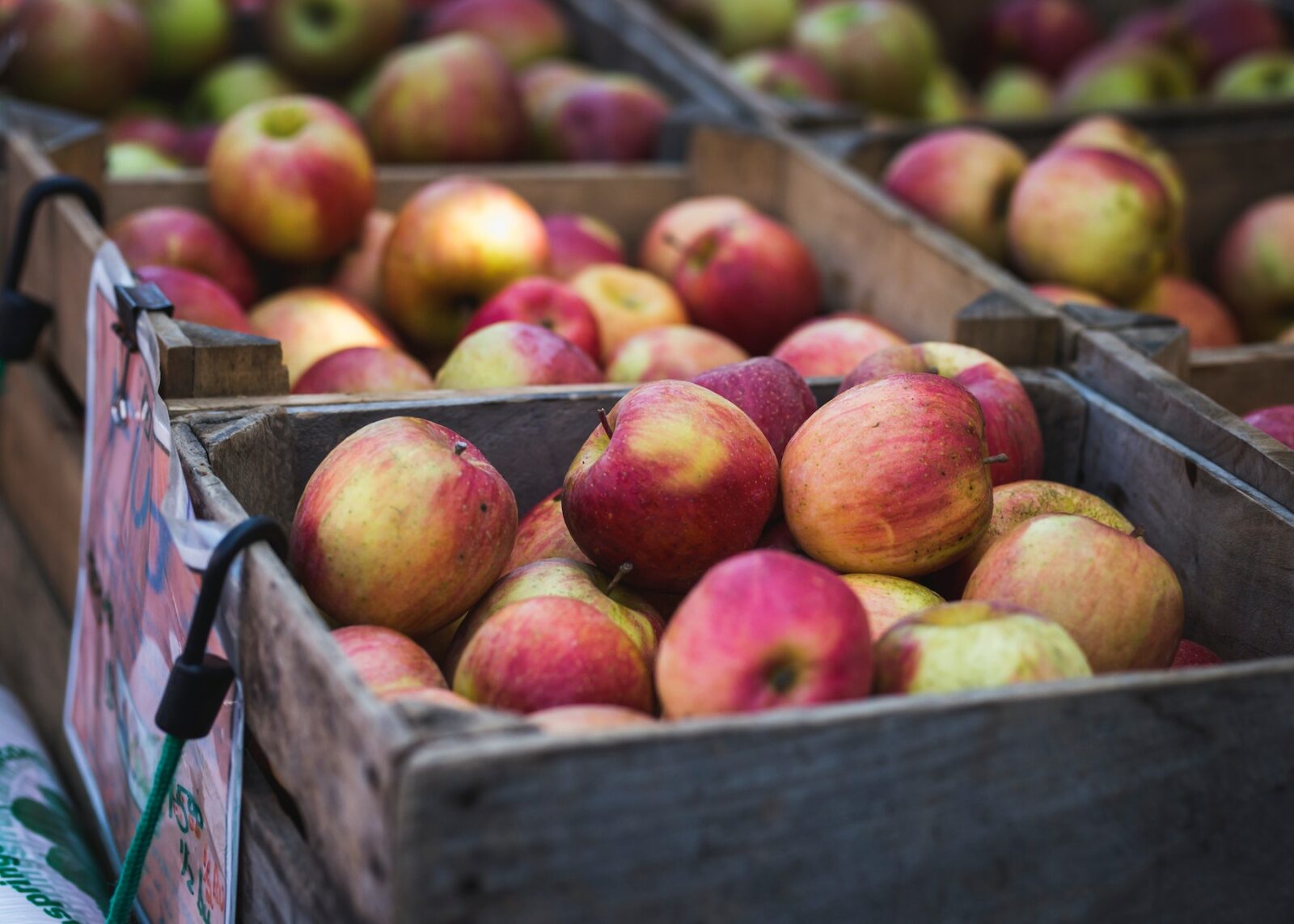
This ancient proverb holds truer and more authoritative today than ever before. In the modern age, medical practitioners come equipped with a range of tests, medications, and procedures, all of which carry unintended and adverse health risks that often outweigh their supposed benefits. It is therefore advisable to avoid them whenever possible.
While some may perceive this initial saying as mere folklore, the fact remains that the biomedical literature extensively documents the medicinal properties of apples.
For instance, numerous studies have investigated the relationship between apple consumption and a reduced risk of colorectal cancer. Preclinical research has also examined the effects of apple components on the eradication of various types of cancers, including liver, breast, multi-drug resistant, esophageal, and stomach cancers. Apples have been found to inhibit cancer initiation and promotion processes, making them potentially effective against a broader range of cancers than those mentioned.
Furthermore, apples have been shown to aid in the removal of carcinogenic radioisotopes that accumulate in our bodies due to nuclear weapons fallout, depleted uranium munitions, and nuclear energy-related pollution. Apple pectin, for instance, has been used to decrease Cesium-137 levels in children exposed to the aftermath of the Chernobyl disaster. Apple pectin has also demonstrated the ability to prevent the absorption of Plutonium-239, a highly dangerous man-made radioisotope, in animal gastrointestinal tracts.
Given these remarkable attributes, it can be said that “an apple a day keeps the nuclear fallout away.” Few other substances, whether natural or synthetic, have shown such protective effects against plutonium exposure. In this regard, apples can truly be considered superfoods.
Additionally, apples have been associated with several other evidence-based health benefits. They have been found to aid in the treatment of diarrhea when combined with chamomile. Preclinical research suggests that apple compounds prevent the formation of arterial plaque, thereby reducing the risk of atherosclerosis. In a human study, overweight women experienced significant weight loss when consuming three apples or three pears daily. Apples have also exhibited anti-aging effects on brain function and have shown promise in preventing cognitive decline. They have been found to reduce bowel inflammation, counteract vaccine-induced toxicity, protect against periodontal disease, combat advanced glycation end-products, promote hair growth, inhibit staphylococcal infections, and even possess potential anti-influenza properties.
The range of scientifically confirmed therapeutic properties of apples is extensive. To explore the full spectrum of their benefits, refer to the resource “Apple’s Health Benefits.”
Ultimately, this research emphasizes the importance of whole foods for our overall health. Apples are not medicines themselves; rather, they serve as a means to render medicines unnecessary. Genuine nourishment and detoxification, both of which fruits provide, play vital roles in disease prevention and treatment. It is worth noting that these statements are unlikely to be evaluated or approved by the FDA, despite their truthfulness. Fruits, in general, are highly beneficial for humans, as evident from over 300 experimentally confirmed health benefits recorded in our database thus far. Our evolutionary history, as revealed through modern genetic testing, suggests that our pre-human ancestors lived in a jungle environment where fruits were available year-round.
This historical context may explain why we no longer synthesize vitamin C from glucose. The abundance of fruit throughout our evolutionary journey led to a genetic mutation or atavism that caused us to lose this capability. Plants and animals exist in symbiosis. Just as our lungs take in oxygen and release carbon dioxide, which is vital for plants, the fruits of these plants provide seeds for dispersal and flesh to entice us to consume them. Fruits, therefore, represent a food source as ancient as the origin of humanity itself. Could this be one reason why apples exhibit such remarkable healing properties? Perhaps.
The next time you bite into a crisp, fresh, organic apple, consider the multitude of benefits it offers, not just in theory, but through a visceral experience. Enjoy the sensation firsthand, knowing that the word “fruit” originates from the Latin word “frui,” meaning to enjoy. Additionally, if you’ve never tried an apple mono-diet, consider giving it a go. It is not so much a fruit fast as it is a feast. Simply grab a bag of organic apples and consume one whenever you feel hungry. You’ll be pleasantly surprised by how quickly you feel satiated and how invigorating and purifying an exclusive diet of such a simple, perfect food can be. This approach can be followed for a day or two, often resulting in a complete sense of renewal and refreshment.