
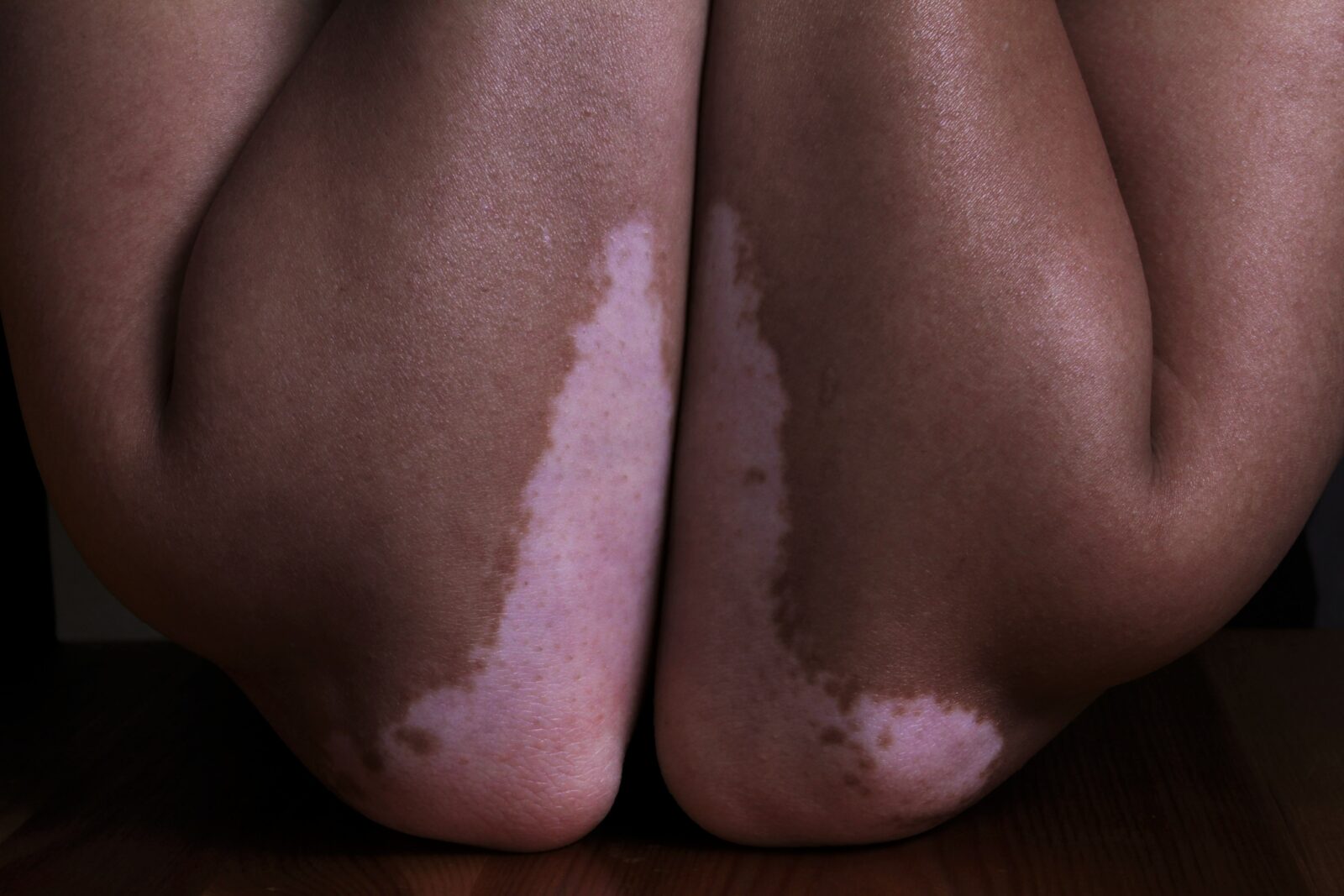
Vitiligo is a skin condition that results in loss of pigmentation in patches of your skin. It most commonly affects the feet, face, hands, and arms. However, vitiligo may also be found in the mouth, mucous membranes, inner ear, eyes, genitals, and hair. Vitiligo can affect a person of any age, ethnicity, or gender. Certain factors can increase your risk of developing the condition. Conventional medicine uses creams, surgery, medication, or coverage to treat it, although you can find some natural supports for vitiligo to improve your overall well-being.
Let’s take a deeper look at what the condition is,
What is vitiligo?
Vitiligo affects approximately 1% of the world’s population according to the American Osteopathic College of Dermatology. It is an autoimmune skin condition that results in patches of the skin losing pigmentation due to melanocyte loss. The immune system attacks and destroys the melanocytes, which produce skin pigment. The skin loses its color and becomes white.
Vitiligo may affect the skin, eyes, inner ear, mucous membranes, and hair. The most common affected areas include your hands, feet, arms, face, genitals, nostrils, mouth, mucous membranes, ear, and back of the eye. It may also affect your hair and cause white or grey hair.
Vitiligo may affect all ages, both sexes, and any ethnicities. The most common type is Vitiligo Vulgaris or common vitiligo. However, other types include linear, trichome, segmental, and inflammatory vitiligo. Vitiligo is not contagious and is generally considered to be an autoimmune condition.
Major Symptoms of Vitiligo
- Change of color of the retina of the eyes
- Inflammation of the ears or eyes and related hearing or vision problems
- Major symptoms of vitiligo may include:
- Patches of the skin losing color or turning white, usually on the hands, feet, arms, or face
- Patches of hair, including hair on the head, eyelashes, eyebrows, and beard turning grey or white early
- Loss of color the inside of your mouth or nose
Risk factors of vitiligo
Vitiligo may affect anyone, including all ethnicities, sexes, and ages. In most people, vitiligo shows up before the age of 20.
The causes of vitiligo are unclear but several factors may increase your risk including:
- Family members with vitiligo
- Environmental triggers, including sunburn or skin injuries
- Genetic factors with over 50 genes linked to a risk for vitiligo
- High level of stress
- Having family members with specific autoimmune disorders including type 1 diabetes, thyroid issues, scleroderma, alopecia areata, psoriasis, Addison’s disease, and rheumatoid arthritis.
- Being under 20
Pathogenesis of vitiligo
Vitiligo begins in only one or just a few small areas of the skin. It gradually spreads over the body over months or longer. Most of the first patches will appear on the arms, feet, or hands. They may eventually spread to the nose, moist inner lining of your mouth, genitals, rectal area, inner ears, and eyes.
Larger patches may widen and spread over time. Smaller patches may shift, change, and spread over time. Symptoms may vary from patient to patient. The spread and severity of vitiligo may determine your treatment options and their success.
Diagnosis and conventional treatment options
During your first doctor’s visit, your health care provider will review your medical history, family health history, and symptoms. They will perform a physical exam and may order some labs.
They may use an ultraviolet lamp called the Wood’s lamp to detect patches of vertigo. On occasion, vitiligo may be mistaken for another skin condition. They may order blood tests for diabetes, thyroid issues, anemia, or other issues, and they may send a sample of skin for a biopsy.
Conventional treatment options depend on the type of vitiligo, the location and size of the patches, the severity, and how widespread the patches are across the entire body. Treatment may include:
- Oral medications, including steroids and antibiotics to reduce vitiligo
- Psoralen and ultraviolet A (PUVA) therapy is a combination of a psoralen pill or cream and UVA light to restore your skin color.
- Prescription topical creams, including corticosteroids, may help to return the color of the skin and allow small growth. Skin grafting is a surgical option for
- those who have had no new or worsening patches for at least 12 months, which removes and transfers pigmented skin to depigmented areas.
- Melanocyte transplants, another surgical option for those who have had no new or worsening patches for at least 12 months which remove melanocytes, grow them in a lab, then transplant them to depigmented areas.
- Narrow UVB light as an alternative to PUVA therapy with fewer side effects and as a home treatment option.
- Excimer laser treatment to improve small patches over a four-month period used 2 to 3 times a week.
- Depigmentation for people with widespread vitiligo affects 50 percent of their skin to fade the remaining areas to match the affected skin.
- Micropigmentation, another surgical option for those who have had no new or worsening patches for at least 12 months, tattooing pigment into the skin.
- Sunscreen to reduce sun exposure and to keep the skin even and reduce damage.
- Cosmetics, including self-tanning lotions and make-up, to cover affected areas.
- Therapy, counseling, or psychiatric medication to reduce negative mental health effects and improve your quality of life.
Root causes of vitiligo
If you have developed vitiligo, it is important to become educated on the root cause factors that can compromise your health and may worsen the condition. In addition, these factors may increase your risk of developing vitiligo.
Vitamin D deficiency
Vitamin and mineral deficiencies can pose a serious health risk. Vitamin D is a critical vitamin for your immune, bone, muscle, brain, and overall health. A 2013 review published in the Indian Journal of Dermatology, Venereology, and Leprology has found that vitamin D deficiency is common and may play a role in vitiligo.
A 2013 clinical trial published in Photodermatology, Photoimmunology, and Photomedicine found that out of 40 vitiligo patients, 39 were deficient in vitamin D, versus only 5 out of 20 patients without vitiligo and autoimmunity had vitamin D deficiency. This means that vitamin D deficiency is much more common in people with autoimmunity and vitiligo versus the general population.
In a 2016 meta-analysis published in Photodermatology, Photoimmunology, and Photomedicine researchers looked at 383 articles identifying 17 qualifying studies and 7 studies for random-effects with data of 1200 patients. They found a significant relationship between vitamin D deficiency and vitiligo. More research is needed to prove that a vitamin D deficiency causes vitiligo.
A 2013 case control published in the Indian Journal of Dermatology has found that about 40 percent of patients with vitiligo had insufficient levels of vitamin D, and 26.7 percent were deficient. 96.7 percent of the control participants without vitiligo have normal vitamin D levels.
Zinc deficiency
Zinc is a key mineral for your immune health, yet, deficiencies are common. Research suggests that zinc deficiency may be linked to vitiligo. A 2018 case-control study published in the Indian Journal of Dermatology found that zinc deficiency is common in people with vitiligo. They found that low zinc levels were correlated with the duration of the disease.
A 2017 study published in Advances in Dermatology and Allergology found that patients with vitiligo are more likely to have low zinc levels.
Insulin resistance
Insulin resistance is a condition in which your body is unable to respond to insulin well and can’t use glucose for energy as it should. As a result, your pancreas increases its production of insulin, which then leads to higher blood glucose levels. Insulin resistance can lead to prediabetes, type 2 diabetes, and blood sugar fluctuation. It may increase your risk of other health issues as well.
A 2015 study published in the Scientific World Journal found a link between insulin resistance and various skin conditions including vitiligo, acne, and psoriasis. Another study found a higher incidence of metabolic syndrome in patients with vitiligo.
Another study investigated the fasting blood samples, insulin, C-peptide, glucose, total cholesterol, triglyceride, low-density lipoprotein-cholesterol (LDL-C), and high-density lipoprotein-cholesterol (HDL-C) of 96 patients, 57 with vitiligo and 39 controls. If found an association between vitiligo and insulin resistance.
Gut dysbiosis
Over 100 trillion microbes reside in your gut. Some are harmful; others are beneficial. These bacteria need to be in balance to create health and homeostasis in your body.
If your microbiome has too many harmful bacteria and too few goods or beneficial bacteria, it causes dysbiosis or an imbalance. It may affect your entire body including your skin. Gut dysbiosis may be a contributing factor in the development of vitiligo.
A 2020 study looked at 30 patients with vitiligo and 30 without vitiligo. The researchers found that gut dysbiosis was more common in those with vitiligo and may be linked to vitiligo. The two bacteria that may be contributing were Psychrobacter and Corynebacterium1.
Skin dysbiosis
Just like your gut, your skin also has its own microbiome with 1.5 trillion bacteria. Some are harmful, and some are beneficial. They may become imbalanced with too many harmful bacteria, which may increase your risk of vitiligo.
A 2016 review published in Science Reports found that the skin microbial profiles of lesion and non-lesion vitiligo patients were different. However, four specific phyla dominated including Actinobacteria, Proteobacteria, Firmicutes, and Bacteroidetes.
A 2021 study found that both skin and gut dysbiosis can contribute to immune and mitochondrial changes in patients with vitiligo. Researchers have found that vitiligo patients had depleted levels of α- and β-diversity between samples with decreased richness and distribution of species.
B vitamin deficiency
B vitamins are necessary for your brain, nerve function, energy levels, cellular health, and skin health. Deficiencies in B vitamins may increase your risk or worsen your vitiligo.
A 2012 study found that deficiencies in vitamin B12 and folic acid levels may be linked to vitiligo. A 2018 systematic review and meta-analysis published in the Journal of the American Academy of Dermatology suggested that low vitamin B12 and folate and higher serum homocysteine levels are common in those with vitiligo.
High toxic load
Toxins exist throughout our modern world and include pesticides, air pollution, chemicals in cleaning products, toxins in body and beauty products, toxins in tap water, plastics, etc. It’s advisable to lower your toxin exposure as much as possible. Toxins like cadmium, lead, and mercury may increase your risk and worsen vitiligo.
A 2011 study found higher mercury levels may contribute to vitiligo. A 2021 study published in The Science of the Total Environment has found that higher mercury, lead, and cadmium levels in the blood of patients with vitiligo and psoriasis.
Natural support strategies if you have vitiligo
As noted above, conventional treatment options include medications, surgery, creams, and covering the affected area. In addition, you may wish to follow several natural support strategies for vitiligo.
Reduce stress & improve sleep
A 2021 study published in the Journal of American Academy of Dermatology showed that stress can trigger the onset and increase the progression of vitiligo. Another study in the middle east found that anxiety, stress, and depression are common in patients with vitiligo. Not only can stress trigger vitiligo, but vitiligo can also worsen stress, depression, and anxiety.
Poor sleep can contribute to chronic stress, but stress and mental health issues due to vitiligo can also increase sleep issues. A 2021 study published in Clinical, Cosmetic, and Investigative Dermatology has found that insomnia is highly prevalent in vitiligo patients. Nearly 50% of the 409 participants with vitiligo reported insomnia and close to 60% of them develop insomnia as a direct result of vitiligo.
The researchers investigated the factors that may contribute to vitiligo-related insomnia including the severity of the disease, type of treatment, and visibility of the affected patches. Using corticosteroids for treatment increased the risk of insomnia.
Try detoxification
Studies show that a heavy toxin load, especially lead, mercury, and cadmium, may increase your risk and worsen your vitiligo. A high toxin load may also increase the risk of chronic inflammation, insulin resistance, gut dysbiosis, and autoimmunity, all of which may contribute to vitiligo. Reducing your toxic load and opening up your detoxification pathways may decrease those risks and provide greater overall well-being.
Choose organic foods. Reduce your exposure to household chemicals. Consider removing mercury amalgam fillings, use indoor water and air filtration systems, avoid smoking cigarettes and avoid second-hand smoke. Consider activated coconut charcoals to remove toxins from your gut. Eat an anti-inflammatory, antioxidant-rich diet. Stay hydrated with water and support detox through urine and sweat.
Other options include infrared sauna, rebounding, dry-skin brushing, and kidney and liver support supplements.
Anti-inflammatory diet
A 2016 review published in Immunology Reviews has found that innate inflammation and cellular stress both play a role in the development of vitiligo. A 2017 review published in Dermatology Clinics has found that diet may play a role in the outcome of vitiligo. Researchers found that gluten may trigger vitiligo.
Switch to an anti-inflammatory diet that eliminates refined oils, refined sugars, processed and canned meat, conventional dairy, non-organic produce, junk food, additives, artificial ingredients, and highly processed foods.
Focus on consuming greens, vegetables, herbs, spices, fermented foods, grass-fed meat and butter, pasture-raised poultry and eggs, organ meats, wild-caught fish, and wild game. Eat plenty of healthy fats, including omega-3-rich fish and seafood, nuts and seeds, avocados, grass-fed butter and ghee, olives, and coconut oil. Use anti-inflammatory and antioxidant-rich herbs and spices n your cooking, including turmeric, ginger, cinnamon, basil, rosemary, dill, cloves, cayenne pepper, black pepper, onion, and garlic.l
Avoid food sensitivities
Food sensitivities and intolerances may cause chronic inflammation and trigger various symptoms and health issues, including vitiligo. A 2017 review published in Dermatology Clinics has found that gluten may trigger vitiligo. A 2013 review published in the International Journal of Preventative Medicine has found that celiac antibodies were more prevalent in vitiligo patients than in the non-vitiligo group
Other food sensitivities seen in autoimmune patients include gluten, casein, cow’s milk, egg white, gliadin, rice, and wheat being the most common culprits. Once you have determined your food sensitivities, eliminate them from your diet.
Intermittent fasting
As noted above, insulin resistance and gut dysbiosis can increase the risk of developing vitiligo. Intermittent fasting may help to reduce these factors. It offers a number of benefits, including better insulin sensitivity, improved gut health, and cellular regeneration.
A 2020 study found that 16 to 20 hours of daily intermittent fasting can significantly improve the gut microbiome. A 2018 review found that Ramadan fasting, a form of intermittent fasting, may improve various skin conditions, including vitiligo, and support skin renewal.
A 2019 systematic review and meta-analysis published in the Journal of Clinical Medicine has found that intermittent fasting may reduce insulin resistance, improve glucose metabolism, and reduce body mass index.
Intermittent fasting is done daily by taking a break between eating for 12 to 16 hours. It typically includes your overnight sleep.
Regular sun exposure & optimize vitamin D levels
Research shows that vitamin D deficiency is common in and may be linked to vitiligo. Optimizing your vitamin D levels may help. To improve your vitamin D levels, spend time in the sun every day when possible. If that is not possible, a vitamin D supplement may be considered.
Typically, taking 1,000 IU per 25 lbs. of body weight should get your levels into a healthy range. You may want to test your vitamin D levels annually and try to maintain levels between 50-100 ng/ml. Some doctors suggest that a therapeutic level for major health conditions is between 70-100 ng/ml.
Improve stomach acid levels & gut health
Research has shown that low stomach acid levels and poor gut health may be linked to vitiligo. Improving your stomach acid levels and gut health is crucial for your overall well-being and may help vitiligo.
Eating an anti-inflammatory and gut-friendly diet is the first step. You may benefit from liquid nutrition until your stomach acid levels and gut health improves. Add fermented foods, such as sauerkraut, kimchi, pickles, pickled ginger, and other fermented vegetables that all contain organic acids, enzymes, and probiotics which help to improve digestive juice secretions. You might also try fermented drinks, such as apple cider vinegar, coconut kefir, and kombucha. Additionally, take daily probiotic supplements to support your microbiome health, digestive enzymes to support digestion, and a supplement with betaine hydrochloric acid to support stomach acid production and bile flow.
Regulate your stress levels as well. If you have high levels of stress, your body will be in the fight, flight, or freeze mode. It will be difficult for your body to produce enough stomach acid in the condition. Relaxation prior to eating can help improve stomach acid production
Stop drinking fluids 30 minutes prior to eating your meal. This allows for proper stomach acid activity, sterilization, and protein metabolism.
You may also improve digestion and stomach acid levels with ginger. You can use it to season your food, add it to tea, or make ginger tea. You can also add fermented ginger to your diet, which is common in Asian dishes such as kimchi.
Optimize zinc, B12 & folate levels
Zinc, vitamin B, and folate deficiencies are common in people with vitiligo and may be linked to the disease. A 2020 patient-controlled prospective study published in Dermatologic Therapies has found that zinc may have therapeutic benefits for those with vitiligo. A 1997 study published in Acta Dermato-Vermatologica has found that vitamin B12, folate, and sun exposure may help to improve vitiligo.
Zinc-rich foods include grass-fed meat, pasture-raised poultry, nuts, seeds, oysters, peas, and chickpeas. You may also consider a high-quality zinc supplement. Foods that are rich in B vitamins include meat, seafood, leafy greens, seeds, and liver.
Consider phototherapy
If you have vitiligo, you may benefit from phototherapy. A 2017 systematic review and meta-analysis published in JAMA Dermatology has found that phototherapy may benefit vitiligo. Researchers looked at the benefits of both narrowband UV-B (NBUVB) phototherapy and undergoing psoralen-UV-A (PUVA) phototherapy and both showed at least mild improvements.
A 2019 review published found that photobiomodulation (PBM) therapy which uses an “exposure of biological tissues to low-level laser light (coherent light) or light-emitting diodes (LEDs; noncoherent lights)” may benefit repigmentation of vitiligo.
A 2013 study found that low-level laser light therapy may benefit vitiligo and other skin disorders. A 2014 controlled trial published in Photomedicine and Laser Surgery has found that red and near-infrared light therapy may benefit your skin health. There is also an ongoing clinical trial at the University of British Columbia that is looking at the benefits and effectiveness of red-light therapy for vitiligo.
Red light therapy is a therapeutic technique and an alternative healing method. It uses red low-level wavelengths of light for a variety of purposes, including wound healing, scars, and other skin issues, inflammation, pain, hair growth, and sleep quality. You can find devices for red-light therapy to use at home available in the marketplace.
Using antioxidant herbs and compounds
You may also benefit from using antioxidant herbs and compounds for vitiligo. A 2021 review in Dermatology Reports has discussed how oxidative stress may play a role in vitiligo and what strategies may help. The researchers found that those with vitiligo may benefit from antioxidants for anti-inflammatory, immune-protecting, and free-radical-reducing benefits.
Researchers found that green tea may be beneficial for vitiligo due to its anti-inflammatory, antioxidant, and immunomodulatory properties. They found that you may also benefit from alpha-lipoic acid for its antioxidant benefits at 50 mg twice a day orally. Researchers found that Polypodium leucotomos, a tropical fern, may be beneficial due to their antioxidant and immunomodulatory properties.
They also found that ginkgo Biloba may offer therapeutic benefits for vitiligo. Lastly, they found that flavonoids, a plant compound found in blueberries, other berries, tea, onions, bananas, all citrus fruits, cacao, dark chocolate, red cabbage, kale, arugula, and other plant foods, may also benefit. You may benefit from using these antioxidant herbs and compounds in your diet and as supplements.
Final thoughts
Vitiligo is an autoimmune condition of the skin. It results in patches of skin that lose pigmentation. It most commonly affects the feet, arms, hands, and face. It may also affect the mouth, inner ear, eyes, mucous membranes, and genitals.
Conventional treatments use creams, medication, surgery, and coverage, which may have risks and side effects. You may also try natural support strategies for vitiligo that can improve your health and well-being. Try the strategies listed above to help improve your overall well-being and health.