
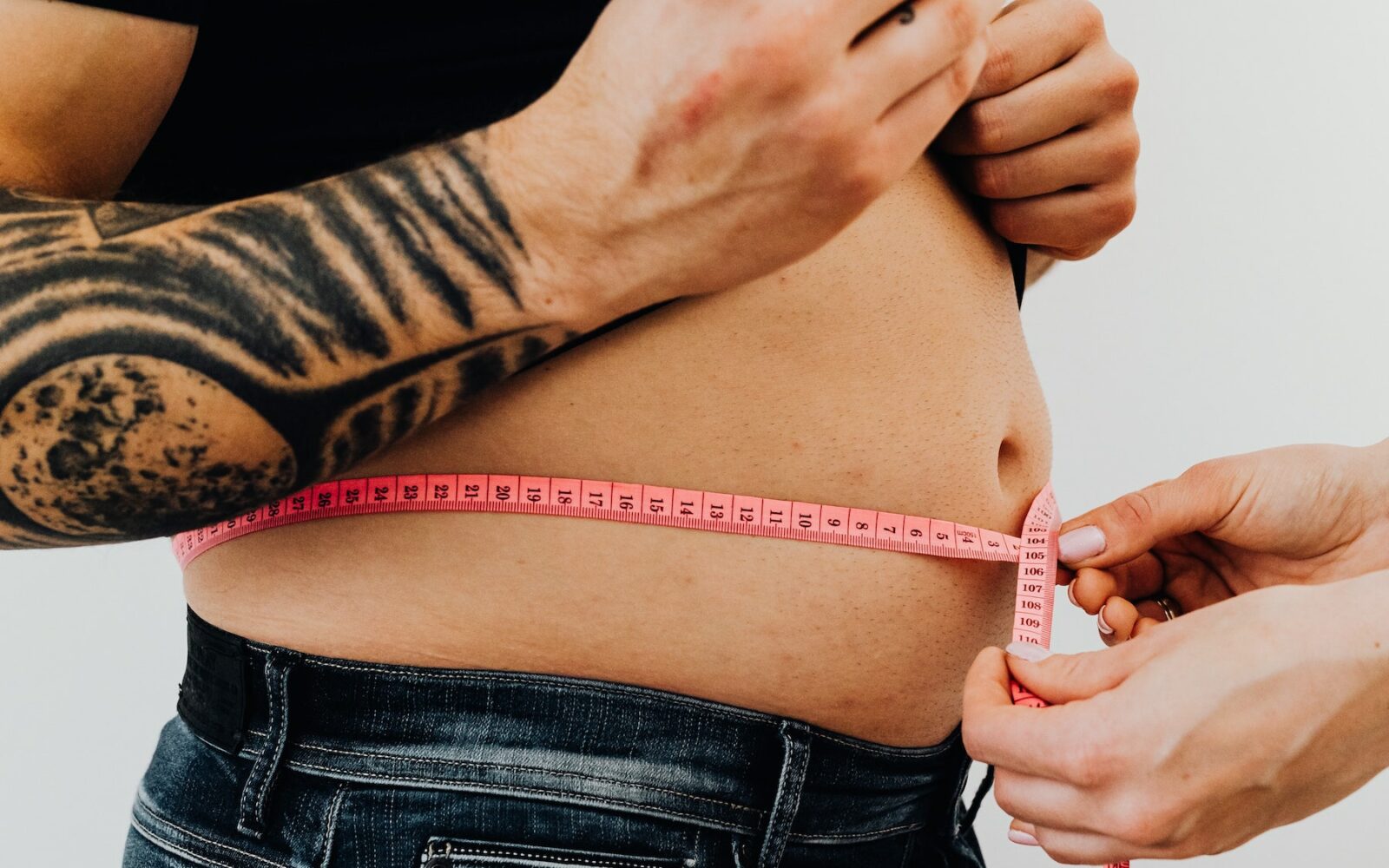
The ongoing struggle against excess body weight, once often seen as a matter of mere vanity, has now emerged as a potent means to decrease the risk of mortality due to various causes, particularly heart attacks. Recent research even suggests that abdominal obesity, referred to clinically as central obesity, gauged by the hip-to-waist ratio, might carry more significance than blood lipids (commonly known as “cholesterol”) and even active smoking in gauging heart attack risk.
With this perspective in mind, the following half-dozen “dietary recommendations” assume an even more significant role in maintaining overall health.
Utilizing Coconut Oil for Fat Reduction
Coconut Oil – Currently, there are two human clinical studies indicating that including coconut oil in your diet can effectively and safely reduce fat around the midsection for both men and women. In the women’s study, participants ingested two tablespoons of coconut oil (30 ml) each day for 12 weeks, resulting in reduced waist circumference and elevated levels of beneficial HDL cholesterol. Similarly, obese men in another study consumed two tablespoons of coconut oil daily in divided doses before meals for a month, leading to an average reduction of over an inch (2.86 cm) in waist circumference without any detrimental changes in blood lipids.
Harnessing the Benefits of Green Tea
Green Tea – Often referred to as “the medicine turned beverage,” green tea is associated with potential benefits in more than 200 health conditions, with obesity being a key area of interest. A study in 2009 published in the journal Obesity found that consuming green tea rich in catechins was safe and effective in reducing weight, including a decrease of over two inches in waist circumference, for moderately overweight subjects.
Sunlight’s Role in Fat Metabolism
Sunlight – A 2011 study in The Journal of Investigative Dermatology uncovered an intriguing metabolic phenomenon: exposure of the skin to UV light increased metabolism of subcutaneous fat. Although subcutaneous fat is not considered a cardiovascular risk factor, deficiency in vitamin D, a well-known byproduct of sunlight, is associated with greater visceral fat. Furthermore, research has established a link between vitamin D deficiency and obesity, emphasizing the importance of UVB radiation exposure for producing vitamin D and potentially aiding in midsection fat reduction.
Exploring Soy Protein’s Effects
Soy Protein – Despite being the subject of both criticism and support, soy’s medicinal potential in addressing subcutaneous and total abdominal fat in postmenopausal women is noteworthy due to its hormone-modulating properties. Misconceptions about soy’s link to breast cancer risk are contradicted by several studies indicating protective effects. The complexity of soy’s effects underscores the need for a comprehensive understanding of the research before dismissing its potential health benefits.
Identifying Dietary Culprits
Dietary Factors – Amid numerous chemicals potentially contributing to midsection weight gain, three main substances have emerged as problematic: industrially produced fructose, bisphenol A, and MSG. Studies related to these substances are available on our Abdominal Obesity Research page under “Problem Substances.” Additionally, a 2011 study published in the journal Clinical Nutrition unveiled that weight cycling, commonly known as yo-yo dieting, correlates with excessive body weight and accumulation of abdominal fat.
The Role of Exercise in Fat Loss
Exercise – While the importance of exercise in midsection weight loss is widely recognized, it’s valuable to remember that it encompasses more than just dietary choices. Physical activity is key; the mantra being “use it or lose it.” High-intensity exercise has proven particularly effective in reducing overall abdominal fat, subcutaneous fat, and visceral fat in individuals with metabolic syndrome. Research also suggests that green tea catechin consumption and soluble fiber intake can enhance exercise-induced abdominal fat loss.