
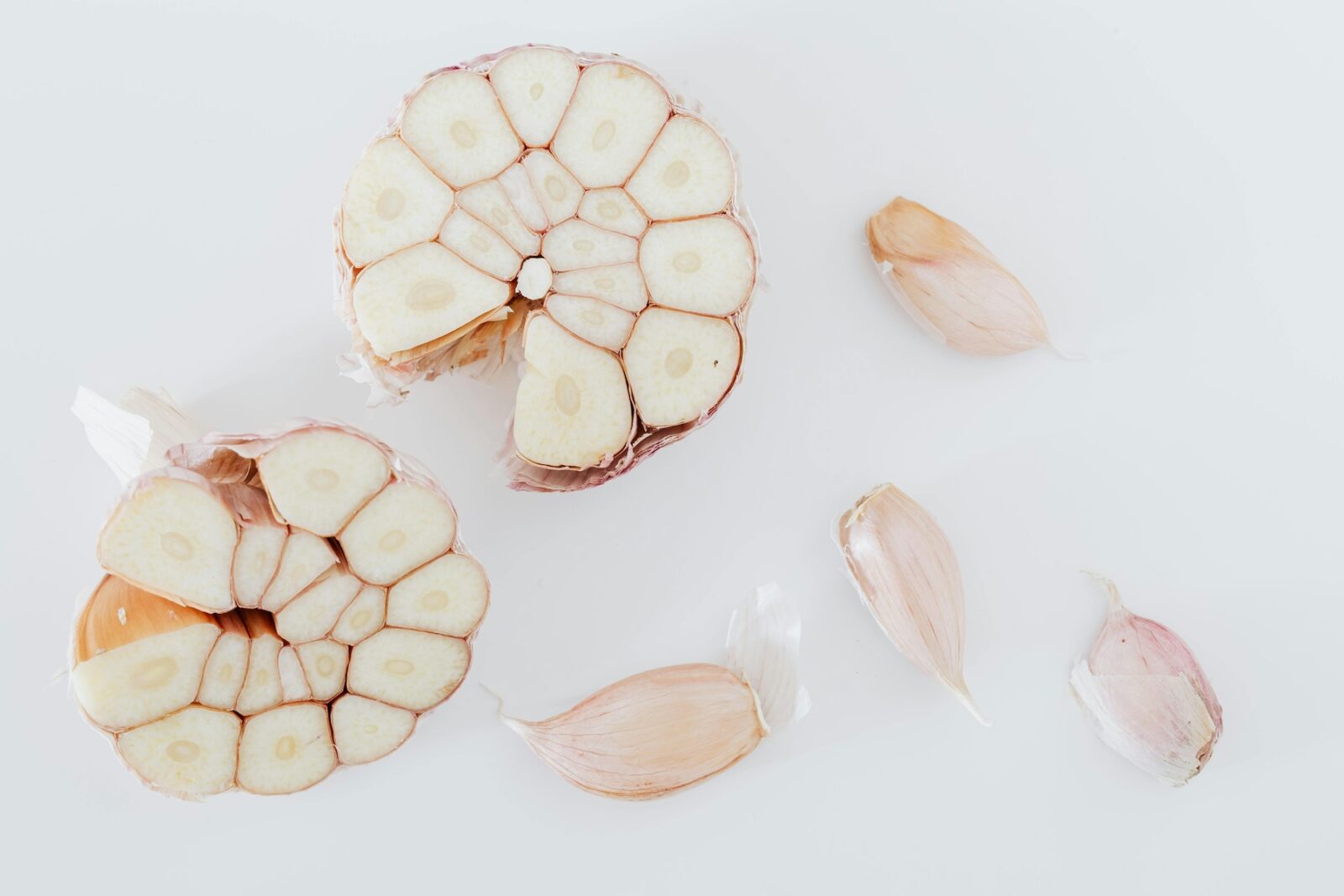
Historical Usage Across Cultures
Garlic, a staple in the diets and medical practices of ancient civilizations such as Egypt, Greece, China, India, and Rome, has been documented in historical medical texts. Hippocrates, often considered the pioneer of medicine, recommended garlic for a variety of conditions including abdominal and pulmonary issues, and as a detoxifying agent.
Garlic in Early Athletic and Labor Endeavors
In ancient Greece, garlic was consumed by the first Olympic athletes as one of the earliest known performance enhancers. It was also provided to laborers to boost their strength. Despite its common categorization as an herb or spice, garlic is technically a vegetable, a member of the lily family.
Research-Backed Health Benefits
Contemporary research acknowledges garlic as a powerhouse of health benefits. It is lauded for its antimicrobial, anticancer, and anti-inflammatory qualities. These make it a valuable addition to a regular diet.
Top 9 Health Benefits of Garlic
- Antioxidant Powerhouse: Garlic acts as a robust antioxidant, combatting reactive oxygen species (ROS) in the body. Studies have shown its effectiveness in reducing endothelial dysfunction and enhancing antioxidant activities, especially in individuals with diabetes and obesity.
- Inflammation Reduction: Notable for its anti-inflammatory properties, garlic, particularly in its aged form, modulates cytokine production. This is crucial in immune response and inflammation management. Garlic has also shown potential in reducing inflammatory markers in individuals with severe kidney disease.
- Cancer Risk Mitigation: Garlic possesses various anticancer properties, including the ability to reduce cell proliferation and tumor growth. It has been linked to a reduced risk of colorectal cancer, with organosulfur compounds playing a significant role in inhibiting DNA adducts and inducing apoptosis in cancer cells.
- Antifungal and Antibacterial Properties: Garlic effectively inhibits the growth of several fungal and bacterial strains, including Staphylococcus, Streptococcus, and Helicobacter pylori, due to its potent antifungal and antibacterial characteristics.
- Heart Health Protection: Garlic’s therapeutic properties synergistically support heart health, protecting against heart-related events like heart attacks. Studies have shown its ability to prevent atherosclerosis and improve microcirculation.
- Blood Pressure Regulation: Garlic, especially in its aged black form, has been found to significantly lower blood pressure levels. This is attributed to its rich antioxidant content and potential regulatory effects on blood pressure mechanisms.
- Metabolic Syndrome Risk Reduction: Regular consumption of garlic, particularly in its raw, crushed form, has been linked to a decreased risk of metabolic syndrome, a cluster of conditions increasing the risk of heart disease, stroke, and diabetes.
- Antidiabetic Effects: Garlic’s antioxidant and anti-inflammatory properties contribute to its antidiabetic effects. It helps in regulating lipid profile and glucose levels in individuals with Type 2 diabetes.
- Bone, Skin, and Other Benefits: Garlic may also contribute to bone health, skin health, and the prevention of various conditions such as urinary tract infections, septicemia, and nonalcoholic fatty liver disease.
Future Prospects: Enhancing Garlic Potency
Recent discoveries in the biosynthesis of allicin, the compound responsible for garlic’s distinct aroma and flavor, may lead to the development of garlic strains with varying intensities of flavor, potentially impacting both culinary appeal and health benefits. This advancement opens doors to genetically engineer garlic for enhanced potency and flavor.
How to Roast Garlic
Ingredients:
- 1 or more whole heads of garlic
- Olive oil
- Salt (optional)
Instructions:
- Preheat Oven: Set your oven to 400°F (205°C).
- Prepare the Garlic: Remove the outer layers of the garlic skin, leaving the skins of the individual cloves intact. Cut about 1/4 to 1/2 inch off the top of the cloves, exposing the individual cloves of garlic.
- Drizzle with Oil: Place the garlic heads in a baking dish or on a piece of aluminum foil. Drizzle a couple of teaspoons of olive oil over each head, ensuring the oil drips down into the cloves. Sprinkle with a pinch of salt if desired.
- Wrap and Roast: Cover the garlic with another piece of aluminum foil or a lid if using a baking dish. Roast in the oven for 35-45 minutes, or until the cloves feel soft when pressed.
- Cool and Use: Allow the garlic to cool enough so you can touch it without burning yourself. Use a small knife or fork to pull or squeeze the roasted cloves out of their skins.
Roasted Garlic Hummus
Ingredients:
- 1 can (15 oz) chickpeas, drained and rinsed
- 1/4 cup fresh lemon juice (1 large lemon)
- 1/4 cup well-stirred tahini
- 1 roasted garlic head
- 2 tablespoons extra-virgin olive oil, plus more for serving
- 1/2 teaspoon ground cumin
- Salt to taste
- 2 to 3 tablespoons water
- Dash of ground paprika, for serving
Instructions:
- Combine Tahini and Lemon Juice: In a food processor, blend the tahini and lemon juice for about 1 minute. Scrape the sides and blend for another 30 seconds. This extra time helps whip the tahini, making the hummus smooth and creamy.
- Add Ingredients: Add the olive oil, roasted garlic, cumin, and a 1/2 teaspoon of salt to the whipped tahini and lemon juice. Blend for 30 seconds, scrape the sides and blend for another 30 seconds.
- Process Chickpeas: Add half of the chickpeas to the food processor and blend for 1 minute. Scrape sides and add remaining chickpeas. Blend until thick and smooth; 1 to 2 minutes more.
- Adjust to Taste: If your hummus is too thick or hasn’t blended smoothly, add 2 to 3 tablespoons of water until the desired consistency is reached.
- Serve: Transfer the hummus to a bowl, drizzle with olive oil, and sprinkle with paprika before serving.
Mashed Cauliflower with Roasted Garlic
Ingredients:
- 1 large head cauliflower, cut into florets
- 1 head of roasted garlic
- 2 tablespoons olive oil or butter
- 1/4 cup grated Parmesan cheese (optional)
- Salt and pepper to taste
- Fresh chopped herbs for garnish (optional, e.g., chives or parsley)
Instructions:
- Steam Cauliflower: Bring a pot of water to a boil. Place the cauliflower florets in a steamer basket and steam for about 10-12 minutes or until very tender.
- Mash Cauliflower: Transfer the steamed cauliflower to a food processor. Add the cloves of roasted garlic, olive oil or butter, Parmesan (if using), and salt and pepper.
- Blend Until Smooth: Blend until the mixture is smooth and creamy. You may need to scrape the sides a few times for an even consistency.
- Adjust Seasoning: Taste and adjust the seasoning as needed.
- Serve: Garnish with fresh herbs, if desired, and serve warm as a side dish.
Enjoy these recipes! They’re a great way to incorporate the health benefits and delicious flavor of roasted garlic into your meals.