
It’s cold and flu season, and headlines are filled with stories about RSV or respiratory syncytial virus. How do you stay healthy in the face of this viral onslaught? Let’s take a look at 5 natural supports that act as natural antivirals to help maintain your overall health.
Nature has provided us with an array of powerful virus fighters that can boost overall immunity and help protect against viral infections. All of them are easy to find, easy on the budget, and have very little risk of adverse side effects. That makes them the first line of defense against the common cold and flu without a doctor’s prescription.
1. Zinc
Zinc is for a healthy immune system. Since immune system functioning declines with age, some adults may benefit from a supplement, and it may also become more critical during times of seasonal illness and stress, which can lower your immune function.
Studies show that short-term oral supplementation with zinc safely and efficiently induces the stress response in healthy white blood cells from elderly participants. The stress response may be the pathway connecting zinc deficiency with aging and the natural degeneration of the immune system over time. Proper dietary zinc intake may protect neurons from stress.
Zinc supplementation has also been shown to improve symptoms of depression. Zinc lozenges are a popular way to boost intake of this vital nutrient and have been shown to be very effective at eliminating common cold viruses 3 times faster than in those not taking zinc.
2. Vitamin C
Vitamin C is clinically proven to both prevent and treat the common cold.
An upper respiratory tract infection (URTI), aka a cold, can be caused by a variety of viruses, including rhinovirus, coronavirus, adenovirus, influenza, parainfluenza virus, and others. A small percentage of colds are due to bacteria. Colds are often diagnosed without the benefit of blood tests, but rather by symptoms such as coughing, sneezing, sore throat, runny nose, sinus congestion, and so on.
There are hundreds of scientific studies confirming the benefits of vitamin C supplementation. In a meta-analysis, researchers found a statistically highly significant reduction in common cold incidence in groups supplemented with vitamin C as compared with a placebo.
A more recent meta-analysis found that an extra therapeutic dose of vitamin C taken at the onset of a cold shortened the length of the cold by 56% and significantly relieved symptoms, including chest pain, fever, and chills. These benefits were observed in individuals already taking routine vitamin C supplements
3. Echinacea
Echinacea has significant scientific evidence to support its widespread use to alleviate and prevent colds.
In May 2016, a meta-analysis concluded that there is a considerable amount of evidence showing the effectiveness of echinacea products in the prevention and treatment of respiratory tract infections.
Another meta-analysis concluded that “echinacea potently lowers the risk of recurrent respiratory infections and complications thereof,” citing echinacea’s immune-modulatory, antiviral and anti-inflammatory effects might contribute to these observed clinical benefits.
Another study showed that the likelihood of experiencing a clinical cold was 55% higher with a placebo than with echinacea,” prompting the conclusion that echinacea is effective in the prevention of symptoms of the rhinovirus-induced common cold
4. Garlic
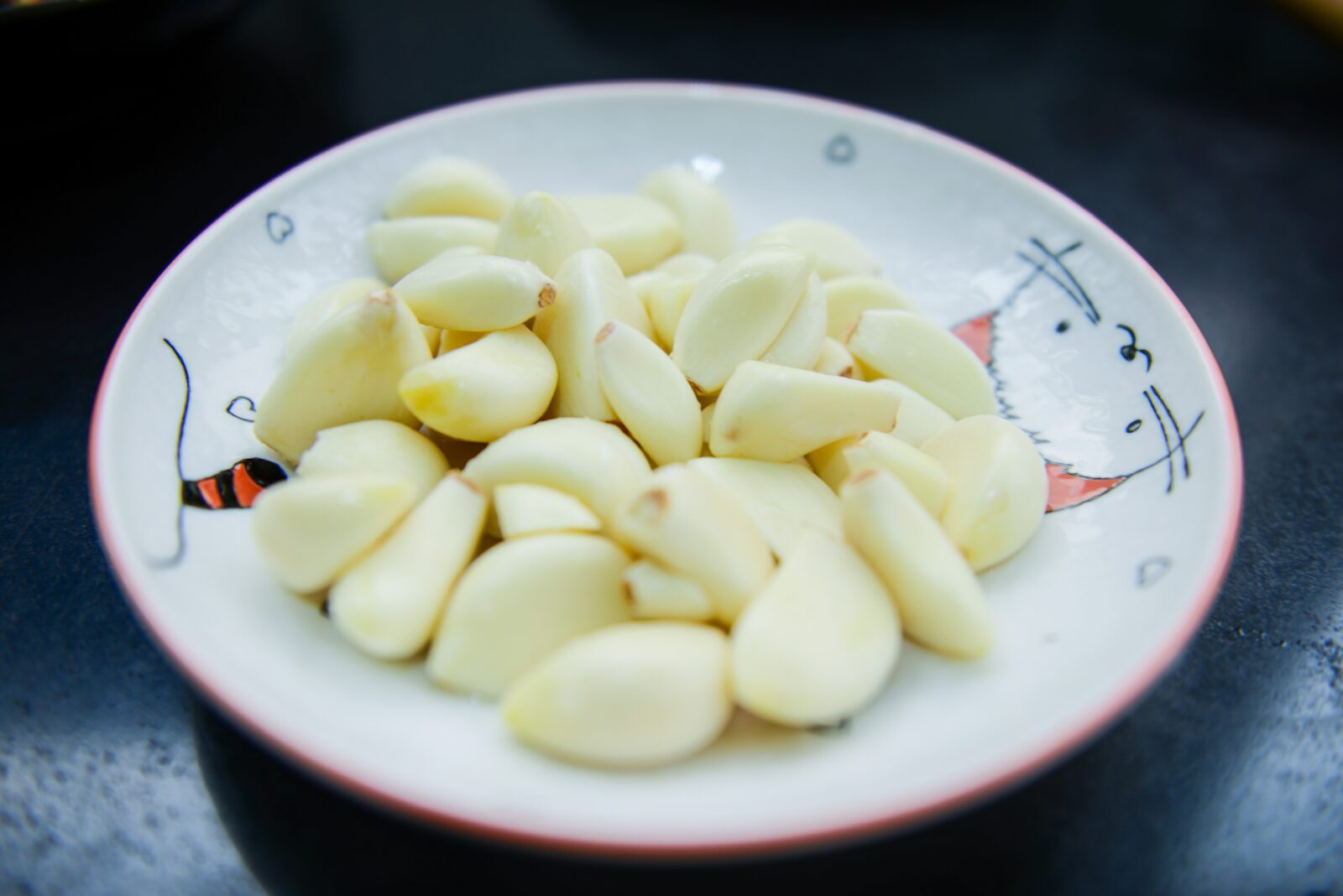
Garlic has long been accepted as one of the top food medicines that could possibly save your life. With the increasing prevalence of drug-resistant bacteria and the failure of drug-based treatments to stop the spread of common virus strains, building your inherent resilience to pathogens could be literal life insurance against some of the more serious viral infections.
Garlic has several hundred therapeutic properties, confirmed by a growing body of scientific research. Some of these beneficial actions include inhibiting pathogens such as the parainfluenza virus, haemophilus influenzae, several strains of streptococcus, and pneumococcal infections.
Incorporating more garlic into your daily cooking can help tremendously.
5. Licorice (glycyrrhizin)
Licorice has a long, ancient tradition of use as an herbal medicine by many cultures around the world. Licorice supplements may be labeled under their botanical name, Glycyrrhiza glabra, or the name of the active compound that gives licorice its characteristic sweetness, glycyrrhizin.
Licorice has been used for such issues as reducing inflammation, especially in the stomach, reducing symptoms of coughs and bronchitis, lowering cholesterol and triglyceride levels, and even protecting against microbial or viral infections. The early clinical evidence is impressive, which may mean that licorice is one of the best defenses against colds and flu.
Studies on both SARS and MERS-type coronavirus have demonstrated that licorice extract breaks down the integrity of the viral envelope while also boosting the host’s immune activity. Glycyrrhizin is a concentrated extract from licorice and is generally recognized as safe. It comes in powder, pill, or liquid. If you have hypertension, metabolic alkalosis, or low mineral levels, check with your doctor first.